It sounds too good to be true: thousands of movies and TV shows, no subscription, no credit card, no catch. So why is Tubi free when Netflix, Hulu, and Disney+ all charge every month? The answer is simple — but understanding it helps you get more out of every free streaming service, from Tubi to Pluto TV to YouTube’s free movie section. Let us break down exactly how Tubi makes money, who owns it, and whether it is safe to use.
The Short Answer: Advertising Pays Your Bill
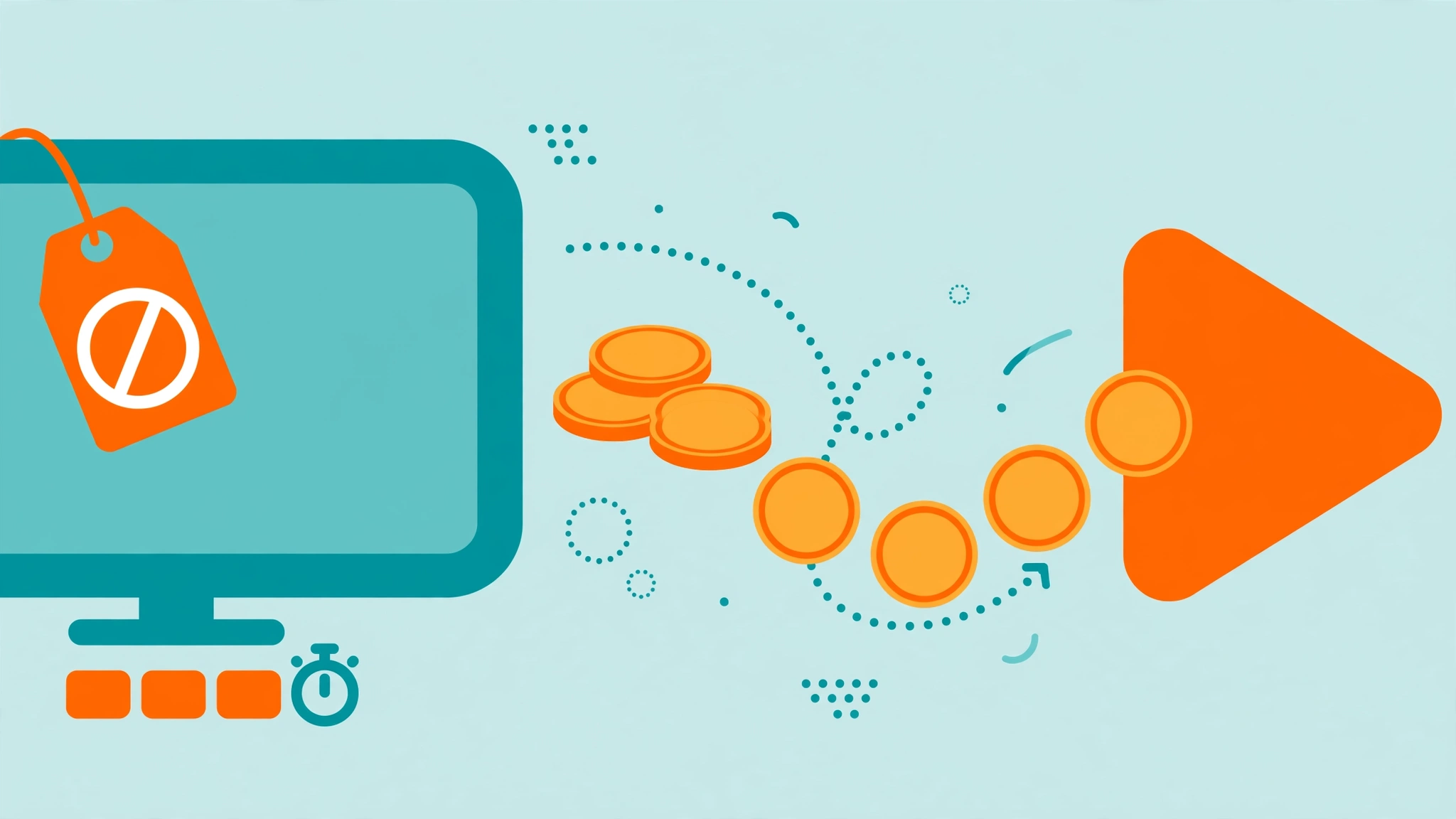
Tubi is free because advertisers pay for your attention instead of you paying with your wallet. This is the same model that has funded broadcast television for nearly a century. When you watch a movie on Tubi, you will see short commercial breaks — typically a few minutes of ads per hour. Brands pay Tubi to show those commercials, and that revenue covers the cost of licensing content and running the service.
This model even has an industry name: FAST, which stands for Free Ad-Supported Streaming TV. Tubi is one of the biggest FAST platforms in the world, alongside Pluto TV, The Roku Channel, and Freevee. The trade is straightforward: you get free entertainment, advertisers get your eyeballs, and Tubi takes a cut in the middle.
Who Owns Tubi?
Tubi is owned by Fox Corporation, which acquired it in 2020. That matters for two reasons. First, it means Tubi is backed by a major media company with deep pockets and real studio relationships — this is not a fly-by-night operation. Second, Fox’s ownership gives Tubi access to a large content library and the leverage to strike licensing deals with other major studios.
Content on Tubi comes from studios including Paramount, Lionsgate, and MGM, which license their films and shows to the platform. These are legitimate, legal licensing agreements — the same kind of deals that put movies on Netflix, just structured for an ad-supported audience instead of subscribers.
How the Math Works: Why Free Can Be Profitable
You might wonder how a few ads can possibly cover the cost of streaming thousands of titles. The economics work because of scale and cost structure:
- Massive audience: Tubi has tens of millions of monthly active users, so even modest ad revenue per viewer adds up enormously
- Cheaper content: licensed library content (older movies and shows) costs far less than producing originals like Netflix does
- Targeted ads: digital advertising can be targeted by demographics and interests, which commands higher rates than old broadcast TV spots
- No subscription friction: being free removes the biggest barrier to growth, so the audience — and ad inventory — keeps expanding
Clark.com’s in-depth Tubi TV review tested the service hands-on and found the ad experience surprisingly reasonable — roughly five short commercial breaks during a two-hour movie, which most viewers find perfectly tolerable for free content.
What Do the Ads Look Like in Practice?
Honest expectations: you will see ads, but they are far less intrusive than many people fear.
- Frequency: typically 4–6 short breaks in a two-hour movie
- Length: each break usually runs 60–90 seconds
- Placement: ads are inserted at natural-feeling intervals, though unlike some services, Tubi does not always mark upcoming breaks on the progress bar
- Relevance: you will see mainstream brand commercials — the same kinds of ads that run on regular TV
One nice touch: Tubi does not require an account at all. You can simply open the app or website and start watching. Creating a free account unlocks extras like a watchlist and resume-across-devices, but the core experience works with zero signup.
Is Tubi Safe and Legal?
Yes. This is one of the most common questions, and the answer is reassuring:
- 100% legal: all content is licensed from studios through legitimate agreements
- Safe to use: no pirated streams, no shady pop-ups, no malware risks like illegal streaming sites carry
- Reputable owner: Fox Corporation is a publicly traded major media company
- Available in official app stores: you can download it from Apple, Google, Roku, Fire TV, and every major platform — a strong trust signal
The contrast with illegal free streaming sites could not be sharper. Pirate sites fund themselves with malicious ads, fake download buttons, and data harvesting. Tubi funds itself with plain, honest commercials from real brands.
Why Doesn’t Tubi Have the Newest Movies?
Every model has trade-offs, and this is Tubi’s. Because Tubi does not charge subscriptions, it cannot outbid Netflix or Max for brand-new blockbusters. Its catalog leans toward:
- Library films from the past few decades (including plenty of recognizable hits)
- Classic TV series and reality shows
- A growing slate of “Tubi Originals” — lower-budget films made exclusively for the platform
- Live FAST channels for news, sports highlights, and entertainment
The catalog rotates regularly, so titles come and go. The upside: with thousands of titles available at any time, there is always something worth watching — especially if you enjoy discovering older films you missed.
Tubi vs. Paid Streaming: An Honest Comparison
| Tubi | Netflix / Hulu | |
|---|---|---|
| Monthly cost | $0 | $7–$23+ |
| Ads | Yes, a few per hour | Depends on plan |
| Newest releases | Rare | Common |
| Account required | No | Yes |
| Originals | Growing, modest budgets | Huge budgets |
| Devices | All major platforms | All major platforms |
Tubi is not trying to replace Netflix — it is trying to be the service you open when you want to watch something good without paying. For many households, the smartest setup is one paid service plus several free ones like Tubi. Speaking of free options, YouTube also runs a licensed free movie tier — see our guide to the best free movies on YouTube for how to find them.
The Bigger Picture: Why Free Streaming Is Booming
Tubi’s success is part of a larger shift. As paid subscriptions pile up — the average household now juggles several — viewers are hitting “subscription fatigue.” FAST services solve this by offering real entertainment libraries at the unbeatable price of zero. Advertisers, meanwhile, are following audiences away from traditional TV toward streaming, pouring money into platforms like Tubi.
The result is a virtuous cycle: more viewers attract more advertisers, more ad revenue funds better content, and better content attracts more viewers. That is why free streaming keeps getting better every year — and why Tubi can afford to stay free indefinitely.
Frequently Asked Questions
Why is Tubi free?
Tubi is free because it is ad-supported. Instead of charging viewers a subscription, Tubi shows commercial breaks during content and earns revenue from advertisers. It is owned by Fox Corporation.
Is Tubi legal and safe to use?
Yes. Tubi licenses all of its content legally from studios, is owned by Fox Corporation, and is available in every major official app store. It is completely safe — unlike illegal streaming sites.
Do I need to create an account to watch Tubi?
No. You can watch everything on Tubi without signing up. A free optional account adds features like a watchlist and cross-device resume.
Why does Tubi not have new movies?
New releases command high licensing fees that ad revenue alone cannot always cover. Tubi focuses on licensed library content, classics, and its own originals, which keeps the service sustainably free.
How many ads does Tubi show?
Expect roughly 4–6 short ad breaks (60–90 seconds each) during a two-hour movie — noticeably lighter than traditional broadcast TV.
Who owns Tubi?
Fox Corporation has owned Tubi since 2020, giving it major-studio backing and legitimate content licensing relationships.
So the next time someone asks why Tubi is free, you have the answer: advertisers foot the bill, Fox provides the muscle, and you get thousands of hours of entertainment for the price of a few commercial breaks. In an era of endless subscription fees, that is a deal worth taking.
About the Author