When a vehicle reaches the end of its useful life, many of its components can begin a second journey. Steel body panels may return to manufacturing, fluids can be recovered safely, and reusable parts may be sold for repairs. One of the most valuable components, however, is often hidden beneath the vehicle: the catalytic converter.
Rather than being treated as ordinary scrap, this compact emissions-control device requires specialist handling. It contains recoverable precious metals, but extracting them accurately and responsibly involves several carefully controlled stages. Understanding that process can help vehicle dismantlers, garages, fleet operators and individual sellers make better decisions, meet their environmental obligations and receive a fair return.
Why Is the Converter So Important?
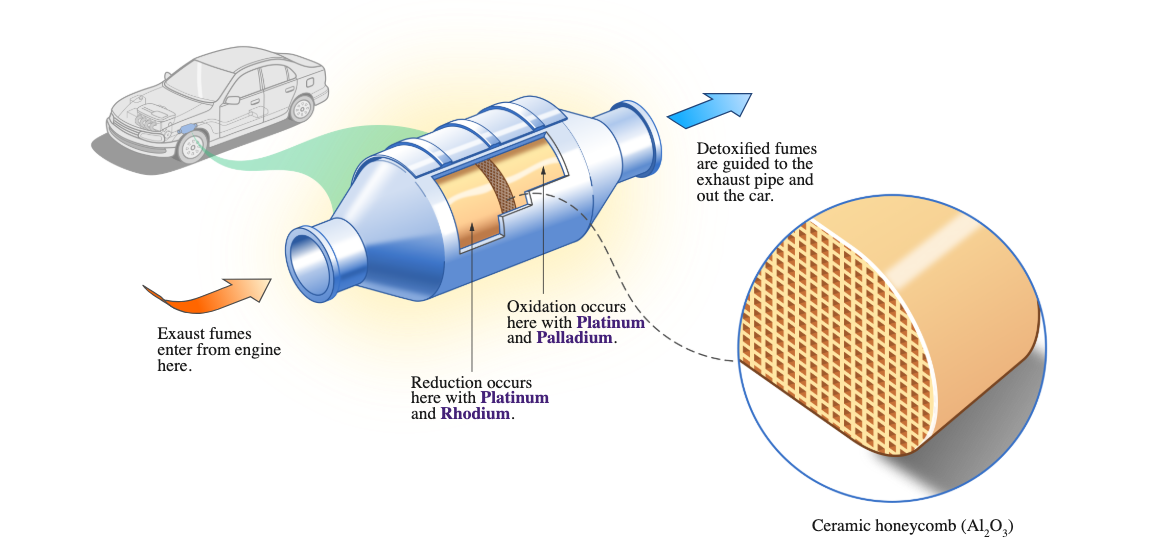
For anyone asking what is a catalytic converter, it is an exhaust-system component designed to reduce harmful vehicle emissions. Inside its metal casing is usually a ceramic or metallic structure coated with platinum-group metals, primarily platinum, palladium and rhodium. These metals act as catalysts, helping convert pollutants such as carbon monoxide, hydrocarbons and nitrogen oxides into less harmful gases.
The converter does not create the chemical reaction by being consumed in the same way as fuel. Nevertheless, heat, contamination, physical damage and long-term use can reduce its effectiveness. Once the vehicle is dismantled, the unit still contains metal-bearing material that may have considerable recycling value.
Recovering platinum-group metals also has a wider environmental benefit. Primary mining can be energy-intensive and geographically concentrated. Recycling existing material helps preserve finite resources, supports a circular supply chain and reduces dependence on newly extracted metals.
Stage One: Responsible Removal and Identification
At an authorised treatment facility or professional dismantling site, the converter is removed from the exhaust system using appropriate tools. Safe removal matters because careless cutting can damage the internal substrate, create dust or make the unit harder to identify.
Identification is more important than appearance alone might suggest. Two units of a similar size can contain very different quantities of recoverable metals. Their values may vary according to manufacturer, vehicle model, part number, substrate type and prevailing commodity prices.
Specialist recyclers such as Blancomet use converter databases, part photographs and identifying codes to assess individual units. This provides a more consistent basis for pricing than simply valuing every converter by weight. Sellers can improve the process by keeping identifying marks visible, avoiding unnecessary damage and separating converters from ordinary ferrous scrap.
Provenance and Documentation Matter
Because converter theft has become a significant concern, reputable recycling depends on traceability. Professional operators may request supplier identification, business details, proof of ownership or information about the source of the material. Waste Consignment Notes and transaction records also help establish an auditable chain of custody.
These checks protect legitimate sellers as well as recyclers. A slightly higher informal cash offer may appear attractive, but poor documentation can create legal, financial and reputational risks. Transparent bank payments and complete paperwork are signs of a responsible transaction.
Stage Two: Choosing the Right Commercial Route
Not every seller needs the same recycling arrangement. A garage with one failed unit has different requirements from a vehicle dismantler generating hundreds of converters each month. The two common commercial models are spot purchase and toll refining.
- Spot purchase: The recycler identifies and values an individual unit or smaller batch, usually using current market data and a converter database. Once the price is agreed, payment can be made promptly.
- Toll refining: Larger or regular batches are processed and sampled, with settlement based on laboratory analysis of the recovered material. This model can provide detailed accountability for high-volume suppliers.
The best option depends on volume, material consistency, cash-flow needs and the level of analysis required. Before selling, ask how the price is calculated, whether market movements are reflected and which deductions or processing charges may apply. A reputable recycler should be able to explain the settlement method clearly.
Stage Three: Decanning and Material Preparation
After intake and verification, the outer steel shell is opened in a process known as decanning. This separates the casing from the internal ceramic or metallic monolith. Diesel particulate filters and different converter designs may require their own processing methods.
The extracted material is then milled into a fine, consistent powder. This stage is essential because precious metals are not always distributed evenly throughout an individual unit or mixed batch. Milling and homogenisation create a representative material from which accurate samples can be taken.
Specialist equipment, controlled working areas and dust-management systems are important here. Converter material should not be broken open casually in a garage or yard. Besides losing valuable dust, uncontained processing can expose workers to hazardous particles and make reliable valuation almost impossible.
Stage Four: Sampling, Assay and Valuation
A small sample can only represent a batch accurately after the material has been properly homogenised. The sample is prepared and analysed to determine its platinum, palladium and rhodium content. Techniques such as inductively coupled plasma optical emission spectrometry, commonly known as ICP-OES, can support precise measurement.
The analytical result is then combined with factors such as batch weight, payable recovery terms and current precious-metal prices. This explains why professional settlement is more complex than weighing the complete steel unit. The majority of its weight is not precious metal, and commodity markets can change significantly over time.
Blancomet combines technical processing with transparent valuation, offering routes for one-off sellers as well as regular industrial partners. Its approach includes decanning, milling, homogenisation, sampling, assay and compliant documentation. For suppliers, having these stages managed within a clear process can reduce uncertainty and make payments easier to verify.
Stage Five: Refining and Return to Manufacturing
Following analysis, the prepared material moves through refining, where the platinum-group metals are separated from the remaining substrate. The recovered metals can then be purified to the standards required by manufacturers.
They may return to automotive emissions systems, but their potential uses extend further. Platinum-group metals are also used in chemical processing, electronics, laboratory equipment, glass production and emerging clean-energy technologies. A component removed from an old vehicle can therefore become feedstock for several high-value industries.
The steel casing is recyclable too, provided it has been properly separated and graded. This means that both the shell and its metal-bearing interior can be redirected away from disposal and into productive use.
How Sellers Can Protect Value and Stay Compliant
A few practical steps can make end-of-life converter recycling safer, faster and more profitable:
- Work only with a recycler that provides clear documentation and traceable payment.
- Keep part numbers and identifying marks intact whenever possible.
- Do not open, crush or clean the internal substrate yourself.
- Store units securely and maintain records showing where they came from.
- Separate converters by known type or source if managing larger volumes.
- Ask whether valuation is database-based or assay-based and why that method suits the batch.
- Compare complete settlement terms rather than focusing only on a headline price.
Businesses should also consider collection arrangements, storage controls and staff training. A documented procedure reduces the risk of theft, accidental damage and mixing with lower-value scrap.
A Small Component With a Valuable Second Life
An end-of-life vehicle is not simply waste; it is a collection of materials awaiting responsible recovery. Its emissions-control unit demonstrates this particularly well. Through identification, secure handling, controlled processing, laboratory analysis and refining, scarce metals can be returned to industry instead of lost.
If you handle a single unit or manage a steady commercial supply, review how your current recycling route verifies provenance, calculates value and documents the transaction. Speaking with Blancomet about the most suitable purchase or refining model is a practical next step toward safer compliance, clearer pricing and better use of valuable secondary raw materials.
About the Author