Introduction
The playmath zone is a fun and interactive way for children to learn mathematics through play. Instead of boring worksheets and stressful tests, the playmath zone turns numbers, shapes, and problem-solving into games that children enjoy. Many parents and teachers look for ways to make math less intimidating, and the playmath zone offers a practical solution that combines education and entertainment.
In this article, we will explore what the playmath zone is, why it works, how children benefit from it, and how parents and teachers can use it effectively. Whether you are looking for a learning tool for your child, a classroom resource, or a fun way to improve math skills, the playmath zone can help build confidence and a positive attitude toward mathematics.
What Is Playmath Zone?
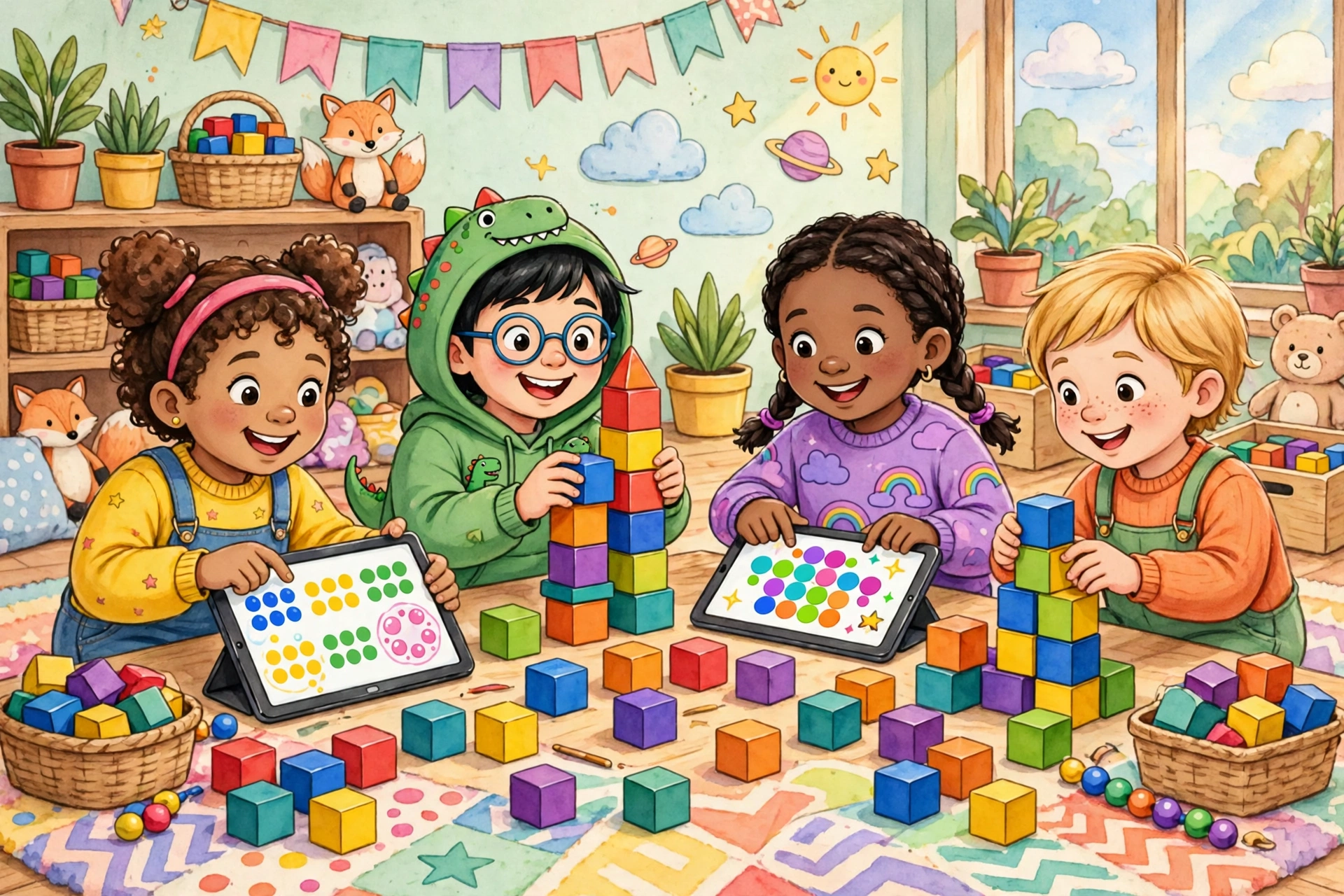
The playmath zone is a learning space, platform, or activity area designed to teach mathematics through interactive play. It can exist as a physical classroom corner, a digital learning app, a website, or a set of educational games. The main idea is simple: children learn math better when they are having fun.
In the playmath zone, children can play games that involve addition, subtraction, multiplication, division, fractions, geometry, and logic. These games are designed to challenge the mind while keeping the experience enjoyable. Instead of memorizing formulas, children discover math concepts naturally through play.
The playmath zone is not limited to one age group. Younger children can learn counting and basic numbers, while older children can practice more advanced topics such as algebra, problem-solving, and mental math. This flexibility makes it useful for homes, schools, and tutoring centers.
Why Playmath Zone Works for Children
Many children struggle with math because traditional teaching methods focus too much on memorization and repetition. The playmath zone works differently because it uses play-based learning, which has several benefits.
1. Learning Through Play Reduces Math Anxiety
Many students feel nervous when they see difficult math problems. In the playmath zone, math is presented as a game rather than a test. This reduces fear and helps children feel more relaxed while learning.
2. It Encourages Active Learning
Instead of passively listening to a teacher, children actively participate in the playmath zone. They solve puzzles, complete challenges, and make decisions. Active learning helps children remember concepts better and understand them more deeply.
3. It Builds Problem-Solving Skills
Games in the playmath zone often require logical thinking and strategy. Children learn how to approach problems step by step, try different solutions, and learn from mistakes. These problem-solving skills are useful not only in math but also in everyday life.
4. It Makes Learning Fun and Motivating
Rewards, points, levels, and challenges keep children motivated. When learning feels like a game, children want to continue playing and practicing. This motivation leads to more practice and better results over time.
Key Features of Playmath Zone
The playmath zone includes several features that make it an effective learning tool.
Interactive Math Games
The most important feature of the playmath zone is its collection of interactive games. These games cover different math topics and difficulty levels. Children can choose games based on their age, grade, or skill level.
Examples include:
- Number matching games for beginners
- Addition and subtraction challenges
- Multiplication tables games
- Fraction puzzles
- Geometry shape games
- Logic and brain teasers
These games help children practice math in a fun and engaging way.
For extra practice, families can also try free online resources such as Khan Academy Math and Math Playground.
Age-Appropriate Learning Levels
The playmath zone is designed for different age groups. Preschool children can learn numbers and counting, elementary students can practice basic operations, and middle school students can work on fractions, decimals, and algebra. This makes it easy for parents and teachers to find the right level for each child.
Progress Tracking
Many playmath zone platforms allow parents and teachers to track a child’s progress. They can see which topics the child has mastered and which areas need more practice. This helps in creating a personalized learning plan.
Safe and Child-Friendly Environment
A good playmath zone is safe for children. It does not contain inappropriate content or distracting advertisements. The focus remains on learning, making it a trusted choice for parents and educators.
Benefits of Playmath Zone for Students
Using the playmath zone regularly can bring many benefits to students.
Improves Math Confidence
When children succeed in games, they feel proud of their achievements. This builds confidence and encourages them to try more difficult problems. Over time, they develop a positive attitude toward math.
Strengthens Basic Math Skills
Regular practice in the playmath zone helps children improve their calculation speed and accuracy. They become faster at addition, subtraction, multiplication, and division.
Develops Logical Thinking
Many games in the playmath zone require logical reasoning. Children learn to think critically, analyze problems, and find solutions. These skills are important for academic success and future careers.
Encourages Independent Learning
The playmath zone allows children to learn at their own pace. They can repeat games, explore new challenges, and learn without pressure. This independence helps them become more responsible learners.
Supports Classroom Learning
The playmath zone can be used as a supplement to school lessons. Teachers can use it to reinforce concepts taught in class, while parents can use it for extra practice at home. You can also explore our mathplayzone guide for more fun math activities.
How Teachers Can Use Playmath Zone in the Classroom
Teachers can integrate the playmath zone into their lessons in many ways.
As a Warm-Up Activity
Teachers can start the class with a short game from the playmath zone. This helps students get focused and excited about learning.
For Group Activities
Students can work in small groups to solve math challenges in the playmath zone. This encourages teamwork and communication.
For Revision and Practice
After teaching a new topic, teachers can use the playmath zone for revision. Students can practice what they learned in a fun way instead of doing traditional homework.
For Reward and Motivation
Teachers can use the playmath zone as a reward for good behavior or completed work. This motivates students to stay engaged and perform well.
How Parents Can Use Playmath Zone at Home
Parents also play an important role in their child’s math learning. The playmath zone can be a helpful tool at home.
Set a Daily Play Time
Parents can set aside 15 to 30 minutes daily for playmath zone activities. Regular practice is more effective than long, irregular sessions.
Play Together
Parents can play math games with their children. This not only helps children learn but also strengthens the parent-child bond.
Encourage, Don’t Pressure
Parents should encourage their children to enjoy the games without putting pressure on them to win or score high. The goal is learning, not competition.
Track Progress Together
Parents can review their child’s progress and celebrate improvements. Positive encouragement helps children stay motivated.
Playmath Zone for Different Age Groups
Playmath Zone for Preschoolers (Ages 3-5)
For young children, the playmath zone focuses on:
- Counting numbers
- Recognizing shapes
- Sorting objects
- Simple patterns
These activities help build a strong foundation for future math learning.
Playmath Zone for Elementary Students (Ages 6-10)
Elementary students can practice:
- Addition and subtraction
- Multiplication tables
- Basic fractions
- Measurement
- Simple word problems
Games at this level help students master essential math skills.
Playmath Zone for Middle School Students (Ages 11-14)
Older students can explore:
- Fractions and decimals
- Percentages
- Algebra basics
- Geometry
- Logical reasoning and puzzles
The playmath zone helps them prepare for more advanced math in high school.
Playmath Zone vs Traditional Math Learning
Traditional math learning often relies on textbooks, worksheets, and lectures. While these methods are useful, they can be boring for many students.
The playmath zone offers a different approach:
- Traditional Learning: Passive, repetitive, and sometimes stressful
- Playmath Zone: Active, interactive, and enjoyable
- Traditional Learning: Focuses on memorization
- Playmath Zone: Focuses on understanding through play
- Traditional Learning: Limited engagement
- Playmath Zone: High engagement and motivation
This does not mean traditional learning should be replaced completely. Instead, the playmath zone should be used as a complement to traditional methods to make learning more balanced and effective.
Tips to Get the Most Out of Playmath Zone
To maximize the benefits of the playmath zone, follow these tips:
- Choose the Right Level: Start with easy games and gradually move to harder ones.
- Practice Regularly: Short daily sessions are better than occasional long sessions.
- Mix Different Games: Try different types of games to cover various math topics.
- Encourage Mistakes: Teach children that mistakes are part of learning.
- Combine with Real Life: Use everyday situations, like shopping or cooking, to practice math concepts learned in the playmath zone.
Common Math Topics Covered in Playmath Zone
The playmath zone covers a wide range of math topics, including:
- Numbers and Counting
- Addition and Subtraction
- Multiplication and Division
- Fractions and Decimals
- Geometry and Shapes
- Measurement and Time
- Algebra and Equations
- Logic and Problem Solving
This wide coverage makes the playmath zone a complete learning solution for children of different ages and skill levels.
Why Parents and Teachers Trust Playmath Zone
Parents and teachers trust the playmath zone because it is educational, safe, and effective. It helps children learn math without fear, improves their skills, and keeps them engaged. Many educators believe that play-based learning is one of the best ways to teach young learners, and the playmath zone follows this approach.
It also saves time for teachers and parents. Instead of searching for different worksheets and activities, they can find everything in one place. The playmath zone provides a structured yet fun learning experience.
The Future of Playmath Zone
As technology continues to grow, the playmath zone is expected to become even more advanced. Future versions may include:
- Artificial intelligence-based personalized learning
- Virtual reality math games
- More interactive challenges
- Better progress tracking tools
These improvements will make math learning even more exciting and effective for children around the world.
Conclusion
The playmath zone is a powerful tool for making math fun, engaging, and easy to learn. It helps children build confidence, improve their math skills, and develop a love for learning. Whether used at home or in the classroom, the playmath zone offers a practical and enjoyable way to learn mathematics through play.
By combining games, challenges, and interactive learning, the playmath zone turns a difficult subject into an exciting adventure. Parents and teachers who want to help children succeed in math should consider using the playmath zone as part of their learning routine.
If you want your child to enjoy math and improve their skills, the playmath zone is a great place to start.
Frequently Asked Questions (FAQ)
1. What is playmath zone?
The playmath zone is a fun learning space where children learn mathematics through interactive games and activities.
2. Is playmath zone suitable for all ages?
Yes, the playmath zone offers activities for preschoolers, elementary students, and middle school students.
3. How does playmath zone help children learn math?
It makes learning fun through games, reduces math anxiety, and helps children practice math concepts in an engaging way.
4. Can teachers use playmath zone in the classroom?
Yes, teachers can use it for warm-up activities, group work, revision, and motivation.
5. Is playmath zone safe for children?
Yes, a good playmath zone provides a safe and child-friendly learning environment focused on education.
6. How much time should children spend in the playmath zone daily?
About 15 to 30 minutes of daily practice is enough for effective learning.
About the Author