How Bespoke Packaging Manchester Helps Businesses Stand Out Products
Introduction
Every product has its own characteristics, and its packaging should reflect those requirements. While standard boxes and protective materials are suitable for many everyday deliveries, they do not always provide the right solution for products with unusual dimensions, delicate components or specific presentation requirements. Businesses dealing with specialist equipment, valuable goods and customised products often need something more carefully designed. This is where bespoke packaging becomes an important part of the manufacturing and distribution process.
For companies looking for Bespoke packaging Manchester, the objective is not simply to create an attractive box. It is to develop packaging that fits the product, protects it throughout its journey and makes everyday handling more convenient. A well-planned design can also improve the way customers perceive a business, helping manufacturers and retailers deliver a more professional experience.
Why Businesses Are Moving Away from Standard Packaging
Standard packaging products offer convenience and are often readily available in different sizes. However, a general-purpose box may not be appropriate for every item. Products that are too small for their cartons can move around during transportation, while oversized packaging may require additional filler materials to prevent damage.
These problems can create unnecessary material consumption and make the packing process less efficient.
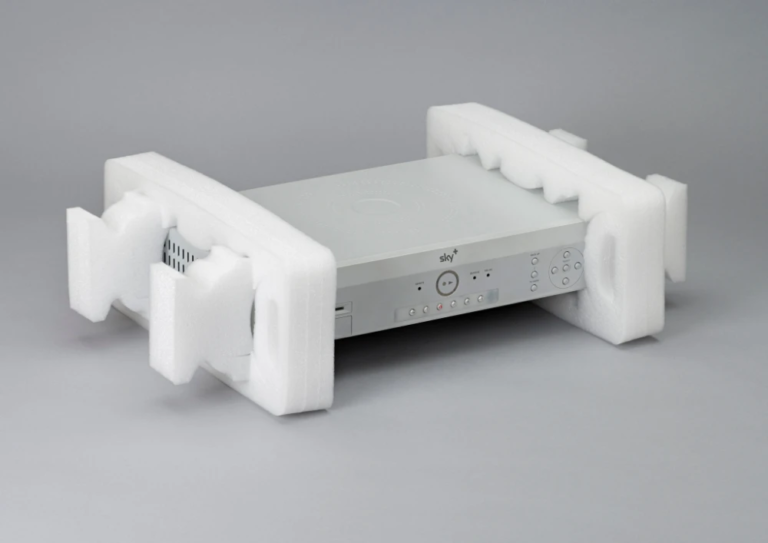
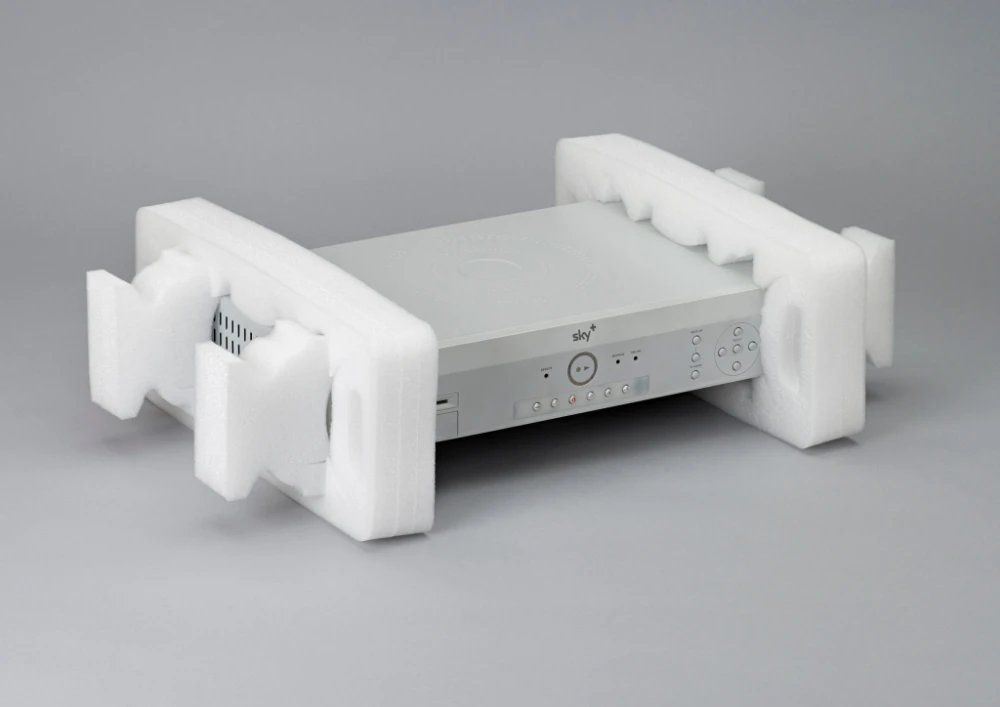
Custom packaging provides an alternative by considering the actual dimensions and characteristics of the product. Internal supports, foam inserts, dividers and outer cartons can be designed to work together rather than being selected independently.
For manufacturers, this approach can be particularly useful when handling products that have unusual shapes or require specific positioning during transportation. It also helps businesses create a consistent packing arrangement across repeated orders.
The Role of Product Dimensions in Packaging Design
One of the first considerations in any custom packaging project is understanding the product itself. Measurements should include length, width, height and, where necessary, the position of delicate or exposed components.
Weight is equally important because it influences the type of material and structural support required.
For instance, a lightweight retail product may need a compact carton with simple internal protection. A heavier engineering component could require a stronger outer box combined with specially shaped foam supports.
The design process should also account for how the product will be handled. Items transported individually may have different requirements from products packed together on pallets.
A suitable design takes these practical details into consideration before materials are selected.
Choosing the Right Materials for Custom Packaging
Different materials provide different levels of cushioning, flexibility and structural support. Selecting the correct option can make a considerable difference to packaging performance.
Polyethylene Foam for Reliable Cushioning
Polyethylene foam is a useful material for applications requiring resilient cushioning and support. It is available in different densities and can be manufactured into sheets, profiles and custom-shaped inserts.
Its structure makes it suitable for protecting products against movement and impact during storage and transportation.
Businesses handling industrial components, tools and sensitive equipment may benefit from packaging designed around polyethylene foam. The material can be selected according to the weight and protection requirements of the product.
Polyurethane for Lightweight Applications
Polyurethane foam is commonly associated with furniture and bedding, but it also has practical packaging applications.
Its flexible characteristics make it suitable for cushioning lighter products and separating multiple items within a package. Depending on the application, it can be converted into different shapes and sizes.
For businesses packaging several components together, polyurethane may provide a useful way to create individual protective sections.
Polystyrene for Specialised Packaging Requirements
Polystyrene is another material used in protective packaging. Expanded polystyrene is lightweight and can be shaped into blocks, inserts and other components.
It can be useful when products require supportive packaging that does not add excessive weight to the overall shipment.
Plastazote for Premium Presentation
Some products require protection alongside a more refined appearance. Plastazote foam is particularly useful in applications where presentation matters, such as display packaging, valuable products, specialist equipment and delicate items.
Its smooth finish and availability in different colours allow businesses to create attractive internal packaging while maintaining a protective function.
Corrugated Boxes for the Complete Package
The outer carton should complement the internal packaging. Corrugated boxes provide the external structure, while internal fitments help hold products securely in position.
Choosing both components together can improve the overall packaging arrangement and reduce the risk of gaps or unsuitable combinations.
How Custom Packaging Supports Brand Identity
Packaging is often the first physical interaction a customer has with a company. Even before examining the product, customers notice the condition, appearance and organisation of the package.
A carefully designed solution can communicate professionalism and attention to detail. This is particularly important for businesses selling premium goods, corporate gifts, specialist products or branded merchandise.
Custom packaging offers opportunities to incorporate:
- Brand colours and visual identity.
- Printed company names and logos.
- Product-specific internal arrangements.
- Carefully selected materials and finishes.
- Clear product information and handling instructions.
- A consistent appearance across different product ranges.
For example, a company distributing high-value equipment may choose fitted foam inserts to keep individual components organised. A retailer supplying premium products could use coloured foam and a tailored carton to create a more impressive presentation.
The important point is that appearance and protection should complement each other rather than compete.
The Advantages of Working with a Manchester-Based Packaging Manufacturer
Choosing a packaging partner with design and manufacturing capabilities can make the development process easier. Businesses can discuss their requirements directly and explore suitable materials before committing to a particular design.
Advanced Protective Packaging is a Manchester-based, family-run business established in 1986. The company specialises in the design, manufacture and supply of protective packaging products for businesses across the UK.
Its experience covers a range of materials, including polystyrene, polyethylene and polyurethane foams. The company also supplies Nomafoam, Plastazote, corrugated cartons and everyday packaging materials.
This variety allows businesses to consider different solutions depending on their product type and intended application.
Another practical advantage is having access to a supplier that can consider the outer carton and internal protective components together. This can simplify purchasing and reduce the time spent coordinating separate suppliers.
From Initial Ideas to a Finished Packaging Solution
Developing custom packaging involves several stages. Taking a structured approach helps ensure that the finished design meets the actual requirements of the product.
1. Discussing the Packaging Requirements
The first stage is understanding what needs to be packed. Businesses should provide information about product dimensions, weight, fragility, quantities and transportation conditions.
If an existing packaging arrangement is causing problems, explaining those issues can help identify opportunities for improvement.
2. Selecting Suitable Materials
Once the requirements are understood, suitable materials can be considered. A product may need flexible foam cushioning, rigid support, protective sheets or a combination of different components.
Material selection should consider both protection and practical handling.
3. Developing the Design
The packaging design should provide enough support to keep the product secure without making the overall package unnecessarily complicated.
Internal inserts should fit the product properly, and the outer carton should provide suitable space for the complete arrangement.
4. Reviewing Samples and Prototypes
Testing a sample before moving into larger production can help identify design issues. Businesses can examine how easily products fit inside the packaging and whether the materials provide the intended support.
Changes can then be considered before the final design is approved.
5. Manufacturing and Supply
Once the design is agreed, the packaging can be manufactured and supplied according to the project’s requirements.
For businesses with recurring orders, maintaining consistent specifications can make future packing operations easier to organise.
Reducing Packaging Waste Without Compromising Protection
Using more packaging material does not automatically mean achieving better protection. In some situations, oversized cartons and excessive filler can increase costs without improving product security.
Custom-designed packaging can help address this problem by making better use of available space.
For example, an accurately shaped foam insert may hold a product securely without requiring several additional layers of cushioning. Similarly, a correctly sized carton can reduce unnecessary empty space.
Businesses can also investigate recycled and more sustainable materials where they are appropriate for their applications.
Advanced Protective Packaging highlights material efficiency and environmentally responsible packaging choices as part of its approach. The company considers how packaging can provide the necessary protection while avoiding unnecessary material use.
The goal should always be to achieve a practical balance between product safety, environmental considerations and overall cost.
Industries That Can Benefit from Bespoke Packaging
Custom packaging is not limited to one particular sector. Different industries have different requirements, making flexible design capabilities valuable across several applications.
Manufacturing: Industrial businesses often need protective arrangements for components, tools and specialist products that cannot be packed effectively using generic materials.
Automotive: Vehicle components may have unusual shapes or delicate surfaces that require fitted protective supports.
Medical: Equipment and precision instruments can benefit from organised internal packaging that helps prevent movement during transportation.
Retail: Retailers can use customised cartons and inserts to improve product presentation and provide a more consistent customer experience.
Sports and entertainment: Specialist equipment, valuable accessories and display items may require packaging designed around their dimensions and handling needs.
Museums and collectors: Valuable objects and delicate artefacts may need carefully shaped supports and suitable storage materials.
The packaging specification will differ between applications, but the underlying objective remains the same: provide suitable protection while making handling and transportation practical.
What to Consider Before Ordering Custom Packaging
Before starting a project, businesses should prepare some basic information to help the packaging supplier understand their requirements.
Consider the following points:
- What are the exact dimensions and weight of the product?
- Does the product contain fragile, exposed or easily damaged components?
- How will the goods be stored and transported?
- Will the packaging be used for individual deliveries or bulk shipments?
- Is product presentation an important part of the customer experience?
- Are there any material or sustainability preferences?
- What quantities will be required initially and for future orders?
Providing accurate information at the beginning can help reduce unnecessary design changes and make the development process more straightforward.
Conclusion
Custom packaging is an investment in product protection, operational efficiency and brand presentation. By considering the product’s dimensions, materials, handling requirements and intended destination, businesses can develop packaging that performs better than a generic alternative.
From polyethylene and polyurethane foam to Plastazote inserts, polystyrene components and corrugated cartons, there are several materials available to address different packaging challenges.
For companies exploring Bespoke packaging solutions, working with an experienced manufacturer can make it easier to develop a practical arrangement from the initial design through to production. Advanced Protective Packaging combines its Manchester-based experience with a range of protective materials and packaging products, supporting businesses locally and throughout the UK.
Ultimately, the best packaging is one that protects what matters, makes daily operations easier and presents the product in a way that reflects the quality of the business behind it.
About the Author