Category: Repairing

  • What Happens If You Ignore That Roofing Problem? A Step-By-Step Look at the Consequences

    What Happens If You Ignore That Roofing Problem? A Step-By-Step Look at the Consequences

    The Small Leak That Grew Up to Be a Big Problem

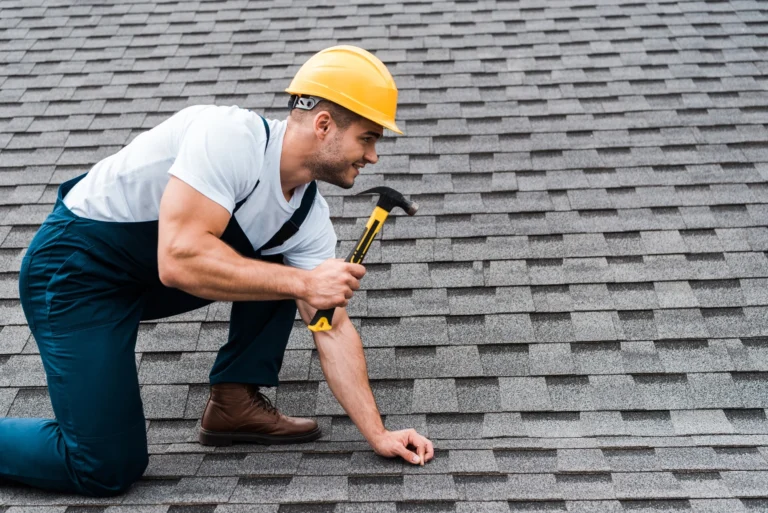
    You spot a brown stain on your ceiling. It’s small, not growing, and only appeared after the last heavy rain. You decide to keep an eye on it, maybe even Google “DIY roof leak patch.” After all, it doesn’t seem urgent—yet.

    This is how many homeowners end up with five-figure roof repair bills or full roof replacement projects they didn’t expect. A minor issue becomes major when it’s ignored, and the damage that starts at the top of the house never stays there.

    CCS Roofing often meets clients at the point where small problems have turned into large ones. To help homeowners avoid that path, here’s what really happens—step-by-step—when you delay action on your roofing issues.


    Step 1: Moisture Makes Its Way In

    That discolored spot on your ceiling? It’s moisture. Even a pinhole leak in a roof allows water to enter under shingles, through nail holes, or around flashing. If left unchecked, moisture will find the path of least resistance into insulation, ceiling drywall, or wooden beams.

    Early signs:

    • Musty smells in one room
    • Slight bubbling in paint
    • Sagging drywall
    • Damp insulation in the attic

    At this stage, a simple roof repair might be enough. But many homeowners dismiss the signs or assume a one-time issue. Unfortunately, the next storm brings more water—and more trouble.


    Step 2: Hidden Damage Spreads Quietly

    Water doesn’t stay where it lands. It moves. And when it gets beneath roofing materials, it spreads through sheathing, joists, and rafters—places you rarely see.

    The longer moisture is present:

    • Wooden supports start to soften and rot
    • Mold colonies can develop within 48 hours
    • Electrical wiring in attics becomes a safety hazard
    • The roof deck can begin to warp

    This kind of damage often remains invisible until it’s too late. When the leak finally becomes obvious, it usually means interior damage has also occurred. Now, repair costs rise dramatically—and may involve more than just your roof.


    Step 3: Energy Efficiency Goes Down the Drain

    As insulation becomes saturated, its effectiveness drops. This means your HVAC system works harder to maintain comfortable temperatures. The conditioned air you pay for escapes through the compromised roofing system, and outdoor air seeps in.

    Signs you might miss:

    • Gradual rise in energy bills
    • Uneven indoor temperatures
    • HVAC filters clogging faster than usual

    What started as a minor leak now affects your utility budget every month. It’s not just about staying dry anymore—it’s about the total health of your home.


    Step 4: Pest Problems Take Root

    Moist, dark, and undisturbed areas attract pests. Damaged roofing allows entry points for insects, birds, and rodents. Once inside, these creatures don’t just nest—they chew wires, shred insulation, and sometimes damage framing.

    Indicators:

    • Scratching noises in walls or ceilings
    • Droppings near attic access
    • Insect activity around vents or gutters

    A problem that could’ve been solved by a roofing company now requires pest control, electrical repairs, and in some cases, partial structural rebuilding.


    Step 5: Interior Damage and Mold Growth

    Eventually, gravity wins. Water begins dripping visibly, staining walls, ceilings, and even wood floors. By this point, the water’s path has likely compromised not only your roofing system but also the drywall, framing, and finishes of your interior space.

    You may notice:

    • Strong odors
    • Peeling paint
    • Mold spots on ceilings or around window frames
    • Buckled flooring

    At this stage, a standard roof repair won’t suffice. Interior renovation and mold remediation will now need to be factored into the cost, often amounting to several times the price of earlier intervention.


    Step 6: Major Structural Repairs or Full Roof Replacement

    Once the decking beneath your shingles is weakened, the roof’s structural integrity is at risk. Sagging ridgelines, warped support beams, and crumbling fascia are signs that your roof isn’t just leaking—it’s failing.

    By now, you’re facing:

    • Emergency tarp coverage or temporary patching
    • Permits for structural work
    • Possible code violations if prior DIY fixes were unsafe
    • A full roof replacement instead of simple maintenance

    Most homeowners don’t expect to replace their roof on short notice. Unfortunately, ignoring early warnings often eliminates other options.


    Step 7: Home Value and Insurance Complications

    When roof damage goes unaddressed, it can impact your homeowners insurance. Many policies exclude coverage for damage caused by neglect. If an adjuster determines the issue should have been resolved earlier, you may be responsible for the full cost.

    It also affects resale:

    • Appraisals may flag roofing issues
    • Buyers may back out or demand seller credits
    • Home inspections may uncover prior concealed water damage

    A damaged roof is a red flag in any real estate transaction. Replacing or repairing it after the fact—under pressure—usually costs more and feels rushed.


    How to Break the Cycle Before It Starts

    You don’t have to wait for visible damage to take action. Regular inspections, especially after major weather events, help detect issues before they escalate. Catching a missing shingle, a cracked flashing line, or a clogged gutter can prevent this entire chain of consequences.

    Homeowners who prioritize prevention usually spend far less on their roof over the long term. Partnering with a trusted roofing company helps ensure you’re catching problems early, not after they’ve moved inside your home.


    Conclusion

    Roofing issues are one of the few home maintenance concerns that can quietly escalate from minor inconvenience to major crisis. A small leak may not seem urgent, but as time passes, the hidden costs multiply. From energy inefficiency and mold to pests and structural decay, ignoring a roofing problem only makes things worse—and more expensive.

    The key is early action. Understanding what’s at stake empowers homeowners to make proactive decisions and prevent irreversible damage. Even if you’re unsure about the severity of an issue, it’s worth having it looked at sooner rather than later.

    CCS Roofing encourages homeowners to ask the hard questions and act on small signs before they become big repairs. A secure, dry, and durable roof doesn’t just protect your house—it protects everything beneath it.

  • Why Timely Plumbing Repairs Can Save Your Home and Budget

    Why Timely Plumbing Repairs Can Save Your Home and Budget

    In the world of home maintenance, few systems are as vital—and as vulnerable—as plumbing. Yet, many homeowners tend to postpone plumbing repairs, especially when the issues seem small or manageable. A slow-draining sink, a slightly leaky faucet, or a running toilet might be ignored for weeks or even months. Unfortunately, these seemingly minor problems often evolve into serious complications that can lead to costly repairs, structural damage, and water waste.

    Maroon Plumbing emphasizes the value of taking early action when it comes to plumbing issues. While scheduling an inspection or minor repair might not feel urgent, the consequences of waiting can be substantial. Plumbing problems rarely stay the same; they either improve through repair or worsen with neglect. That’s why understanding the risks of delay and the benefits of swift response is essential for protecting both your home and your wallet.

    This article explores how timely plumbing repair plays a critical role in maintaining the integrity of your home. From preserving infrastructure and preventing water damage to improving efficiency and avoiding emergency calls, acting early can make all the difference.

    The Hidden Costs of Delayed Plumbing Repair

    From Drip to Disaster

    What starts as a slow drip from a faucet or valve may seem harmless, but over time, even a small leak can waste hundreds of gallons of water. Beyond inflating your water bill, this consistent moisture can promote mold growth, damage cabinets, warp flooring, and deteriorate drywall. Once these materials become waterlogged, repairs become far more involved—and far more expensive.

    Silent Pipe Damage

    One of the more dangerous consequences of neglect is hidden pipe damage. Corrosion, mineral buildup, or small cracks in the pipes may not be visible from the surface but can be slowly undermining your plumbing system. By the time you notice symptoms such as reduced water pressure, discolored water, or water stains on walls and ceilings, extensive damage may have already occurred behind the scenes.

    Emergency Plumber Calls: The Cost of Last-Minute Action

    What Counts as a Plumbing Emergency?

    An emergency plumber is often called in when a crisis strikes: a burst pipe, a flooded basement, or a failed water heater. These situations not only demand immediate attention but also typically result in higher service costs, potential damage to personal belongings, and hours—if not days—of disruption. Most of these emergencies could be avoided through routine inspections and earlier intervention.

    Availability Isn’t Guaranteed

    Not all emergency plumbers are available at a moment’s notice, especially during nights, weekends, or holidays. If your home experiences a sudden and severe plumbing failure, you may be left scrambling for help or facing long wait times. Avoiding this level of stress starts with timely attention to warning signs.

    Plumbing Repair as Preventive Maintenance

    Protecting Structural Integrity

    Water leaks don’t just affect plumbing fixtures. If water seeps into the foundation, flooring, or walls, it can compromise the entire structural integrity of your home. Wood rots, metal rusts, and drywall crumbles under sustained exposure to moisture. By scheduling repairs as soon as a problem is detected, you limit the spread of water and reduce the risk of structural compromise.

    Conserving Resources

    Fixing leaks and faulty fixtures isn’t just good for your home—it’s good for the planet. Conserving water through proactive plumbing repair reduces unnecessary waste and lowers your environmental impact. Even basic actions like sealing pipe joints or replacing worn washers can prevent the loss of hundreds of gallons of water annually.

    When Water Heaters Warn You

    Clues of Decline

    Water heater replacement is often thought of only after a complete breakdown, but there are usually signs that the system is wearing out. Fluctuating water temperatures, strange smells, clanking noises, or signs of rust on the unit can indicate that the water heater is nearing the end of its useful life. Ignoring these symptoms can lead to sudden failure—often at the most inconvenient time.

    Safety Considerations

    A failing water heater isn’t just an inconvenience—it can be dangerous. Overheating, pressure buildup, or even electrical malfunctions can pose risks to household safety. Replacing the water heater proactively helps ensure consistent hot water access while also protecting your family and property from potential hazards.

    Plumbing Repair vs. Replacement: Knowing the Threshold

    When to Repair

    Plumbing systems are durable, but they aren’t indestructible. Minor clogs, loose fittings, or isolated leaks can typically be repaired without major intervention. In fact, taking care of these problems early can extend the life of pipes and fixtures. A licensed plumber can assess the issue and recommend an appropriate solution before the problem worsens.

    When Replacement Makes More Sense

    Sometimes the cost of ongoing repairs outweighs the value of replacement. Older pipes that corrode frequently, outdated fixtures that lack efficiency, or a water heater that’s been serviced multiple times in a year may be better candidates for replacement. Knowing when to make the switch not only prevents ongoing frustration but also improves system performance and cost-effectiveness.

    Long-Term Value of Swift Response

    Lower Utility Bills

    Plumbing inefficiencies don’t just show up as repair costs—they affect your monthly expenses too. Running toilets, dripping faucets, and inefficient water heaters can drive up water and energy bills. By addressing issues early, you keep both water and energy usage in check.

    Higher Property Value

    A well-maintained plumbing system is a key selling point for any home. Potential buyers are more likely to make competitive offers on homes with up-to-date systems and no lingering issues. Keeping up with necessary repairs contributes to long-term value and resale potential.

    Peace of Mind

    There’s a level of comfort that comes from knowing your plumbing is in good shape. It means fewer surprise disruptions, less risk of damage, and a smoother daily routine. For many homeowners, that peace of mind is reason enough to act early and schedule repairs promptly.

    Building a Proactive Plumbing Mindset

    Homeowners don’t need to wait until disaster strikes to pay attention to their plumbing. A proactive approach includes regular inspections, listening to subtle signs of trouble, and developing a habit of taking small problems seriously. Calling a plumber at the first sign of a problem can prevent it from escalating into something unmanageable.

    Maroon Plumbing encourages homeowners to stay ahead of potential plumbing issues through informed decisions and timely action. No one enjoys dealing with sudden repairs, but with the right strategy, most plumbing problems can be avoided altogether.

    Conclusion

    Timely plumbing repairs offer more than just immediate solutions—they are a form of protection for your home, your budget, and your peace of mind. Whether it’s a dripping faucet or an aging water heater showing signs of decline, addressing the issue sooner rather than later always pays off.

    Neglecting small problems often leads to emergency situations that are more disruptive and costly. By acting quickly, homeowners can avoid extensive water damage, prevent emergency plumber calls, and extend the lifespan of their systems. When you stay on top of repairs, you also improve water conservation, lower utility bills, and enhance property value.

    Every plumbing problem starts somewhere—usually with something small. The difference between a simple fix and a major repair is often a matter of timing. Choose to act early, stay informed, and protect your home with smart plumbing decisions.

  • How to Save Money on Auto Repairs Without Compromising Safety

    How to Save Money on Auto Repairs Without Compromising Safety

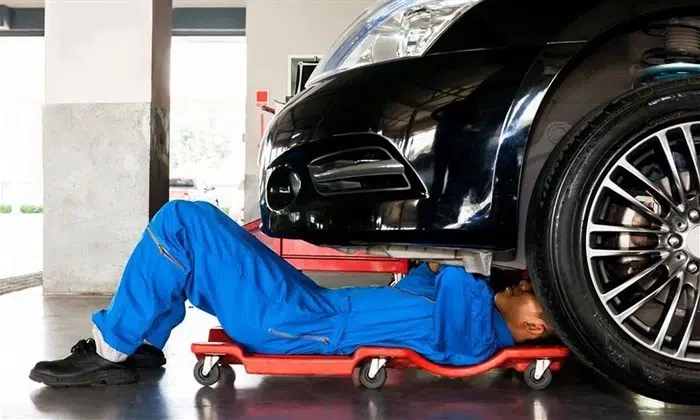
    Car repairs can be one of the most frustrating expenses for vehicle owners. Whether it’s an unexpected breakdown or routine maintenance, the costs can add up quickly. However, while everyone wants to save money, cutting corners on auto repair services can lead to more significant expenses in the long run.

    The good news? There are smart ways to reduce repair costs while still keeping your vehicle safe and reliable. With proper planning, informed decisions, and working with a skilled mechanic, you can keep your car in excellent condition without overspending.


    1. Know the Difference Between Urgent and Non-Urgent Repairs

    Not every issue with your car needs to be fixed immediately. Understanding which problems require immediate attention versus those that can wait can help prioritize expenses.

    Urgent Repairs (Fix These Immediately):

    • Brake failure – If your brakes are grinding or unresponsive, don’t wait.
    • Check engine light flashing – This signals a serious engine problem.
    • Overheating engine – Ignoring this can lead to complete engine failure.
    • Steering or suspension issues – If the car doesn’t handle properly, it’s a safety risk.

    Non-Urgent Repairs (Can Be Scheduled Later):

    • Minor oil leaks – Keep an eye on fluid levels, but small leaks may not need immediate attention.
    • Cosmetic damage – Scratches, dents, or worn-out upholstery don’t affect safety.
    • Worn tires (if still within legal tread depth) – Plan for replacement but avoid panic spending.

    A trusted mechanic can help you decide which repairs are essential and which ones can wait, saving you from unnecessary expenses.


    2. Stay on Top of Preventative Maintenance

    One of the most effective ways to save money on auto repair services is by preventing issues before they arise.

    Schedule regular oil changes – Clean oil protects the engine from wear and tear.
    Check tire pressure frequently – Proper inflation improves fuel efficiency and prevents premature wear.
    Inspect belts and hoses – Replacing them before they fail avoids costly breakdowns.
    Replace air filters when needed – A clean filter helps the engine run efficiently.

    A simple maintenance routine reduces the risk of expensive emergency repairs and keeps your car running smoothly.


    3. Find a Trustworthy Mechanic

    A reliable mechanic can save you money in the long run by offering honest advice and fair pricing.

    How to Choose the Right Mechanic:

    • Look for certifications and experience in handling your car’s make and model.
    • Read online reviews and ask for recommendations from friends.
    • Get detailed estimates before authorizing repairs to avoid hidden costs.

    Working with a reputable repair shop, like Carl’s Reliable Auto Repair, ensures that you get quality service without unnecessary expenses.


    4. Compare Prices for Parts and Labor

    Auto repairs often involve both parts and labor costs, and prices can vary depending on where you go.

    Ways to Save on Parts and Labor:

    • Ask for multiple quotes before committing to a repair.
    • Request OEM (original equipment manufacturer) vs. aftermarket parts to compare costs.
    • Check if used or refurbished parts are a safe option for certain repairs.

    While price shopping is helpful, be cautious of suspiciously low quotes—they may indicate low-quality parts or inexperienced technicians.


    5. Handle Small Repairs Yourself

    Some basic car maintenance tasks can be done at home, reducing labor costs.

    Simple DIY Repairs:

    • Replacing windshield wipers
    • Changing the air filter
    • Checking and refilling fluids (coolant, brake fluid, washer fluid)
    • Replacing a dead battery

    For minor tasks, skipping the mechanic visit and doing it yourself can save hundreds of dollars per year.


    6. Use Coupons, Discounts, and Loyalty Programs

    Many repair shops and auto parts stores offer special discounts for returning customers.

    Ways to Save Money with Discounts:

    • Ask about seasonal promotions on services like oil changes and tire rotations.
    • Sign up for loyalty programs that offer discounts on future repairs.
    • Look for coupons online before visiting a repair shop.

    Taking advantage of discounts can significantly lower maintenance costs over time.


    7. Know When to Buy vs. Repair

    Sometimes, holding on to an aging vehicle can become more expensive than purchasing a newer, more reliable one.

    When It’s Worth Repairing Your Car:

    • The repair cost is less than 50% of the car’s value.
    • Your vehicle still has many years of reliable service left.
    • You’ve kept up with regular maintenance, and the car runs well.

    When It Might Be Time to Replace:

    • Repairs exceed the value of the vehicle.
    • Frequent breakdowns are costing more than monthly car payments on a newer model.
    • Major components (engine, transmission) require expensive replacements.

    A mechanic can help assess whether repairs are worth the investment or if it’s time to upgrade.


    8. Avoid Unnecessary Add-Ons and Upsells

    Some repair shops recommend extra services that aren’t immediately needed. While some are beneficial, others are simply upsells that increase the bill.

    How to Avoid Paying for Unnecessary Services:

    • Ask, “Is this repair essential for safety or performance?”
    • Request a second opinion if you’re unsure.
    • Review your car’s maintenance schedule to see if the service is needed.

    A trustworthy auto repair service will prioritize your car’s actual needs over unnecessary add-ons.


    9. Consider a Used or Rebuilt Part for Major Repairs

    For expensive repairs like engine replacements or transmission work, opting for a used or rebuilt part can save thousands of dollars.

    Pros of Used or Rebuilt Parts:

    • Often just as reliable as new parts when sourced from reputable providers.
    • Lower cost than purchasing brand-new components.
    • Many come with warranties for added peace of mind.

    Discussing part options with a mechanic ensures that you get quality replacements without overspending.


    10. Get Repairs Done Before Small Issues Become Big Ones

    One of the biggest mistakes vehicle owners make is waiting too long to address small issues.

    Examples of Small Fixes That Prevent Major Repairs:

    • Fixing a minor oil leak before it damages engine components.
    • Replacing worn brake pads before they ruin the rotors.
    • Getting a tune-up before performance declines and fuel efficiency drops.

    By staying ahead of maintenance and repairs, car owners avoid major expenses and unexpected breakdowns.


    Final Thoughts

    Keeping a car running safely doesn’t have to break the bank. With regular maintenance, smart repair decisions, and working with a trustworthy mechanic, drivers can save money on auto repair services without sacrificing quality.

    For professional service and cost-effective vehicle care, choosing a trusted provider like Carl’s Reliable Auto Repair ensures quality repairs at fair prices.

    By making informed decisions and prioritizing necessary fixes, vehicle owners can keep their cars running longer while staying within budget.

  • Cooktop Installation and Repair: How to Ensure Safety and Long-Term Efficiency in Your Kitchen

    Cooktop Installation and Repair: How to Ensure Safety and Long-Term Efficiency in Your Kitchen

    Introduction

    The cooktop is the heart of any kitchen, playing a central role in daily meal preparation. Whether you’re searing a steak, simmering sauces, or boiling pasta, a reliable and efficient cooktop is essential. However, like any appliance, cooktops require proper installation and regular maintenance to function at their best. A poorly installed or malfunctioning cooktop can lead to inconsistent cooking results, higher energy costs, and even serious safety hazards.

    From electric and gas models to modern induction cooktops, each type comes with its unique installation requirements and potential repair issues. Understanding how to properly install and maintain your cooktop not only ensures safe operation but also extends its lifespan and efficiency. When installation or repair needs arise, working with professionals like QLAMA Appliance Repair can guarantee that your cooktop remains a dependable centerpiece in your kitchen.

    In this guide, we’ll cover everything you need to know about cooktop installation and repair, including common issues to watch for, safety considerations, and maintenance tips to keep your appliance running smoothly.

    1. Choosing the Right Cooktop for Your Kitchen

    Before diving into installation and repair, it’s important to choose the right cooktop that suits your kitchen layout, cooking style, and energy preferences. The three main types of cooktops—gas, electric, and induction—each have distinct features and installation requirements.

    • Gas Cooktops:
      Preferred by many professional chefs, gas cooktops offer precise temperature control and instant heat. They require a natural gas or propane connection and proper ventilation to ensure safe operation.
    • Electric Cooktops:
      These models use heating elements beneath a smooth glass or ceramic surface. They are generally easier to install than gas cooktops, as they only require an electrical connection, but they can be slower to heat and cool.
    • Induction Cooktops:
      Using electromagnetic fields to heat cookware directly, induction cooktops are energy-efficient and provide rapid heating. However, they require compatible cookware and may involve more complex electrical installation.

    When selecting a cooktop, consider factors like available fuel sources, kitchen space, and your cooking habits. Consulting with a professional can help you determine the best fit for your home.

    2. Essential Steps for Safe Cooktop Installation

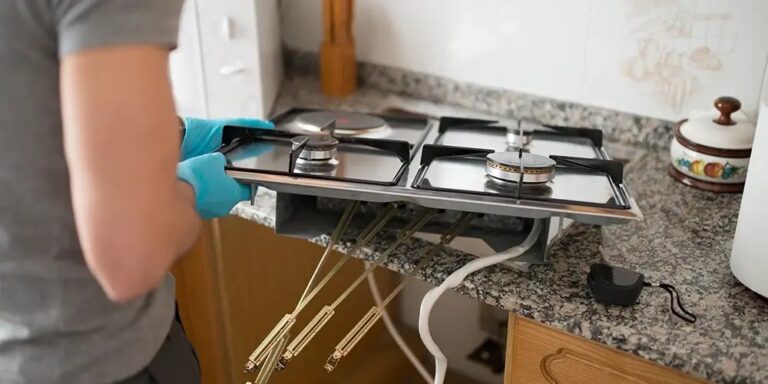
    Proper installation is critical for ensuring the safety and efficiency of your cooktop. Whether you’re replacing an old unit or installing a brand-new appliance, following the correct procedures can prevent potential hazards.

    • Check for Proper Clearance:
      Ensure there is adequate clearance around the cooktop, both above and below the unit. This prevents overheating and provides space for proper ventilation. Follow the manufacturer’s guidelines for minimum clearance requirements.
    • Ensure Level Installation:
      A level cooktop ensures even cooking and prevents spills. Use a spirit level during installation to verify that the surface is perfectly horizontal.
    • Secure Electrical or Gas Connections:
      For electric cooktops, verify that the electrical circuit matches the appliance’s voltage requirements and that the wiring is properly grounded. For gas cooktops, ensure that the gas line is securely connected and leak-free. Apply a soapy water solution to the connections—if bubbles form, there’s a leak that needs immediate attention.
    • Test the Appliance:
      Before finalizing the installation, test the cooktop to ensure all burners or heating elements function correctly. Check for even heating and confirm that ignition systems work smoothly.

    While some homeowners may feel confident handling installation themselves, it’s often best to enlist professional help. Companies like QLAMA Appliance Repair specialize in cooktop installation, ensuring your appliance is set up safely and according to code.

    3. Common Cooktop Repair Issues and How to Address Them

    Even with proper installation and maintenance, cooktops can develop issues over time. Recognizing the signs of trouble early on can prevent more serious problems and costly repairs.

    • Uneven or Inconsistent Heating:
      If your cooktop isn’t heating evenly, it could be due to faulty burners, worn-out heating elements, or issues with the electrical connections. For gas models, uneven flames may indicate clogged burner ports or insufficient gas flow.
      Solution:
      Clean the burner ports for gas cooktops and inspect heating elements for visible damage in electric models. If the problem persists, professional inspection may be needed to diagnose internal wiring or gas flow issues.
    • Ignition Problems (Gas Cooktops):
      If the burner won’t ignite or clicks repeatedly without lighting, there may be a problem with the ignition system, gas supply, or clogged burner holes.
      Solution:
      Check for gas supply issues and clean the burner ports. If the igniter continues to malfunction, it may need to be replaced.
    • Cooktop Not Powering On (Electric or Induction Models):
      A cooktop that won’t turn on may indicate a blown fuse, faulty wiring, or issues with the control panel.
      Solution:
      Check the circuit breaker and ensure the appliance is receiving power. If there’s still no response, professional repair may be necessary to address electrical issues.
    • Cracked or Damaged Cooktop Surface:
      Glass or ceramic cooktops are prone to cracks and scratches from heavy cookware or sudden temperature changes.
      Solution:
      Small scratches can sometimes be polished out, but cracks typically require replacement of the entire surface. Continuing to use a cracked cooktop can be hazardous and lead to further damage.

    4. Preventative Maintenance Tips for Long-Term Efficiency

    Regular maintenance can extend the lifespan of your cooktop and ensure it operates efficiently. Simple routines can prevent common problems and keep your kitchen running smoothly.

    • Clean Burners and Surfaces Regularly:
      Spills and food debris can clog gas burners or damage the surface of electric and induction cooktops. Wipe down the surface after each use with a soft cloth and non-abrasive cleaner.
    • Inspect Electrical and Gas Connections:
      Periodically check gas lines and electrical wiring for signs of wear or damage. Ensure that connections are secure and free from corrosion or leaks.
    • Avoid Heavy Impact:
      For glass or ceramic cooktops, avoid placing heavy pots or pans directly on the surface to prevent cracks and scratches. Use cookware with smooth bottoms to avoid damaging the surface.
    • Use Proper Cookware for Induction Cooktops:
      Induction cooktops require magnetic cookware, such as cast iron or stainless steel. Using incompatible pots can result in inefficient heating or failure to detect the cookware altogether.

    5. When to Call a Professional for Cooktop Repair or Installation

    While basic maintenance and minor repairs can be handled at home, certain situations call for professional intervention to ensure safety and proper functioning.

    • Electrical Issues:
      If your cooktop frequently trips the breaker, won’t turn on, or shows signs of electrical failure (such as flickering lights or sparking), it’s crucial to contact a professional. Electrical issues can pose serious safety risks if not handled properly.
    • Gas Leaks or Ignition Problems:
      If you smell gas or suspect a leak, turn off the gas supply immediately and ventilate the area. Do not attempt to fix gas lines yourself—call a professional appliance repair service to handle the issue safely.
    • Complex Installations:
      Installing a new cooktop often involves modifications to your kitchen’s electrical or gas infrastructure. Professional services like QLAMA Appliance Repair can ensure that installations comply with local building codes and are completed safely.

    6. Upgrading Your Cooktop for Better Efficiency

    If your current cooktop is outdated, inefficient, or frequently in need of repairs, it may be time to consider an upgrade. Modern cooktops offer improved energy efficiency, safety features, and enhanced cooking performance.

    • Energy-Efficient Models:
      Induction cooktops are among the most energy-efficient options available, using electromagnetic technology to heat pots directly and reduce wasted energy.
    • Safety Features:
      Modern cooktops come equipped with features like automatic shut-off, child safety locks, and residual heat indicators to improve safety in the kitchen.
    • Smart Technology Integration:
      Some newer models offer smart technology integration, allowing you to control temperature settings and monitor cooking progress through mobile apps.

    Upgrading your cooktop not only improves efficiency but can also enhance the overall functionality and aesthetic of your kitchen. Consulting with professionals ensures the installation is handled correctly and safely.

    Conclusion

    Proper cooktop installation and regular maintenance are essential for ensuring safety, efficiency, and long-term performance in your kitchen. Whether you’re dealing with uneven heating, ignition issues, or planning a new installation, understanding the basics of cooktop care can save you from costly repairs and potential hazards.

    While some minor issues can be addressed with simple troubleshooting, more complex problems require professional attention. Services like QLAMA Appliance Repair offer expert installation and repair solutions, ensuring your cooktop remains a reliable centerpiece in your kitchen.

    By staying proactive with maintenance and seeking professional help when needed, you can keep your cooktop running smoothly for years to come, making every meal preparation safe, efficient, and enjoyable.