Category: Marketing

  • Maintaining Constant Customer Communication: Paths to Success

    Maintaining Constant Customer Communication: Paths to Success

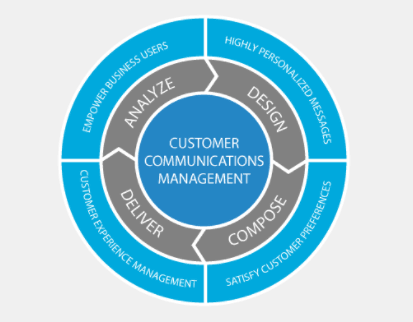
    Effective and continuous communication with your customers is crucial for building strong relationships and ensuring the success of your business. In today’s fast-paced and highly competitive market, staying connected with your customers can set you apart from your competitors and foster loyalty. Here are some essential strategies and creative ideas to help you maintain constant communication with your customers.

    Diversify Your Communication Channels

    To ensure you are always reachable, leverage a variety of communication channels. Different customers have different preferences, so providing multiple ways to connect with your business increases accessibility and satisfaction.

    Email Newsletters and SMS Notifications: Regularly send out email newsletters to keep your customers informed about new products, services, promotions, and company news. Ensure the content is engaging and relevant, offering valuable information or insights. For urgent updates or reminders, consider using SMS notifications. This can be particularly effective for appointment reminders, order confirmations, and special promotions, providing a quick and direct line to your customers.

    Social Media and Live Chat: Maintain an active presence on social media platforms such as LinkedIn, Twitter, Facebook, and Instagram. Use these channels to interact with your customers, share updates, and respond promptly to inquiries and comments. Social media also allows for real-time communication and engagement, fostering a sense of community around your brand. Implement live chat on your website to provide instant assistance to visitors. This can enhance the customer experience by addressing questions or concerns immediately, reducing wait times and improving satisfaction.

    Personalize and Optimize Communication

    Personalization is key to making your customers feel valued and understood. Tailoring your communication to meet individual needs can significantly enhance the customer experience and build stronger relationships.

    Segmented Campaigns and Customized Offers: Use customer data to segment your email list based on demographics, purchase history, or behavior. This allows you to send targeted messages that resonate with specific groups, increasing the relevance and effectiveness of your communication. Analyze customer data to create personalized offers and recommendations. By understanding your customers’ preferences and buying habits, you can provide them with tailored suggestions that meet their needs, enhancing their satisfaction and loyalty.

    Personalized Greetings and Automated Responses: Address customers by their names in emails and messages. Small touches like this can make your communication feel more personal and less generic. Use automated responses for common queries to provide immediate answers and reduce response times. Automation can handle routine tasks, freeing up your team to focus on more complex issues. This balance of automation and personalization ensures efficient and effective customer service.

    Leverage Technology for Seamless Communication

    Investing in the right technology can streamline your communication processes and ensure you stay connected with your customers at all times.

    CRM Systems and Chatbots: Implement a Customer Relationship Management (CRM) system to manage and analyze customer interactions and data. A CRM can help you track communication history, manage customer inquiries, and provide personalized service based on customer profiles. Incorporate chatbots on your website and social media platforms to handle initial customer interactions. Chatbots can provide instant responses, gather information, and escalate issues to human agents when necessary.

    Internet Reliability and Backup Solutions: A reliable internet connection is essential for maintaining seamless communication with your customers. Downtime can lead to missed opportunities and dissatisfied customers, so it’s crucial to have a plan in place to ensure continuous connectivity. Invest in a high-quality primary internet connection and have a backup internet for business in case of outages. A backup connection can ensure your communication channels remain open, allowing you to continue serving your customers without interruption. 

    Foster a Culture of Responsiveness

    Encourage a culture of responsiveness within your organization to ensure that all customer inquiries are addressed promptly and professionally.

    Set Clear Response Times and Empower Your Team: Establish clear response time guidelines for different communication channels and ensure your team adheres to them. Quick responses demonstrate your commitment to customer service and can enhance satisfaction. Equip your customer service team with the tools, training, and authority they need to resolve issues efficiently. Empowered employees can make decisions on the spot, reducing delays and improving the overall customer experience.

    Conclusion

    Maintaining constant communication with your customers is essential for building strong relationships and ensuring long-term success. By diversifying your communication channels, personalizing your interactions, leveraging technology, ensuring reliable internet connectivity, and fostering a culture of responsiveness, you can stay connected with your customers and provide exceptional service. These strategies will help you meet customer expectations, foster loyalty, and stand out in a competitive market.

  • Unleash Your Inner Adventurer: Kospet Rugged Military Smart watch Review

    Unleash Your Inner Adventurer: Kospet Rugged Military Smart watch Review

    In the realm of outdoor exploration and adventure, having the right gear can make all the difference. Enter the Kospet Rugged Military Smart watch, a robust and feature-packed companion designed to accompany you on your wildest expeditions. In this review, we’ll delve into the key features, durability, and performance of this rugged timepiece, exploring how it can enhance your outdoor experiences and help you push the boundaries of exploration.

    Built to Withstand the Elements

    From the depths of the wilderness to the highest peaks, the Kospet Rugged Smartwatch is engineered to withstand the harshest conditions imaginable. Its rugged exterior, constructed from durable materials, is built to endure shocks, vibrations, extreme temperatures, and water immersion. Whether you’re hiking through rain-soaked forests or traversing rocky terrain, this smart watch is designed to keep pace with your adventures without skipping a beat.

    Military-Grade Durability

    The Kospet Rugged isn’t just tough—it’s military-grade tough. Designed to meet MIL-STD-810G standards, it undergoes rigorous testing to ensure its reliability in the most demanding environments. This means it can withstand drops, impacts, and vibrations without compromising its functionality. Whether you’re an avid hiker, rock climber, or mountain biker, you can trust that this smart watch will stand up to the rigors of your outdoor pursuits.

    Navigation and Exploration Tools

    One of the standout features of the Kospet Rugged is its suite of navigation and exploration tools. Equipped with GPS, GLONASS, and Beidou positioning systems, as well as an altimeter, barometer, and compass, it serves as a reliable guide for outdoor adventurers. Whether you’re exploring unfamiliar trails, navigating rugged terrain, or plotting your course through the wilderness, this military smartwatch provides the essential tools to help you stay on track and reach your destination safely.

    Connectivity and Communication

    Despite its rugged build, the Kospet Rugged doesn’t skimp on connectivity. With support for 4G LTE and Bluetooth, it keeps you connected to the outside world even in remote areas. Receive notifications, messages, and calls directly on your wrist, allowing you to stay in touch with friends, family, and emergency services when needed. Additionally, its compatibility with various fitness and health tracking apps enables you to monitor your performance and well-being during your adventures.

    Long-Lasting Battery Life

    In the world of outdoor exploration, endurance is key. The Kospet Rugged excels in this regard, boasting impressive battery life that ensures it keeps pace with even the longest expeditions. With its power-efficient design and intelligent power management features, you can rely on this smart watch to last for days on a single charge. Say goodbye to the hassle of constantly recharging your device and focus on making the most of your outdoor experiences.

    Conclusion

    In summary, the Kospet Rugged Military Smart watch is a versatile and reliable companion for outdoor adventurers seeking to explore the world around them. With its durable construction, comprehensive features, and user-friendly design, it offers everything you need to navigate, communicate, and stay safe during your outdoor excursions. Whether you’re hiking, camping, biking, or simply enjoying the great outdoors, this smart watch is your ultimate companion for unlocking new adventures and unleashing your inner adventurer.

  • Unleashing the Power of Entity SEO and Knowledge Graph Integration

    Unleashing the Power of Entity SEO and Knowledge Graph Integration

    In the dynamic world of digital marketing and search engine optimization (SEO), staying ahead of the curve is crucial for businesses looking to maximize their online presence and drive organic traffic to their websites. One strategy that has gained significant traction in recent years is the integration of entity SEO with knowledge graph technology. In this comprehensive guide, we’ll explore the concept of entity SEO, its importance in modern SEO practices, and how coupling it with knowledge graph integration can propel your SEO efforts to new heights.

    Understanding Entity SEO

    At its core, entity SEO revolves around optimizing content for entities—entities being people, places, things, or concepts—rather than solely focusing on keywords. By structuring content around entities and their relationships, businesses can provide search engines with contextually rich information that enhances relevance and improves visibility in search results. This shift towards entity-based optimization reflects search engines’ evolving understanding of user intent and their emphasis on delivering personalized, semantic search results.

    The Role of Entities in Modern SEO

    Entities play a fundamental role in how search engines interpret and rank content. Rather than relying solely on keyword matching, search engines analyze entities and their attributes to understand the context and relevance of web pages. This semantic approach to search enables search engines to deliver more accurate and personalized results to users, aligning with their search intent and preferences. By optimizing content for entities, businesses can improve their chances of appearing prominently in search engine results pages (SERPs) and attracting relevant organic traffic.

    Optimizing for Entities

    Effective entity optimization involves several key strategies aimed at enhancing the visibility and relevance of entities in search results:

    1. Semantic Markup: Implement schema.org markup to provide search engines with structured data about the entities on your website. Schema markup helps search engines understand the meaning and context of your content, making it more likely to appear in rich snippets, knowledge panels, and other enhanced search results features.
    2. Entity-Centric Content Strategy: Develop content that revolves around specific entities and their attributes. Instead of simply targeting keywords, create comprehensive, authoritative content that addresses various aspects of targeted entities. This could include in-depth guides, case studies, expert interviews, and multimedia content that showcase your expertise and authority within your industry or niche.
    3. Entity Linking: Use internal and external linking strategies to establish semantic connections between related entities. Internal links help search engines navigate and understand the structure of your website, while external links from reputable sources reinforce the authority and credibility of your entities. By strategically linking between relevant entities, you can further enhance the semantic context of your content and improve its visibility in search results.

    The Evolution of Knowledge Graphs in SEO

    Knowledge graphs represent a significant advancement in how search engines organize and understand information on the web. A knowledge graph is a structured data model that encodes real-world entities and their relationships in a graph-like format. Google’s Knowledge Graph, launched in 2012, was a groundbreaking development that revolutionized search by providing users with instant access to relevant information and contextual knowledge directly within search results.

    Leveraging Knowledge Graph Integration for SEO Success

    Integrating knowledge graph technology into your SEO strategy offers several advantages:

    1. Enhanced SERP Visibility: By aligning your content with knowledge graph entities, you increase the likelihood of appearing in featured snippets, knowledge panels, and other enhanced search results features. Google often pulls information from knowledge graph entities to provide users with quick, concise answers to their queries, resulting in greater visibility and click-through rates for your content.
    2. Improved User Experience: Knowledge graph seo integration enhances the user experience by providing users with relevant, contextually rich information directly within search results. By surfacing authoritative sources and related entities, knowledge graphs help users discover valuable content more efficiently, leading to higher engagement and satisfaction levels.
    3. Semantic Understanding: Knowledge graph integration enables search engines to better understand the semantic relationships between entities and topics. By leveraging knowledge graph data, search engines can deliver more accurate and personalized search results tailored to users’ specific needs and preferences. This deeper level of semantic understanding allows businesses to connect with their target audience more effectively and drive meaningful interactions.

    Conclusion

    In conclusion, entity SEO and knowledge graph SEO integration represent a paradigm shift in SEO strategy, offering businesses powerful tools to improve their online visibility, enhance user experience, and drive organic traffic to their websites. By optimizing content for entities, implementing schema markup, and leveraging knowledge graph technology, businesses can position themselves for success in an increasingly competitive digital landscape. As search engines continue to prioritize semantic search and entity-based understanding, embracing entity SEO and knowledge graph integration will be essential for staying ahead of the curve and achieving long-term SEO success.

  • Mastering SEO with Longtail Keyword Strategy and Chat GPT Topical SEO

    Mastering SEO with Longtail Keyword Strategy and Chat GPT Topical SEO

    In the ever-evolving landscape of search engine optimization (SEO), mastering longtail keyword strategy and harnessing the power of chat GPT topical SEO have become essential for businesses aiming to enhance their online visibility and drive targeted traffic to their websites. In this comprehensive guide, we’ll delve into the intricacies of longtail keyword strategy, explore the potential of chat GPT topical SEO, and uncover how these two approaches can synergize to optimize your SEO efforts.

    Understanding Longtail Keyword Strategy

    Longtail keyword strategy involves targeting highly specific and less competitive keyword phrases that are longer and more detailed than generic keywords. While short-tail keywords may have high search volumes, they often face fierce competition. Longtail keywords, on the other hand, may have lower search volumes individually but collectively account for a significant portion of search traffic. By optimizing for longtail keywords, businesses can attract highly relevant traffic with greater intent to convert.

    The Importance of Longtail Keywords in SEO

    Longtail keywords play a crucial role in SEO for several reasons:

    1. Targeted Traffic: Longtail keywords are more specific and indicative of user intent, allowing businesses to attract visitors who are actively seeking the products or services they offer.
    2. Lower Competition: Due to their specificity, longtail keywords typically face less competition compared to short-tail keywords, making it easier for businesses to rank higher in search engine results pages (SERPs).
    3. Higher Conversion Rates: Visitors who arrive via longtail keyword searches are often further along in the buying process, resulting in higher conversion rates compared to generic searches.

    Optimizing Longtail Keyword Strategy for Maximum Impact

    To optimize your longtail keyword strategy and ensure maximum impact, consider the following additional tactics:

    1. Content Diversification: Explore different types of content formats to target longtail keywords effectively. This may include how-to guides, product reviews, case studies, and FAQs. Diversifying your content portfolio allows you to address a wider range of user queries and capture more organic traffic.
    2. Localized Targeting: Incorporate location-specific longtail keywords to attract users from specific geographic regions. Local SEO plays a crucial role for businesses targeting audiences in specific cities, regions, or countries. By optimizing your content for location-based longtail keywords, you can enhance your visibility in local search results and attract highly relevant traffic.
    3. User Intent Analysis: Understand the underlying intent behind user searches and tailor your content to meet those needs. Longtail keywords often reflect specific user intents, such as informational queries, navigational queries, or transactional queries. By analyzing user intent and aligning your content strategy accordingly, you can create content that addresses user needs at each stage of the buyer’s journey.

    Exploring Chat GPT Topical SEO

    Incorporating chat GPT topical SEO into your digital marketing arsenal opens up a world of possibilities for engaging your audience and driving organic traffic. Here are some additional strategies for maximizing the impact of chat GPT topical SEO:

    1. Conversation Optimization: Continuously refine your chatbot conversations based on user interactions and feedback. Monitor chatbot performance metrics such as response time, completion rate, and user satisfaction to identify areas for improvement and optimization. By fine-tuning your chatbot conversations, you can create a seamless user experience that encourages engagement and conversion.
    2. Content Expansion: Leverage chat GPT technology to generate a wide range of conversational content, including blog posts, social media updates, and email newsletters. By automating content generation with chat GPT, you can streamline your content creation process, scale your content output, and maintain consistency across all channels.
    3. Integration with CRM Systems: Integrate your chatbot with customer relationship management (CRM) systems to streamline lead generation, qualification, and nurturing processes. By capturing user data and insights from chatbot interactions, you can personalize your marketing efforts, segment your audience effectively, and deliver targeted messages that resonate with individual users.

    Maximizing Synergy Between Longtail Keyword Strategy and Chat GPT Topical SEO

    To achieve maximum synergy between your longtail keyword strategy and chat GPT topical SEO, consider the following integration tactics:

    1. Keyword-Informed Content Generation: Use longtail keywords as prompts for generating conversational content with chat GPT technology. Provide the chatbot with a list of target longtail keywords and let it generate natural language responses that incorporate those keywords seamlessly. This approach ensures that your conversational content aligns closely with user search intent and targets relevant longtail keywords effectively.
    2. Dynamic Content Personalization: Leverage chat GPT technology to personalize content recommendations and responses based on user queries and preferences. Integrate longtail keywords into chatbot conversations dynamically, ensuring that the content remains relevant and engaging for each user. By delivering personalized, keyword-targeted content experiences, you can increase user engagement, satisfaction, and ultimately drive conversions.
    3. Continuous Optimization and Analysis: Monitor the performance of your integrated longtail keyword strategy and chat GPT topical SEO efforts closely. Track key metrics such as search rankings, organic traffic, engagement metrics, and conversion rates to assess the effectiveness of your combined approach. Continuously optimize your strategy based on data-driven insights and user feedback to maximize your SEO impact and achieve your business goals.

    Conclusion

    In conclusion, the synergy between longtail keyword strategy and chat GPT topical SEO offers a powerful combination for businesses looking to elevate their SEO efforts and drive organic traffic. By targeting highly specific longtail keywords and leveraging chat GPT technology to create engaging, conversational content, businesses can enhance their online visibility, attract relevant traffic, and ultimately drive conversions. As search engines continue to evolve and prioritize relevance, personalization, and user engagement, embracing this integrated approach will be key to staying ahead of the curve and achieving long-term SEO success.

  • How To Plan Your 2024 TikTok Content Calendar

    How To Plan Your 2024 TikTok Content Calendar

    TikTok is an evolving platform that is expected to reach 2 billion users by the end of 2024. Whether you are a brand, a creator, or an influencer, maintaining a strong presence on TikTok is crucial to promote your brand, reach your target audience, deliver your message effectively, and increase engagement. However, along with the user base, the creators and brands are also increasing on TikTok, making it difficult for you to stand out from the crowd, maintain a strong identity, and attract maximum audience. Content Calendar is an integral part of a successful TikTok strategy that can help you outshine your competitors and achieve TikTok goals easily and efficiently. A content calendar enables you to plan and organize your content in advance after considering the trends and challenges and also schedule them for the desired date. It can help you maintain consistency, post at the best time when your audience stays active, optimize working time, and analyze what content is working the best. In this blog, we will share How to Plan Your 2024 TikTok Content Calendar and get the most out of your TikTok marketing. 

    Set Your Goals

    Setting goals is the first and foremost step in planning an accurate content calendar. Determine what exactly you want to achieve with TikTok content. Whether it is increasing followers, boosting engagement, launching new products, increasing views, gaining visibility, driving traffic to the website/ other social media channels, promoting a product/ service, or something else. An accurate goal can help you add the right content to your TikTok content calendar during the planning process. Ensure that your goals are realistic as per your TikTok’s reach, performance, and visibility. If you want high views and engagement on your videos, you can buy TikTok followers who can engage with your content and increase engagement. 

    Understand Your Audience

    The most crucial thing is to understand your audience deeply to create content tailored to their likes and preferences and avoid creating content that can hurt their sentiments. Analyze your audience’s demographics, interests, behavior, pain points, deepest desires, biggest fears, etc., to create content that resonates with them and catches their interest at the first glimpse. Use this information to create content that directly targets their pain points, give them a solution, and build their trust in your brand. A simple way to understand your audience is to run polls to understand their choices and preferences and what they like and dislike. 

    Research Trends and Challenges

    Trends and challenges are the backbone of TikTok and are important content types that help you stay relevant and updated and maximize your content’s reach and visibility. Stay updated with the newest TikTok trends, challenges, sounds, and hashtags using TikTok’s Discover page, Trending section, and statistics. Make sure to add content based on the latest trends and challenges that are relevant to your business or genre. While creating the content calendar, add everything about the trend, like its audio, content type, target audience, hashtags used, potential reach, popular captions, etc., to avoid missing anything during the posting. 

    Create a Template for the Calendar

    Once you complete your research work, create a clear and concise template for the calendar using the tools available in the market. Some of the best content calendar creating tools are Loomly, Socialbee, Socialpilot, and Planly that are super easy and simple to use. You can also use the Google Sheets tool that allows you and your team to collectively view, edit, and manage the content calendar and put individual input. Moreover, make sure that the whole TikTok marketing team can access the content calendar. The TikTok content calendar should include the following information:

    • The topic

    • The type of content

    • Content theme

    • The date and time for publishing

    • Captions, hashtags, and audio

    • Engagement strategy

    • Cross Promotion

    • The person in charge

    • Follow-through

    Plan Your Content Themes

    TikTok is a versatile platform, and your audience must want to see content of different themes. Therefore, it’s crucial to create diverse content themes and categories that are consistent with your brand or personal style as well as the audience’s interest to keep them engaged. You should consider using a combination of educational, entertaining, and inspirational content and balance them with some promotional content pieces to provide value as well as promote your brand. Make sure to use user-generated content in your content calendar to increase brand awareness, organic reach, and engagement. Moreover, keep an eye on the performance of the different themes and find out which one resonates most with your audience. 

    Optimize Posting Times and Schedule Posts

    Experiment with different posting times to find out when your target audience is most active and is engaging with the content. You can use TikTok analytics to monitor your content’s performance at different times and adjust your posting schedule accordingly. Furthermore, schedule your TikTok posts in advance to avoid missing out on the best posting times for maximum reach and engagement of your content. Besides that, scheduling posts in advance is an effective strategy, as even if you are unavailable or are unable to post manually at that time, the video gets posted automatically without any manual intervention. This helps you maintain a consistent, well-thought-out, and cohesive TikTok presence. 

    Leave Room for Spontaneity 

    Even if you are creating a content calendar, it’s crucial to stay flexible and leave room for spontaneity as trends and challenges change in the blink of an eye, and it’s crucial to hop on the trends as soon as they gain popularity. You should remain adaptable to unexpected trends or challenges on the platform and immerse yourself in that creative freedom to utilize them to get instant reach, visibility, and engagement. After all, staying relevant and updated is the most important mantra to stay in the competition and maximize brand visibility. 

    Conclusion 

    In conclusion, we can say that creating a content calendar is important for achieving success on a highly competitive platform like TikTok, where every creator and brand is performing their best to attract the maximum audience. We have discussed how to plan your contentcalendar by setting goals, understanding the audience, checking the trends, optimizing post times, leaving room for spontaneity, etc. Using these valuable strategies, you can easily create an effective content calendar for TikTok and skyrocket your reach and engagement. 

  • The New Instagram Experience: How to See Likes in 2024

    The New Instagram Experience: How to See Likes in 2024

    In response to concerns about the impact of likes on users’ experiences, Instagram has introduced a new feature. Now, visitors can hide the number of likes their posts receive from public view.

    Instagram has responded to user feedback by hiding the number of likes on posts, aiming to create a more relaxed environment for expressing oneself on the platform. You may be curious about alternative methods if you’re a social media marketer or influencer who relies on tracking likes. While not widely known, there are ways for users to still publicly view likes on both their own and their competitors’ Instagram posts.

    Here’s a simple guide on viewing Instagram likes, both the visible ones you can count and those hidden from public view.

    Finding Your Likes

    While instagram likes are no longer front and center, they haven’t completely vanished! Here’s how to access your own liked content and who liked your posts:

    • Your Liked Posts: Open your profile and tap the three horizontal lines in the top right corner. Select “Your Activity,” followed by “Interactions,” and finally, “Likes.” Here, you’ll find a record of all the posts you’ve double-tapped on.

    • Likes on Your Posts: When you click on a specific post you’ve shared, you can still see the total number of likes (but not individual usernames) beneath the caption. Tapping “Likes” will reveal a limited list, usually the first few users who liked your post. You must use “Insights” (available for business and creator accounts) to see the complete list.

    What happened with Instagram likes in 2024?

    In 2024, Instagram made a substantial adjustment to post likes. The platform only publicly displays the number of likes a post receives if the user makes the like count public. This adjustment matches Instagram’s goal of shifting attention away from like numbers and toward the post itself.

    This change follows previous adjustments to the display of likes. In 2019, Instagram tried removing likes entirely for specific users in select countries. Later, in 2021, post likes returned but were shown differently, indicating that the username and others liked the post.

    The decision to hide likes was initially tested on a small scale to gauge its impact on user experience. Instagram eventually introduced this option to all users to promote a more positive social network.

    Users can now choose to conceal or unhide likes on their posts. Individuals can modify their Instagram experience based on their interests.

    How to Hide Likes on Instagram

    To hide likes on Instagram, whether on posts made by others or your own, follow these simple steps:

    For posts made by others:

    • Go to your profile and click on the three horizontal lines in the upper right corner.

    • Select Settings and Privacy, then scroll down to Like Count and tap it.

    • Toggle the Hide Like Count option on or off as desired.

    For your posts when creating them:

    • While creating an Instagram post, proceed to write the captions.

    • When the tab opens, tap Advanced Settings.

    • Toggle the button to the right to hide likes and view counts on that specific post.

    That’s it! You’ve successfully hidden the number of likes on Instagram posts.

    Why is Instagram offering users the option to hide likes?

    You may be asking why anyone would seek out information on how to hide likes on Instagram. What variables influenced this decision in the first place?

    According to a survey, Instagram use is associated with mental health concerns in young adults. The use of social media has an impact on people’s self-esteem because it is dependent on validation and approval from the audience. Poor self-judgment, loneliness, anxiety, and negative comments add gasoline to the fire, resulting in an increase in mental health illnesses among Instagram users.

    In one of its announcements, Instagram’s parent company, Meta, pushed for more user autonomy. It launched a conceal likes feature to “depressurize people’s experience” on Instagram.

    Instagram initially beta-tested this functionality with users in Canada. Following successful results, this feature was opened for everyone to use! Essentially, the platform provides high-quality service and a positive user experience. This tool will encourage users to express what they love without fear of rejection or concern about the number of likes on their postings. This feature is likely to lessen the stigma associated with mental health disorders.

    Engagement Beyond Likes: Exploring New Metrics

    Likes were once the sole measure of success, but Instagram 2024 offers a more holistic view of engagement. Here are some key metrics to track:

    • Comments: Comments represent a deeper level of engagement than a simple like. Encourage conversation by asking questions, responding to comments, and hosting discussions. The quality and quantity of comments can be more valuable than a high like count.

    • Saves: Saving a post signifies a user’s intention to revisit it later, indicating valuable content. Encourage users to save your posts with clear calls to action.

    • Shares: Sharing your content expands your reach and exposes it to a new audience. Encourage shares by creating valuable and shareable content.

    • Story Views and Interactions: Stories offer a more dynamic and transient way to connect with your audience. Track story views and replies, tap on links, and poll responses to understand your audience’s sentiments and preferences.

    • Insights (Business and Creator Accounts): These in-depth analytics provide valuable data on demographics, reach, engagement rates, and content performance. Use insights to understand your audience better and tailor your content accordingly.

    Conclusion 

    Instagram’s display constantly evolves, but by 2024, the company will allow users more control over how their Instagram engagement is displayed publicly.

    You can decide whether or not to make your Instagram likes and comments public. You can also hide or unhide likes from your Instagram feed if you want to focus just on the content. But nothing is permanent, and remember that you may change your display settings at any time if you don’t want to show likes in your feed.

    Remember this year that there are more essential metrics than the amount of post likes.

  • Software Development Trends for 2024

    Software Development Trends for 2024

    Nowadays, there are various reasons which make it necessary to stay in touch with current trends in software development. One reason is that software development is a dynamic field that always adapts to new technologies and user needs. Also, these trends provide a competitive attitude and help maintain a culture of continuous learning.

    Additionally, staying updated on trends like automation testing allows testers to leverage tools to improve efficiency, accuracy, and test coverage.

    In this article, we will look into some software development trends for developers and testers to follow in 2024.

    Recent Trends in Software Development

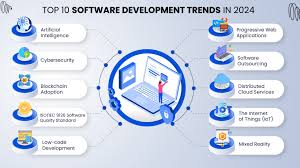
    Microservices architecture, DevOps practices, and cloud computing constitute today’s software development trend. With the help of these recent trends, significant changes have been seen in the IT sector. Also, gaining worldwide acceptance, Agile methodologies have increased collaboration among teams from different departments.

    Below are some key software development trends that will significantly impact in 2024.

    AI Boosts Automation and Efficiency in Software Development

    Expedited and automated complex or deploying tasks have been simplified by artificial intelligence when developing software. AI technology also helps to automate repetitive tasks and improve productivity. It also boosts user experiences.

    Quantum Computing Transforms Problem-Solving

    Quantum computing and software development solve business and user problems that are tough to compute. Together, they enable many applications not reached by classical computing. Therefore, in 2024, expect to see breakthroughs in creating quantum-ready applications.

    Cybersecurity-Top Concern

    Organizations will emphasize cybersecurity more as cyber threats and data breaches increase. With these software development trends, developers are expected to follow rigid and secure coding practices and implement strong security features throughout the development lifecycle.

    Progress in the Use of Modern Language

     In terms of performance, reliability, and productivity, emerging languages like Rust are gaining attention and indicate a bright future by being the “most loved” language in GitHub’s 2020 Report. Rust and languages like Go and Kotlin are attracting developers with their modern features, reflecting a significant programming trend in 2024. Recently, considerable investments were made in Rust by Microsoft and Amazon.

    Low-Code/No-Code (LCNC) Development

    With the growth in low-code development, people with diverse technical expertise can access software trends. It also accelerates application creation, shortens the development lifecycle, and enables non-technical users to create applications.

    Containerization

    Containerization is a lightweight and productive form of virtualization. It has revolutionized the way developers build, ship, and run applications.

    Application development is being transformed into a more scalable and efficient process by containerization. One of the leading platforms in containerization is Docker, which has the advantage of Dockerfile, a simple text file that includes instructions for creating a Docker image. By these, Docker has emerged as a game changer.

    Microservices

    Microservices can break large monolithic applications into smaller ones. It is gaining popularity among new trends in software development. This makes it very easy to update or scale parts of an application without affecting the whole system. It has also been successfully used by companies like Netflix and Amazon. The Microservices market is also growing significantly, fueled by the increased adoption of cloud, DevOps, and containers, with the need for secure and cost-effective IT operations.

    Growing Use of Blockchain

    As things evolve, blockchain technology stands at the forefront of innovation and reshapes how we interact with data. It is expected to grow 85% by 2032 (by CAGR). Blockchain technology has a significant role in cryptocurrency. Other than cryptocurrency, it has other uses as well, such as preventing fraud in sensitive transactions. This innovative trend is being actively adopted by various industries to bring better transparency into their operations. The mentioned functions are likely to increase in 2024.

    Ascendancy of JavaScript and Python

    JavaScript and Python are expected to remain in demand in 2024 as Python is used extensively in data sciences and is maintaining a position as one of the most popular and versatile programming languages, with JavaScript being the most popular language for development beginners. Moreover, both languages are easy to learn and use. The choice of this programming language plays a crucial role in the success of software projects in the dynamic tech landscape of 2024.

    Rise in Progressive Web Apps (PWAs)

    Without building separate mobile apps for specific OS, Progressive Web Apps (PWAs) provide the benefit of websites and mobile apps to facilitate users with a streamlined experience. They can be used on any platform that uses a web browser and are built using languages CSS, HTML, and JavaScript. Including these features, the digital world is witnessing an impressive surge in using PWAs.Growing demand for applications like SMEs and Large Enterprises worldwide has directly impacted the growth of (PWA) Development Software. Its use will likely increase in 2024 because of its cost-saving and customer-engaging features.

    Emphasis on Cloud

    Cloud computing has become an essential technology in organizations and our daily lives. It is an evolving technology with much to explore in the future. Its advantages for government, individuals, and businesses, acceptance and application of cloud services have increased in recent years. During the COVID-19 pandemic, organizations with cloud computing avoided paying for data center services they didn’t need. Hence, many more organizations are likely to move their operations to the cloud in 2024.

    5G Technology

    5G is a new network architecture that redefines how we communicate and interact with the digital world. It makes sure that the data is only accessible to authorized users. Provides developers with low latency, reliability, considerably increased speed, and capacity.

    In this new technological era, it is predicted by experts that over 1.4 billion devices will be connected to this network by 2025. This advancement will accelerate the growth of innovative software development technologies. This proves that the future of 5G is bright, and it is the correct time to go ahead.

    React Native Continues to Thrive

    In the hybrid development market, React Native has appeared as a powerful tool.

    Its ability to produce cross-platform applications with a single codebase has revolutionized the sector. It has proven to be a vital asset for businesses seeking to maximize their reach in the ever-increasing global market.

    The Rise of FinOps and GreenOps

    The rapidly progressing cloud computing landscape has currently witnessed the arrival of the FinOps and GreenOps movement, constantly solidifying their status among the latest software development trends. FinOps emphasizes efficiency across various financial processes, and GreenOps focuses on implementing eco-friendly practices for long-term value creation. By integrating these two crucial aspects, organizations are enhancing their brand reputation, regulatory compliance, and contribution to a sustainable future.

    IOB ( Internet of Behaviour ) – A Formidable Force

    For the success of any business, personalization is the key. It is a successful strategy. IoB is incomplete without the Internet of Things (IoT). IoB puts forward various important data, such as user behaviors, interests, and preferences, from BI (Business Intelligence). Hence, it has become simple to track, merge, and evaluate massive data produced by online and personal activities using IoB and IoT. IoB may replace customer surveys that are time-consuming for customers and enterprises.

    Kubernetes Has a Bright Future Ahead

    Kubernetes is also known as K8 or Kube. It automates many processes, such as deploying, scaling, and managing containerized applications. Additionally, it is used to host large-scale websites. Kubernetes solutions can deploy mobile applications with complicated custom code. It allows developers to focus on new feature development by automating many components of the deployment process. It has also proved to be a solution that decreases cloud complexity.

    The Future of  Software Development

    From self-driving cars to fully robotic surgeries, the future of software in 2024 shows less dependence on human labor and more on computers and AI. In the future, recent trends in software development will undergo additional revolution.

    Software development is a dynamic field that always adapts to new technologies and user needs. Also, these trends provide a competitive attitude and help maintain a culture of continuous learning.

    Additionally, staying updated on trends like automated cross-browser testing tools allows testers to leverage powerful platforms that significantly improve efficiency, accuracy, and test coverage.  These platforms, like LambdaTest,  enable testing across a vast array of browsers and devices, ensuring a seamless user experience for everyone. LambdaTest is an AI-powered test orchestration and execution platform that allows performing manual and automated testing on a remote test lab of 3000 browsers and operating system combinations.

    Repetitive tasks will be automated with these tools, and they will also help with debugging. Top-grade code quality and rapid development cycles will be ensured with the help of AI-powered testing and code review tools. Sustainable software development will gain traction in an era of promoting environmental awareness in 2024.

    Conclusion

    We will continue to see massive shifts in technology and software development, not just in 2024 but as technology evolves. With the wide range of forecasts and predictions offered in this article, you can have an overview of where these new software technologies are headed to maximize their potential.

    Embracing these trends opens doors to unparalleled possibilities, letting you think forward, remain agile, and be ready to adapt to changing advancements. By embracing these trends strategically, businesses can enhance resilience, maximize data value, drive growth, and accelerate digital business.

    Developers who get engaged in these trends and adapt to the evolving technological landscape will be well-positioned to create innovative, efficient, and secure software solutions in the coming years. Stay tuned for an exciting year ahead, as it will be filled with transformations in software development in 2024.

  • Web Browser Online Testing: Advanced Features for Online Testing

    Web Browser Online Testing: Advanced Features for Online Testing

    It is impossible for modern users to access the Internet without using web browsers. So, these browsers are the primary interface for users to access multiple online apps and services. Due to the increasing complexity of web developments and multiple new devices, the developers must implement thorough web browser online testing.

    Multiple online tools will help developers and quality assurance engineers streamline the testing process. These tools offer multiple features for improving efficient testing across multiple browsers.

    With this article, we will understand some of the most advanced features of web browser online testing tools. We will also understand the various ways these tools help enhance the performance and productivity of these browsers.

    Advanced Web Browser Online Testing Techniques

    Now, let us go through some of the most advanced techniques for executing web browser online testing in this modern generation. We will also understand some of the major features of each technique that will help justify the inclusion of these processes in the testing environment.

    1.   Cross-Browser Compatibility Testing

    With cross-browser compatibility testing, the testers can ensure the website or web app functions properly across multiple browsers and browser versions. The online testing process also provides a simple way for executing such test cases. This is because it allows the users to simulate various browser environments without the requirements for multiple physical devices or virtual machines.

    ●       Feature 1: Browser and Version Selection

    There are hundreds of web browsers that are easily available in the present market. Each of these browsers has thousands of different versions that are operational. So, it becomes almost impossible for the app companies to guarantee the functioning of its application on all of these variations. The developers can choose a wide range of browsers and browser versions by using certain advanced online testing tools.

     AI-powered test orchestration and execution platforms like LambdaTest offer a comprehensive suite of browsers and their various versions, enabling testers to perform thorough testing across different environments. This ensures that the software functions flawlessly for users regardless of their browser preferences.

    ●       Feature 2: Responsive Testing

    Since modern users can access the internet through multiple devices like smartphones, tablets, desktops, and even IoT devices, it is important to expand the web compatibility on all of these devices. To achieve this goal, modern application developers often incorporate responsive web design.

    Using responsive web design, the applications and software can adapt to the screen size, resolution, and also the display orientation of the target device. Using advanced mobile site tester tools, app-developing companies can incorporate responsive design testing to emulate different screen resolutions and orientations.

    The ultimate goal of executing responsive web design testing is to detect layout or design flaws that might be present within the application infrastructure.

    ●       Feature 3: Real-Time Interaction

    Various advanced online tools offer real-time interactions with the browser environment. Using this process, the testers can interact with the website as if they were using it on their on-site device test bench. It also includes various forms of user interactions and real-world use cases.

    These interactions are so seamless that it feels like using a physical browser for running all the test cases. It also provides interactive features like browser scrolling, clicking, typing, and submitting forms. Therefore, the developers can access a more realistic testing experience and more accurate test reports.

    2.   Automation Testing

    With automation testing, the developers can accelerate the testing process and detect potential issues earlier in the development and implementation cycle. In this process, the testers can also utilize online testing tools for advanced automation features. These features allow the testers to create and execute the test scripts efficiently. Some of the popular online testing frameworks include Selenium, Appium, and Playwright.

    ●       Feature 1: Scripting Support

    Most modern online browser testing tools support various scripting languages, including Selenium WebDriver. These languages allow testers to write automation test scripts for simulating user interactions across multiple target web browsers. The testers can also use these scripts for regression testing that can be executed automatically as part of the continuous integration pipeline.


    ●       Feature 2: Parallel Testing

    Modern app test cases consist of thousands of different test instances that require thorough testing. So, by integrating parallel test cases with these testing cycles, app testers can massively reduce the overall testing period. This is because, with parallel testing, the app developers can initiate and execute thousands of different test instances at the same time.

    Parallel testing also allows the app developers to run the test instances on different testing machines as well.

    ●       Feature 3: Visual Testing

    Visual testing is an important part of the modern app development and testing cycle. With this process, the testers can find any issues or layout consistencies across different browsers and devices. Using online web testing tools, the developers can access visual testing capabilities to compare screenshots of the website across different browser combinations.

    By further investigating these screenshots, the app developers can find various visual issues and resolve them before the app is deployed to the end users.

    3.   Performance Testing

    Performance testing is an important part of the app development cycle as it helps the testers understand the fluctuations in application performance depending on devices, user traffic, or user interactions. It also helps understand the speed, responsiveness, and scalability of web apps across various conditions.

    The final goal of implementing performance testing is to identify crucial bottlenecks and optimize the performance of the app across all the target devices and web browsers.

    ●       Feature 1: Load Testing

    Using web browser online testing tools, the app testers can assist the performance of the web app when exposed to unusual user traffic or overloads. In case the developers fail to properly perform this testing process, the application might behave inconsistently or crash completely in the worst-case scenario. It also helps measure the website’s response time, resource utilization, and throughput.

    ●       Feature 2: Network Throttling

    Network throttling helps simulate various network conditions, including 4G, 3G, or slow networks with high latency. The goal of this process is to assess the website’s performance across varying network speeds. The developers can also use advanced online testing tools to throttle network bandwidth and latency.

    This helps emulate real-world network conditions and identify potential performance issues to resolve them.

    ●       Feature 3: Resource Monitoring

    To analyze the proper performance of websites, the developers must closely monitor the resource utilization using online testing tools. Some of the most important metrics that the developers must follow include CPU usage, page loading times, and memory consumption. During this process, the testers should also identify resource-intensive components within the application infrastructure.

    By properly addressing all of these concerns, the app testers can massively elevate the overall performance of the website or web app. While implementing resource monitoring, the developer should also consider the low-end devices that are used by a huge segment of the target audience. This will help the developing companies to expand their app compatibility significantly.

    4.   Security Testing

    Most modern web apps store a lot of sensitive user information, including transaction details. So, the testers must execute security testing to identify vulnerabilities and ensure that the website is secure against potential threats, including cross-site scripting, session hijacking, and SQL injection.

    Using advanced web browser online testing tools, the testers can access comprehensive security tests for accessing the website’s security status.

    ●       Feature 1: Vulnerability Scanning

    Vulnerability scanning is the process of automatically identifying internal security issues within the website’s code base. Some of the most important parameters in this list include outdated libraries, security pitfalls, and insecure configurations.

    Using online testing tools, the developers can also perform automated vulnerability scans to provide detailed reports on all the identified issues present within the application infrastructure.

    ●       Feature 2: Penetration Testing

    Penetration testing is also commonly known as ethical hacking within the app development industry. This process involves simulating real-world attacks to identify weaknesses present within the website’s defense mechanisms. The testers can also use advanced online testing tools which offer penetration testing capabilities.

    Using all these inclusions, the app testers can execute targeted attacks, including SQL injection or cross-site scripting. The primary goal of this process is to assess the website’s resilience to all the common security threats that can attack after the deployment process.

    While executing penetration testing, the app developers can also access the performance of the app from the viewpoint of real users. This will help them understand some of the most common threats that these users face and adjust the app test cases accordingly.

    ●       Feature 3: Compliance Testing

    Various companies have established several privacy standards which the app developing companies must comply with. In case the app companies or developers fail to comply with all these standards, the application might face geographical bands in all these countries.

    So, by implementing compliance testing, the app testers can ensure that the website adheres to all the industry standards and regulatory requirements. Some of the most important compliances in this list include Payment Card Industry Data Security Standard (PCIDSS) and the General Data Protection Regulation (GDPR).

    To further simplify this process, the testers can also include online testing tools which provide compliance testing capabilities for assessing all the standards with specific requirements and generating company reports, which the developing companies can use for executing the auditing purposes.

    The Bottom Line

    In conclusion, the testers can use advanced online testing tools to access a wide range of features for improving comprehensive testing of web apps across multiple devices, browsers and testing environments. For instance, modern web browser testing tools integrate automated cross-browser testing, performance testing, and compatibility testing to improve the application infrastructure.

    Using this process, the app testers can also predict crucial errors at the earlier phases of the development cycle before they can turn into serious concerns. This process also ensures a seamless user experience and a secure website implementation process. Finally, this process also helps streamline the testing process to improve collaboration and deliver better-quality software to end users.

  • Google Ads: Winning Strategies for E-Commerce

    Google Ads: Winning Strategies for E-Commerce

    Introduction

    More than 80% of businesses worldwide use Google Ads for their ad campaigns, and 8.5 billion Google searches occur each day. Google Ads is a Google-developed internet advertising network in which you can bid to display ads for your business. These can be brief advertising, product listings, or films shown to online viewers. Google Shopping Ads advertising allows you to display advertising in Google’s search results as well as on partner websites, mobile apps, and YouTube videos. Google Ads Campaigns, formerly known as AdWords campaigns, are pay-per-click (PPC) advertising. You must bid on a specific term on Google and compete with other advertisers bidding for the same keyword. 

    Why Are Google Ads So Important for E-commerce?

    For many e-commerce organizations, Google Ads is an essential component of their strategy. Google Ads generates up to 18% of total e-commerce revenue.

    However, because Google Ads is a large platform with several possibilities, it might be difficult to determine which of these features are useful to you. This indicates your target audience is present, and your competitors are undoubtedly on Google. Ignoring Google PPC Ads is akin to closing a door in front of potential customers, allowing competitors to offer free samples.

    Important Facts For E-commerce Marketing

    1. Sufficient Budget

    Some marketers lack the funds or prefer not to invest in Google Shopping Ads testing. It is important to note that you should not expect to conduct a profitable campaign from day one. The first goal is to get your feet wet and see what results you can obtain from Google Ads. And then gradually improve your results. 

    1. Store Prerequisites

    Two stores that have the same budget and launch identical Google Ads campaigns may experience significantly different outcomes for conversation rate optimization.

    One might launch campaigns that make simple mistakes but still generate a profit. While the other runs excellent Google Ads campaigns, yet still loses money with each click.

    1. Google Ads Strategy

    For those unfamiliar with Google Shopping Ads, the fact that there is no such thing as a “Google Ad” adds to the confusion.

    Google Ads is a platform that allows you to promote in a variety of locations, with different campaign kinds and ad formats. So the first step is to choose which of those are useful to your business right now for the conversation rate optimization. 

    What Are the Best Google Ad Kinds for E-commerce?

    Yes, all sorts of Google Ads have a lot of promise and can raise the conversation rate optimization for your organization. However, data from two years of pandemic existence, during which eCommerce boomed, can assist us in recommending the must-have eCommerce ads.

    1. Number One: Shopping Ad Campaign

    According to recent studies, Google Shopping Ads result in 26% greater CR and 23% lower CPC than simple text advertising.

    And it’s not unexpected given the rationale behind it. If a user searches for shopping lists or products, he already has a purchasing intent.

    A shopping ad targets people who are already interested in purchasing your products, therefore converting them should be easier.

    1. Number Two: Remarketing Ad Campaigns

    If Shopping Ads allow you to target individuals who are highly likely to make a purchase, Google Remarketing Ads allow you to directly target previous website visitors.

    In terms of eCommerce Google Ads, remarketing performs admirably in both acquisition and retention. 

    1. Number Three: Target Users With Topic/ Interest ads

    Assume your products fall into a specific interest group (or your target audience has specified hobbies or interests). In that situation, you can target this audience with Interest Ads.

    In this example, the advertiser felt that those who enjoy camping would also enjoy living a simple life, so he used a Display Ad to sell the eBook.

    Topic / Interest Ads can include everything from health and fitness to home decor to vacation and beauty products, offering you a wide selection of keywords to experiment with.

    Furthermore, interest-based targeting shows your Shopping Ads to users who searched Google for the phrases you used in your ads.  

    1. Number Four: Target Your Competition

    If you want to reach out to new customers who may not know you but are familiar with your competitors, you can bid on keywords branded by them.

    However, you should exercise caution and avoid going for major players, since their budgets are larger and they may outbid you. However, if your CLV is high and you understand how to play the retention game, you should try to capitalize on your competitors’ traffic.

    Conclusion

    In terms of eCommerce campaigns, Google Shopping Ads are a secure bet for both you and your eCommerce store. This advertising channel can assist your eCommerce firm because of the various targeting options and campaign kinds accessible. A good strategy, captivating imagery, and well-written copy may generate qualified leads and raise awareness while attracting a constant stream of new clients every month. However, given the current state of the eCommerce landscape and higher-than-usual expenses, you should consider employing Google Ads for retention rather than acquisition.

  • Digital Marketing Services in London: Boost Your Online Presence

    Digital Marketing Services in London: Boost Your Online Presence

    Digital marketing has become an essential aspect of promoting businesses and reaching out to potential customers. In today’s digital age, it’s crucial for businesses to have a strong online presence to stay ahead of the competition. London, being one of the most vibrant and diverse cities in the world, has a thriving digital marketing industry that offers a range of services to businesses of all sizes and industries.

    From search engine optimization (SEO) to social media marketing, digital marketing services London cater to the diverse needs of businesses. These services aim to increase website traffic, improve brand visibility, and generate leads and sales. With the rise of e-commerce and online shopping, businesses need to have an effective digital marketing strategy to reach out to their target audience and stay relevant in today’s market. In this article, we will explore the various digital marketing services available in London and how they can benefit businesses.

    Essential Digital Marketing Services in London

    London is a hub of digital marketing services, catering to businesses of all sizes and industries. To stand out in the competitive London market, companies must invest in essential digital marketing services that can help them reach their target audience and achieve their business goals.

    SEO: Optimizing for the London Market

    Search Engine Optimization (SEO) is crucial for any business looking to improve its online presence. In London, SEO is even more important as businesses compete to rank higher in local search results. By optimizing their website and content for local keywords, businesses can attract more traffic from London-based customers.

    Some essential SEO services for London businesses include:

    • Keyword research and optimization
    • Local SEO optimization
    • On-page optimization
    • Content creation and optimization
    • Link building

    PPC: Targeted Ads for London Audiences

    Pay-per-click (PPC) advertising is an effective way to target London-based customers with highly relevant ads. By using platforms like Google Ads and social media advertising, businesses can reach their target audience at the right time and with the right message.

    Some essential PPC services for London businesses include:

    • Keyword research and targeting
    • Ad creation and optimization
    • Ad placement and targeting
    • Conversion tracking and optimization

    Content Marketing: Engaging Londoners

    Content marketing is an effective way to engage with London-based customers and build brand awareness. By creating high-quality content that resonates with their target audience, businesses can attract more traffic, generate leads, and increase conversions.

    Some essential content marketing services for London businesses include:

    • Content strategy and planning
    • Content creation and optimization
    • Content distribution and promotion
    • Analytics and reporting

    In conclusion, London businesses must invest in essential digital marketing services to stay competitive in the local market. By optimizing their website and content for local search, targeting London-based customers with PPC ads, and engaging with their audience through content marketing, businesses can achieve their marketing goals and grow their business.

    Advanced Strategies for London Businesses

    Social Media Management

    Social media management is a crucial aspect of digital marketing. London businesses can benefit from professional social media management services that can help them increase their online presence, improve brand awareness, and engage with their target audience. Advanced social media strategies can help businesses target specific demographics, run effective ad campaigns, and leverage user-generated content to build brand loyalty.

    Email Marketing Campaigns

    Email marketing is another powerful tool that London businesses can use to reach their target audience. Advanced email marketing campaigns can help businesses segment their audience, personalize their messages, and track their performance. Professional email marketing services can also help businesses avoid spam filters, comply with GDPR regulations, and increase their click-through rates.

    Analytics and Reporting

    Analytics and reporting are essential for measuring the success of digital marketing campaigns. London businesses can benefit from advanced analytics and reporting services that can provide them with valuable insights into their audience behavior, website traffic, and conversion rates. These insights can help businesses optimize their campaigns, improve their ROI, and make data-driven decisions.

    In conclusion, London businesses can benefit from advanced digital marketing strategies that can help them stand out from their competitors, increase their online visibility, and drive more revenue. By leveraging professional social media management, email marketing, and analytics services, businesses can achieve their marketing goals and grow their brand.