Category: Blog

Your blog category

  • The Role of Precision Driving in Avoiding Common Accidents

    The Role of Precision Driving in Avoiding Common Accidents

    The number of road accidents in Australia increased by 11.7% from 2023 to 2024. This is an alarming issue. It is caused by several factors. They include road rage, distracted driving, fatigue, and precision driving. These accidents can be reduced by using precision driving. 

    Precision driving can help you avoid accidents by:

    • Avoiding rear-end collisions
    • Managing blind spots
    • Handling adverse road conditions, etc. 

    In this guide, we will discuss how precision driving helps you avoid common accidents so that drivers are safer on the roads. 

    What Is Precision Driving?

    Precision driving is the practice of using advanced driving skills to control a vehicle. It cuts accident risks and helps to navigate tough situations. 

    Precision driving is more challenging than standard driving. It needs more focus, training, and awareness. The focus comes with different aspects, including: 

    • defensive driving,
    • risk assessment in driving and 
    • vehicle handling techniques. 

    Precision driving is a highly advanced technique. It is used in new car launches, stunts, and product videos. These require precise maneuvers and great control. 

    Because these tasks are highly risky and require advanced-level driving to control the cars. By learning these skills, drivers can predict potential hazards and respond promptly. Ultimately, this will make roads safer for everyone.

    Key Elements of Precision Driving

    There are some key elements of precision driving. They are as follows. 

    1. Defensive Driving Techniques

    Defensive driving technique is one of the pillars of precision driving. It prioritises proactive measures to prevent accidents. You can achieve control of the defensive driving technique by doing the following:

    • Keep your eyes up ahead for smoother steering and better control.
    • Maintain eye lead time between 12 to 15 seconds. 
    • Move your eyes regularly to scan all directions to spot potential hazards early.
    • Make eye contact, confirm other drivers see you, and use a light horn tap if unsure.
    • Stay on your designated lanes when driving. You must follow the lane markings. 
    • Change lanes when needed with proper signals. 
    • Predict other vehicles’ lanes. 

    Maintain Situational Awareness

    Situational awareness means being alert to your surroundings at all times. This includes other vehicles, pedestrians, and changing road conditions. This skill enables drivers to make informed decisions. 

    To maintain situational awareness, you must keep your focus only on driving. Distracted driving causes 16% of total road accident fatalities in Australia. 

    2. Vehicle Control Techniques

    Vehicle control techniques help you stay in control on the roads, even in sudden, unexpected situations. The techniques you need to use are as follows:

    1. Brake Modulation

    Brake modulation is the technique of applying the amount of force to the vehicle by carefully adjusting the pressure on the brake pedal. This allows for controlled and smooth stopping of the car. 

    1. Oversteer and Understeer Correction

    Oversteering means when the vehicle’s rear wheels lose their grip and slide sideways. You need to steer slightly in the direction of the slide. 

    Understeering means losing grip on the front wheels, and the vehicle doesn’t turn enough. To fix the understeering, ease off the throttle. This allows the vehicle to turn naturally. 

    Both oversteers and understeers typically happen on wet roads. So, you must drive your vehicle at the appropriate speed to avoid these events. 

    How Precision Driving Prevents Common Accidents

    Precision driving prevents accidents. It has great benefits. These benefits make driving safer for everyone.

    1. It Reduces Traffic Collisions and Associated Fatalities

    Precision driving ensures avoiding traffic collisions. 

    • It improves driver reaction time. Precision driving lets you quickly respond to dangers, like sudden stops or unexpected obstacles.
    • Precision driving lowers fatality rates. Fewer collisions mean fewer deaths and serious injuries on Australian roads.

    2. The Technique Improves Confidence in Managing Adverse Road Conditions

    One of the standout advantages of precision driving is its ability to build driver confidence. Here’s how it works. 

    • Mastering Emergency Maneuvers: 

    Precision driving equips drivers with skills like emergency braking, swerving, and lane changes. This helps them navigate critical situations with ease.

    • Handling Diverse Terrains: 

    You can drive with precision on rural gravel roads and urban intersections. As a result, you can handle any condition, no matter how stressful the situation is.

    3. The Driving Technique Ensures Safer Roads Through Better Driver Behaviour and Situational Awareness

    Precision driving promotes safe habits and awareness of the surroundings. This results in a safer environment for all road users.

    This also encourages responsible driving. When you follow lane discipline and speed limits and avoid distractions, these contribute to safer driving practices.

    Precision driving minimises road rage. Drivers are less likely to be aggressive. They stay calm and focused. This makes for a more cooperative driving environment.

    4. It Efficiently Manages Blind Spots

    Failure to check blind spots is a frequent cause of side-swiping accidents. Precision driving emphasises thorough mirror checks, shoulder glances, and proper lane discipline. These mitigate the risk of side-swiping accidents.

    Final Thoughts

    Precision driving offers drivers to learn the best accident prevention strategies. When you manage to maintain safe driving habits, it is safer for all on the roads. In the end, precision driving helps Australian drivers reduce road crashes. 

    It is best to get professional training to master precision driving. Affordable Driving School in Brisbane and the Gold Coast offers one of the best precision driving training in these areas. If you want to make your driving journey safe with precision driving, you can contact them for the best training. 

  • Things to Do Before You Vacate a Rental Apartment

    Things to Do Before You Vacate a Rental Apartment

    30% of Aussies don’t get back their rental bond due to property damage, improper cleaning, and other reasons.  So, you must check everything about your rental apartment before you vacate it so you won’t dispute your rental bond refund. 

    Here are 6 things you should do before you vacate a rental apartment. 

    1. Review your lease agreement. 
    2. Conduct a pre-move-out inspection.
    3. Remove your possessions
    4. Repair and clean everything
    5. Manage utility disconnections
    6. Implement a final inspection and return all keys.

    Following these six essential steps will help you fulfil your tenant responsibilities. These will also increase your chances of getting your security deposit back in full.

    1. Review Your Lease Agreement and Notice Period

    One of the first things you should do is revisit your lease agreement. You should do it to understand your obligations as a tenant. 

    You will find the key aspects, like the required notice period and move-out procedures, are often outlined in the contract.

    Understand Key Terms in the Lease Agreement Again

    We suggest you carefully go through the terms to ensure compliance. Agreements typically require a specific property condition and certain cleaning tasks to be completed upon vacating. 

    By addressing these early, you can avoid unnecessary disputes.

    Provide a Written Move-Out Notice

    In Australia, it’s customary to give a formal written move-out notice to your landlord or property manager. Ensure that your notice aligns with the terms of your rental agreement. 

    Generally, tenants are required to give 14 to 28 days’ notice. However, this depends on the state and the agreement signed before the tenancy. 

    2. Conduct a Pre-Move-Out Inspection

    A pre-move-out inspection allows you to identify potential issues affecting your deposit refund. This step ensures there are no surprises during the final inspection.

    Schedule an Apartment Inspection with Your Landlord

    Arrange an inspection with your landlord or property manager a few weeks before your move-out date. This gives you time to address any concerns regarding the property’s condition. After doing so, you can meet your obligations outlined in the lease agreement.

    3. Remove Your Possessions and Pay Unpaid Rents

    Before vacating, make sure you remove all of your possessions from the rental apartment. Make a list of your items, sort them out, and package them properly. 

    You can donate unnecessary items or dump worn-out items. 

    Also, make sure you have paid the unpaid amount up to the end of the lease date. 

    4. Repair and Clean the Property Properly

    Repairing damages and cleaning the property thoroughly is the most crucial part of rental vacating. 

    Because most bond disputes happen due to property damage and improper cleaning. According to a report, almost 50% of NSWers don’t get their full bond back. 

    Address Maintenance or Repairs

    Take care of minor repairs, such as patching up nail holes or fixing broken fixtures. Leaving these unresolved can lead to deductions from your security deposit. 

    If the damage exceeds normal wear and tear, it’s advisable to consult your landlord about the best course of action.

    Focus on Key Areas for Cleaning

    Make a cleaning checklist. An end-of-lease cleaning checklist can help you stay organised and ensure nothing is missed.

    Pay extra attention to kitchens, bathrooms, floors, and walls. In Australia, professional North Brisbane carpet cleaning is often a requirement in rental agreements. Because cleaned carpets keep the floors safe from mould and mildew damage. 

    Stains or dirt on carpets can lead to deductions from your security deposit. So, hiring professionals will be a worthwhile investment.

    5. Manage Utility Disconnection and Forwarding Address

    If you fail to disconnect utilities or update your address, it can cause unnecessary complications during your move.

    Disconnect Utilities and Settle Bills

    Disconnect services such as electricity, water, and internet before your lease ends. Make sure to settle any bills to avoid additional charges. 

    Some utility providers in Australia allow you to schedule disconnections in advance.

    Update Your Forwarding Address

    Provide your landlord or property manager with a forwarding address for future correspondence. For example, this will help you during your deposit refund process. 

    Also, update your address with Australia Post, banks, and subscription services to avoid missing important mail.

    6. Final Inspection, Key Return, and Security Deposit

    The last few steps of your move-out process are equally important and should not be overlooked.

    The final inspection is essential to leave the property in excellent condition. This will ensure you get a full security deposit refund without any dispute.

    Prepare for the Final Inspection

    Be present during the final inspection to address any issues on the spot. Refer to the entry condition report completed at the start of your tenancy. Now check if everything in the apartment matches its original state. 

    Focus on small details, like replacing light bulbs or ensuring walls are free from marks.

    Document the condition of the property with photos or videos for your records. This can help resolve disputes if your landlord raises concerns after the inspection.

    Return Keys to Your Landlord

    Ensure all keys, including duplicates, are returned before your lease ends. In Australia, failing to return keys promptly may result in additional charges. 

    This can also cause a delay in receiving your deposit refund. Request a written acknowledgment from your landlord to confirm the key return.

    Follow Up on Your Deposit Refund

    Once your landlord has confirmed the property is in acceptable condition, they are legally required to return your security deposit within a specific timeframe (this varies by state). 

    If there are any disputes, the relevant tenancy authority in your state can assist with mediation.

    Final Words

    When you vacate a rental apartment, it requires careful planning and attention to detail. You should do the 6 things we discussed here to ensure you fully refund your security deposit. 

    For proper cleaning and minor repairs, you can hire Eco Cleaning Brisbane. They ensure your rental apartment meets its initial state lease when you vacate the rental apartment. 

  • From Small Gatherings to Large Events: Why Quality Catering Matters

    From Small Gatherings to Large Events: Why Quality Catering Matters

    Imagine walking into an event with beautifully arranged tables, the aroma of freshly prepared dishes wafting through the air, and a menu that caters perfectly to every guest’s taste. This is the magic of quality catering—an often-underestimated aspect of event planning that can transform any gathering into an extraordinary experience.

    Catering is more than just food; it’s about creating a harmonious blend of taste, presentation, and service that aligns with the event’s purpose. Whether it’s an intimate family dinner or a large corporate celebration, the value of professional catering cannot be overstated. Here’s a closer look at why quality catering is the linchpin of any successful event.

    A Culinary Journey for Your Guests

    Food is the heart of any event, acting as a universal connector that brings people together. Offering a thoughtfully curated menu is not just about satisfying hunger; it’s about telling a story and crafting a memorable experience. This is where professional catering services, such as Mellow Mushroom, shine.

    Customization is Key

    Every event has its own personality, and the menu should reflect this. Catering offers the flexibility to tailor dishes to suit specific themes, dietary needs, and guest preferences. From vegan-friendly options to gluten-free desserts, customization ensures inclusivity and delight for all attendees.

    A Feast for the Senses

    Great catering goes beyond taste. The presentation of the dishes, the arrangement of the buffet or dining tables, and even the textures and colors of the food contribute to a multi-sensory experience. When these elements are harmoniously combined, they create an atmosphere that enhances the event’s overall appeal.

    The Science of Timing and Execution

    Behind the scenes of a well-catered event lies meticulous planning and seamless execution. Timing is everything. From ensuring dishes are served fresh to coordinating with event timelines, professional caterers handle the complexities so you don’t have to.

    Efficiency Meets Elegance

    Events—especially larger ones—can be chaotic. Managing multiple courses, replenishing buffets, or serving hors d’oeuvres requires precision. Experienced catering teams excel at delivering efficiency without compromising on elegance, ensuring guests feel attended to at all times.

    Logistics Simplified

    From arranging serving stations to managing clean-up, catering services streamline logistics. This allows hosts to focus on engaging with their guests and enjoying the event rather than worrying about operational details.

    The Role of Catering in Setting the Mood

    Food isn’t just fuel; it’s an emotional experience. The right menu can evoke nostalgia, spark joy, or even create a sense of adventure for guests. Catering plays a pivotal role in establishing the mood of an event, and the choices made can leave a lasting impression.

    Casual Comfort or Formal Flair?

    The tone of the event often dictates the catering style. A laid-back barbecue may call for buffet-style service with comfort foods, while a black-tie gala might feature plated courses with sophisticated presentations. Aligning the catering style with the event’s ambiance ensures consistency and enhances the guest experience.

    Celebrating Culture Through Cuisine

    Food is a powerful way to celebrate culture and diversity. Incorporating dishes from various cuisines not only adds variety but also creates an inclusive environment where everyone feels welcome.

    Catering as a Reflection of the Host’s Values

    The choices made in catering—from the ingredients used to the service provided—can say a lot about the host. In today’s world, values like sustainability, health-consciousness, and inclusivity are increasingly important.

    Sustainability in Focus

    Eco-friendly catering practices, such as sourcing local ingredients and minimizing waste, are becoming the norm. These efforts not only reduce the event’s environmental impact but also align with modern values, resonating with guests who appreciate responsible choices.

    Health-Conscious Options

    Offering healthy menu choices—from fresh salads to low-calorie desserts—reflects care for the well-being of attendees. This thoughtful approach leaves a positive impression and ensures everyone can find something to enjoy.

    How to Choose the Right Catering Partner

    The success of your event hinges on selecting a catering service that aligns with your vision and values. Here are some tips to guide your decision:

    1. Understand Their Expertise

    Different caterers excel in different areas. Some specialize in casual gatherings, while others focus on formal events. Evaluate their portfolio to ensure their style matches your needs.

    2. Look for Flexibility

    A good catering partner should be willing to adapt—whether it’s tweaking the menu, accommodating last-minute changes, or customizing dishes for dietary needs.

    3. Prioritize Communication

    Clear and open communication is essential for a smooth planning process. Discuss your expectations in detail and ensure the caterer understands your vision.

    4. Check Reviews and Recommendations

    Past clients’ experiences can provide valuable insights into a caterer’s reliability, quality, and service standards. Don’t hesitate to ask for references.

    Mellow Mushroom Catering stands out as a trusted partner for events of all sizes. Their commitment to quality, creativity, and client satisfaction makes them a go-to choice for hosts seeking exceptional catering services.

    Final Thoughts

    From the smallest gathering to the grandest event, catering is a cornerstone of success. It’s not just about feeding people; it’s about creating an experience that resonates long after the last dish is cleared. Quality catering reflects care, attention to detail, and a commitment to excellence—qualities that elevate any event.

    With the right catering partner, like Mellow Mushroom Catering, you can turn any occasion into a memorable experience. By focusing on customization, execution, and values, you ensure that every guest leaves not only satisfied but truly impressed. When it comes to creating lasting memories, catering is the secret ingredient that ties everything together.

  • Understanding the Role of Movers in Protecting Your Belongings During a Move

    Understanding the Role of Movers in Protecting Your Belongings During a Move

    Every item in your home holds value, whether it’s a functional necessity, a sentimental keepsake, or a valuable investment. When planning a move, ensuring these items reach your new home safely becomes a top priority. This is where professional movers come into play, taking on the crucial role of protecting your belongings throughout the moving process.

    In this article, we’ll take a closer look at the measures professional movers take to safeguard your items and why their expertise makes a difference in ensuring a secure, stress-free relocation.

    Meticulous Planning: The Foundation of Safety

    Every successful move starts with a plan. Movers begin by assessing the scope of the move, including the volume and types of items being transported. This assessment allows them to determine the appropriate materials, methods, and manpower required to ensure your belongings are handled with care.

    For example, if you’re moving with heavy furniture, delicate antiques, or fragile glassware, the movers will take note and plan accordingly. Companies like Lifetime Moving Co focus on creating tailored strategies to handle each client’s unique needs, setting the stage for a smooth transition.

    Packing Expertise: Beyond Boxes and Tape

    Packing is much more than simply placing items into boxes. Professional movers have an in-depth understanding of packing techniques that maximize protection and minimize the risk of damage. Here’s what sets their approach apart:

    • Customized Packing Materials: Movers use high-quality materials such as reinforced boxes, bubble wrap, and furniture pads to safeguard items. For oddly shaped or fragile items, they may create custom padding or crates.
    • Efficient Space Utilization: By strategically arranging items within boxes, movers prevent shifting during transit, which reduces the likelihood of breakage.
    • Room-Specific Packing: Movers organize items by room, making it easier to unpack efficiently and locate essentials upon arrival.

    Their expertise ensures that each item is packed securely, regardless of its size or fragility.

    Safe Handling Techniques

    When it comes to physically moving your belongings, technique is everything. Professional movers are trained in proper lifting and carrying methods to prevent accidents or damage. This is particularly important for:

    • Heavy Items: Movers use equipment such as dollies and straps to safely transport large furniture and appliances.
    • Delicate Items: For fragile items like glass tables or mirrors, they apply extra padding and avoid placing weight on these pieces during transit.
    • Bulky Items: Even challenging items such as pianos or oversized sofas are carefully navigated through doorways and staircases to avoid scratches or dents.

    These handling techniques ensure that both your belongings and your property remain intact.

    Specialized Equipment: A Key Advantage

    Movers rely on specialized equipment to make the process safer and more efficient. Some of the tools they use include:

    • Furniture Dollies: These allow movers to transport heavy items without strain or risk.
    • Protective Blankets: Used to wrap furniture and prevent scratches during loading and unloading.
    • Lifting Straps: These distribute weight evenly, making it easier to carry bulky or awkwardly shaped items.
    • Ramps: Essential for loading and unloading items into moving trucks safely.

    By utilizing this equipment, movers reduce the physical strain on themselves and minimize the chances of accidents or damage.

    Transportation Safety: The Journey Matters

    A significant portion of the moving process involves transportation. Professional movers ensure your belongings are secured within the truck to withstand the rigors of travel. Key practices include:

    • Load Balancing: Items are loaded strategically to distribute weight evenly, ensuring the truck remains stable during transit.
    • Securing Items: Movers use straps and anchor points to prevent items from shifting or toppling while on the road.
    • Weather Protection: Trucks are designed to shield your belongings from rain, wind, and other environmental factors that could cause damage.

    With these precautions in place, your belongings are more likely to arrive at your destination in the same condition they left.

    Insurance and Accountability

    Even with the best precautions, accidents can happen. Reputable moving companies provide insurance options to protect your belongings. These options include:

    • Basic Liability Coverage: Typically included in the cost of the move, this provides minimal reimbursement based on weight.
    • Full-Value Protection: Offers coverage based on the actual value of your items, ensuring adequate compensation for loss or damage.

    Lifetime Moving Co, for instance, emphasizes transparency in its insurance offerings, helping clients choose the level of protection that best suits their needs. By understanding your options, you can make informed decisions and have peace of mind during the move.

    Communication: Keeping You Informed

    Professional movers understand the importance of communication. Throughout the process, they keep you informed about:

    • Pickup and Delivery Schedules: Movers provide updates on when your items will be loaded, transported, and delivered.
    • Special Handling Instructions: If specific items require unique care, they’ll work with you to accommodate these needs.
    • Addressing Concerns: Movers are responsive to any questions or concerns you may have, ensuring a collaborative and stress-free experience.

    By fostering clear communication, movers build trust and help you feel confident about the safety of your belongings.

    Preparing for Moving Day

    As the client, you play a vital role in ensuring your items are protected during the move. Consider the following preparation tips:

    1. Create an Inventory: List all items being moved, noting their condition. This will help you track items and identify any issues.
    2. Label Boxes Clearly: Indicate whether boxes contain fragile items or require specific handling.
    3. Secure Valuables: Transport items such as jewelry, important documents, and small electronics yourself to reduce risk.

    Collaboration with your movers sets the stage for a successful move.

    The Professional Difference

    Hiring professional movers brings peace of mind, knowing your belongings are in capable hands. Their expertise, equipment, and attention to detail make a significant difference in reducing the risks associated with moving. Companies like Lifetime Moving Co take pride in their ability to protect what matters most to you, ensuring your relocation is a positive and stress-free experience.

    Whether you’re moving across town or across the country, investing in professional movers means investing in the safety and security of your belongings. With their support, you can focus on the excitement of your new chapter, knowing everything is well taken care of.

    By choosing the right moving team, preparing effectively, and maintaining open communication, you’ll avoid unnecessary stress and ensure a seamless journey to your new home. Trust in the expertise of professionals to make your move not only efficient but also safe for everything you hold dear.

  • The Power of Routine: Creating a Framework for Long-Term Recovery Success

    The Power of Routine: Creating a Framework for Long-Term Recovery Success

    In addiction recovery, routine is more than a schedule—it’s a lifeline that fosters stability, purpose, and resilience. Establishing daily rituals and structured habits helps individuals maintain sobriety by reducing chaos, reinforcing positive behaviors, and creating a sense of control over life. Whether it’s as simple as a morning cup of tea or as comprehensive as a full wellness plan, routines anchor recovery efforts and provide a clear path forward.

    This article explores how routines support long-term recovery, offering practical ideas to create a personalized framework that aligns with individual goals.

    Why Routine Matters in Recovery

    During active addiction, life can feel unpredictable, disorganized, and overwhelming. Recovery requires replacing unhealthy patterns with structured habits that promote balance and focus.

    1. Reducing Decision Fatigue

    • Addiction often thrives on impulsivity. Without a plan, the constant need to make decisions can lead to stress and relapse.
    • A routine minimizes decision-making by setting clear expectations for the day.

    2. Building Healthy Habits

    • Consistency transforms small, positive actions into lifelong habits.
    • Repeated behaviors, like attending meetings or journaling, reinforce recovery goals.

    3. Creating Stability

    • Structure provides predictability, helping individuals feel grounded and secure.
    • A steady routine reduces exposure to triggers and chaotic environments.

    Morning Routines: Starting the Day with Purpose

    Mornings set the tone for the entire day. Establishing a positive start can enhance motivation and focus.

    1. Mindful Awakening

    • Begin the day with a few moments of mindfulness to center yourself.
    • Practices like deep breathing or gratitude journaling help cultivate a calm and optimistic mindset.

    2. Nourishing the Body

    • Eating a balanced breakfast fuels energy and mental clarity.
    • Include foods like whole grains, fruits, and protein to kickstart metabolism.

    3. Setting Intentions

    • Spend five minutes planning your priorities for the day.
    • Whether it’s attending a meeting, exercising, or spending time with loved ones, setting intentions creates a sense of purpose.

    Midday Habits: Staying Grounded and Productive

    The middle of the day can bring challenges, but maintaining momentum through intentional habits keeps recovery on track.

    1. Taking Breaks

    • Schedule short breaks to recharge and avoid burnout.
    • Use these moments to practice mindfulness, take a walk, or simply breathe deeply.

    2. Practicing Gratitude

    • Reflect on things you’re grateful for to shift focus away from stress or cravings.
    • A gratitude journal is a simple way to reinforce positive thinking.

    3. Connecting with Support Networks

    • Reach out to a mentor, friend, or support group to stay connected and accountable.
    • Regular check-ins prevent feelings of isolation and reinforce motivation.

    Evening Rituals: Winding Down with Intention

    Evenings are a time to reflect, relax, and prepare for a restful night.

    1. Reviewing the Day

    • Reflect on your accomplishments and challenges.
    • Journaling about your experiences helps identify patterns and progress.

    2. Engaging in Relaxation

    • Create a calming bedtime routine, such as reading, meditating, or listening to soothing music.
    • Avoid screens and stimulants that interfere with sleep.

    3. Preparing for Tomorrow

    • Lay out clothes, plan meals, or review your schedule to reduce morning stress.

    Incorporating Recovery-Focused Activities

    Routines are an opportunity to integrate actions that directly support sobriety and mental well-being.

    1. Therapy and Counseling

    • Regular therapy sessions are a cornerstone of recovery, providing tools to navigate triggers and emotional challenges.

    2. Physical Activity

    • Exercise boosts mood, reduces stress, and strengthens the body.
    • Activities like yoga, hiking, or gym workouts can be adapted to individual preferences.

    3. Spiritual Practices

    • Practices like meditation, prayer, or attending faith-based meetings nurture inner peace and resilience.

    4. Learning and Growth

    • Dedicate time to personal development, such as reading, pursuing hobbies, or taking classes.

    Adapting Routines to Evolve with Recovery

    As recovery progresses, routines may need adjustments to align with new goals or circumstances.

    1. Recognizing Growth

    • Celebrate milestones and achievements by adding new, rewarding elements to your routine.

    2. Staying Flexible

    • Life is unpredictable, and routines should adapt to changing schedules or needs without losing their core purpose.

    3. Balancing Structure and Spontaneity

    • While structure is essential, allowing space for spontaneity ensures that routines remain enjoyable and sustainable.

    Overcoming Common Challenges in Establishing a Routine

    Building a routine can feel daunting, especially during early recovery. These strategies help overcome common obstacles.

    1. Starting Small

    • Focus on one or two habits at a time instead of overhauling your entire day.
    • Consistency matters more than perfection—small, repeated actions lead to lasting change.

    2. Navigating Disruptions

    • Unexpected events can throw off routines, but resilience comes from returning to your habits the next day.
    • Use setbacks as learning opportunities rather than reasons to give up.

    3. Avoiding Over-Scheduling

    • Overloading your routine with activities can lead to burnout.
    • Prioritize quality over quantity, focusing on meaningful actions.

    The Role of Rehab Programs in Establishing Routines

    Rehab programs play a critical role in helping individuals develop routines that support long-term recovery.

    1. Structured Environments

    • Programs provide a daily schedule that balances therapy, education, and relaxation, modeling effective routines.

    2. Skill Development

    • Life skills workshops teach time management, goal setting, and stress reduction, essential for maintaining routines.

    3. Ongoing Support

    • Aftercare programs help individuals transition from structured rehab environments to independent living while retaining routine practices.

    Why Routine is a Lifelong Recovery Tool

    Routines are not just for early recovery—they remain a valuable tool for maintaining sobriety and achieving life goals.

    1. Preventing Relapse

    • Structured days leave less room for triggers and impulsive decisions.
    • Positive habits reinforce progress and reduce the risk of setbacks.

    2. Enhancing Confidence

    • A sense of accomplishment from completing daily tasks boosts self-esteem and motivation.

    3. Fostering a Fulfilling Life

    • Routines create space for personal growth, relationships, and meaningful pursuits, enriching life beyond recovery.

    Conclusion

    The power of routine in addiction recovery cannot be overstated. By creating structure, fostering positive habits, and providing stability, routines serve as a foundation for long-term success. They help individuals reclaim control over their lives, reduce stress, and focus on what truly matters.

    Summit Estate understands the importance of routines in recovery, incorporating structured schedules and individualized care plans to support each person’s journey. With the right framework, recovery becomes more than overcoming addiction—it becomes an opportunity to build a purposeful and fulfilling life.

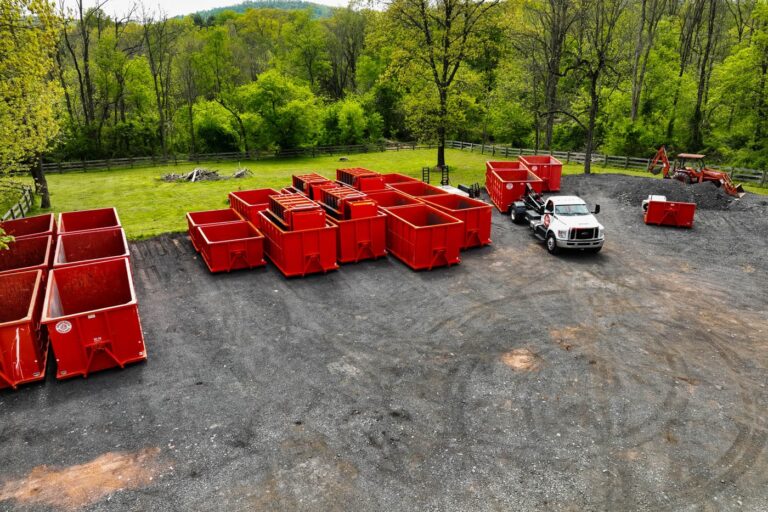
  • Choosing the Right Dumpster for Every Stage of Your Project: A Comprehensive Guide

    Choosing the Right Dumpster for Every Stage of Your Project: A Comprehensive Guide

    Waste management is an essential aspect of any project, whether it’s a home renovation, a large-scale construction build, or a community cleanup. Selecting the right dumpster for each stage of your project can save time, reduce costs, and streamline operations. With a variety of dumpster sizes and types available, understanding how to match the right container to your needs is key to efficient waste disposal.

    This guide takes a step-by-step approach to help you choose the best dumpster for your project’s requirements and ensures you maximize its utility.

    Planning and Preparation

    The first stage of any project involves assessing the scope and estimating the volume and type of waste you’ll generate. Proper preparation ensures you choose a dumpster that fits your needs without incurring unnecessary costs.

    1. Evaluate Project Scope

    • Small-Scale Projects: Cleanouts, small renovations, or yard work typically generate manageable waste.
    • Medium-Scale Projects: Kitchen remodels or multi-room cleanouts create a mix of heavier debris and general trash.
    • Large-Scale Projects: Entire home renovations, roof replacements, or commercial construction often require high-capacity dumpsters.

    2. Identify Waste Types

    • Household Waste: Old furniture, clothing, and general clutter.
    • Construction Debris: Concrete, drywall, and wood.
    • Organic Waste: Grass clippings, soil, and tree branches.

    Choosing the Dumpster Size

    Dumpsters come in various sizes, measured in cubic yards. Selecting the right size prevents overpaying for excess capacity or needing multiple rentals.

    1. Common Dumpster Sizes

    • 10-Yard Dumpster: Ideal for small projects like a garage cleanout or yard debris removal.
    • 20-Yard Dumpster: Perfect for medium-sized projects, such as bathroom renovations or partial home remodels.
    • 30-Yard Dumpster: Designed for large-scale cleanouts, extensive renovations, or light construction debris.
    • 40-Yard Dumpster: Best for major construction sites or projects generating a high volume of waste.

    2. Consider Loading Efficiency

    • A smaller dumpster might suffice if you’re efficient in breaking down waste, like flattening boxes or compacting debris.
    • For bulky or heavy items, opt for a larger dumpster to avoid exceeding weight limits.

    Selecting the Right Dumpster Type

    Different projects require dumpsters with specific features. Choosing the correct type improves efficiency and ensures compliance with waste disposal regulations.

    1. Residential Dumpster Rental

    • Suited for home projects like decluttering, moving, or minor renovations.
    • Compact and driveway-friendly, making them easy to place near your work area.

    2. Construction Dumpster Rental

    • Designed for heavy-duty materials such as concrete, asphalt, and roofing shingles.
    • Equipped to handle larger volumes and frequent use.

    3. Specialty Dumpsters

    • Roll-Off Dumpsters: Convenient for projects with high waste turnover, as they’re easy to load and transport.
    • Recycling Dumpsters: Dedicated containers for recyclables like metal, cardboard, and glass.

    Placement and Accessibility

    Strategic placement of your dumpster is crucial for maximizing efficiency and safety during your project.

    1. Placement Tips

    • Choose a level, stable surface to prevent tipping or shifting during loading.
    • Avoid obstructing driveways, walkways, or areas needed for other equipment.
    • Place the dumpster close to the primary work zone to minimize trips.

    2. Check Local Regulations

    • Obtain permits if the dumpster will be placed on public property, like streets or sidewalks.
    • Ensure placement complies with HOA or community guidelines, if applicable.

    Efficient Loading Practices

    Proper loading techniques save space, reduce costs, and ensure safety during transport.

    1. Layer Heavier Items

    • Start with heavy materials, such as concrete or bricks, to create a stable base.
    • Distribute weight evenly to prevent the dumpster from becoming unbalanced.

    2. Maximize Space

    • Break down large items like furniture or cardboard to fit more into the container.
    • Avoid leaving gaps by stacking waste neatly.

    3. Follow Weight Limits

    • Each dumpster has a maximum weight capacity—exceeding this can result in additional fees or logistical issues.
    • For dense materials like soil or concrete, consult your rental provider about weight restrictions.

    Sustainability and Waste Reduction

    Adopting eco-friendly practices during your project minimizes environmental impact and promotes responsible waste management.

    1. Separate Recyclables

    • Keep items like metal, glass, and plastic apart from general waste.
    • Check if your dumpster rental provider supports recycling initiatives.

    2. Repurpose and Donate

    • Items in good condition, such as furniture or appliances, can be donated instead of discarded.
    • Repurpose wood or metal scraps for future projects.

    3. Avoid Prohibited Items

    • Hazardous materials like chemicals, electronics, and batteries require special disposal methods and shouldn’t be placed in standard dumpsters.

    Scheduling and Pickup

    Once your project is complete, efficient pickup and disposal ensure the site is left clean and ready for its next use.

    1. Coordinate with the Provider

    • Schedule a pickup date that aligns with the project’s timeline to avoid additional rental fees.
    • Notify the provider in advance if you need extra time or another container.

    2. Perform a Final Check

    • Ensure the dumpster is not overfilled and that all items comply with the rental agreement.
    • Clear the area around the dumpster to facilitate easy pickup.

    Benefits of Working with Professional Dumpster Rental Services

    Partnering with an experienced provider streamlines the entire waste management process.

    1. Expertise and Guidance

    • Providers like Axis Dumpsters offer advice on selecting the right size and type of container for your specific project.

    2. Reliable Scheduling

    • Prompt delivery and pickup keep your project on schedule without delays caused by overflowing debris.

    3. Environmentally Friendly Practices

    • Many rental companies prioritize recycling and responsible disposal, ensuring compliance with local regulations.

    Conclusion

    Choosing the right dumpster at every stage of your project ensures efficient waste management, cost savings, and environmental responsibility. By assessing your needs, selecting the appropriate size and type, and following best practices for loading and disposal, you can simplify cleanup and keep your project on track.

    For dependable solutions, Axis Dumpsters offers tailored services for residential and construction projects, helping clients manage waste with ease and professionalism. Whether you’re clearing out a home or managing a large-scale build, the right dumpster makes all the difference.

  • Maximizing Efficiency: How to Care for and Replace Refrigerator Gaskets

    Maximizing Efficiency: How to Care for and Replace Refrigerator Gaskets

    Refrigerator gaskets play a crucial role in maintaining your appliance’s efficiency by sealing the door and preventing cold air from escaping. Over time, these gaskets can wear out, leading to higher energy consumption and reduced cooling performance. Proper care and timely replacement are essential for extending the lifespan of your refrigerator and ensuring it operates at peak efficiency.

    This article offers practical tips on caring for refrigerator gaskets, recognizing signs of wear, and replacing them effectively to maintain energy efficiency.

    Understanding the Importance of Refrigerator Gaskets

    Refrigerator gaskets are rubber or flexible seals that run along the edges of the appliance door. Their primary function is to create an airtight seal, preventing warm air from entering and cold air from escaping.

    1. Energy Efficiency

    • Gaskets ensure your refrigerator maintains a consistent temperature, reducing the workload on the compressor.
    • A faulty gasket can lead to higher energy consumption as the appliance struggles to compensate for the temperature loss.

    2. Food Preservation

    • By keeping the cold air in, gaskets help maintain the freshness of stored food.
    • Leaky gaskets can cause uneven cooling, leading to spoiled or compromised items.

    3. Cost Savings

    • Properly functioning gaskets reduce energy bills by minimizing the strain on your refrigerator.
    • Regular maintenance prevents costly repairs or premature appliance replacement.

    Caring for Refrigerator Gaskets

    Routine maintenance can significantly extend the life of your refrigerator gaskets, ensuring they perform effectively.

    1. Clean Regularly

    • Use a soft cloth and a mild cleaning solution of warm water and soap to wipe down the gasket.
    • Avoid abrasive cleaners that can damage the rubber material.

    2. Inspect for Damage

    • Check for cracks, tears, or signs of wear that compromise the seal’s integrity.
    • Perform a simple paper test: close the door on a piece of paper and try to pull it out. If it slides out easily, the gasket may need attention.

    3. Lubricate Occasionally

    • Apply a thin layer of petroleum jelly or a specialized rubber conditioner to keep the gasket supple and prevent it from drying out.
    • This step is especially important in low-humidity environments.

    4. Avoid Overloading the Door

    • Excessive weight from stored items can cause the gasket to warp or lose its shape.
    • Distribute weight evenly across door shelves to minimize strain.

    Recognizing When to Replace Refrigerator Gaskets

    Even with proper care, gaskets can deteriorate over time. Knowing when to replace them ensures your refrigerator continues to operate efficiently.

    1. Visible Damage

    • Cracks, tears, or sections that have separated from the door frame are clear signs of wear.

    2. Loss of Flexibility

    • A gasket that feels brittle or stiff is less likely to form a proper seal.

    3. Increased Energy Bills

    • If you notice a sudden spike in energy consumption, a faulty gasket might be the culprit.

    4. Condensation or Frost Buildup

    • Leaky gaskets allow warm air to enter, leading to moisture or frost inside the refrigerator.

    How to Replace a Refrigerator Gasket

    Replacing a gasket is a straightforward process that can be done without professional assistance if you have the right tools and preparation.

    1. Gather Necessary Materials

    • New gasket (ensure it’s compatible with your refrigerator model).
    • Screwdriver or wrench (if needed to loosen screws or brackets).
    • Warm water to soften the new gasket for easier installation.

    2. Remove the Old Gasket

    • Carefully peel off the old gasket, starting at one corner.
    • If screws or clips hold the gasket in place, loosen them without removing them completely.

    3. Prepare the New Gasket

    • Soak the new gasket in warm water for a few minutes to make it more pliable.
    • Wipe down the door frame to remove any debris or residue.

    4. Install the New Gasket

    • Align the gasket with the door frame, pressing it into place.
    • Tighten screws or clips to secure it, ensuring the gasket is evenly seated.

    5. Test the Seal

    • Close the door and inspect for gaps or misalignment.
    • Perform the paper test to confirm the gasket is sealing properly.

    Maintaining Energy Efficiency with Reliable Gaskets

    Replacing refrigerator gaskets promptly prevents energy loss and ensures your appliance operates efficiently. Reliable Gaskets USA offers high-quality gasket solutions designed to fit a variety of refrigerator models, helping homeowners maintain their appliances with ease.

    Additional Tips for Maximizing Refrigerator Efficiency

    Beyond maintaining gaskets, there are other steps you can take to ensure your refrigerator remains energy-efficient.

    1. Keep the Coils Clean

    • Dust and debris on condenser coils can reduce cooling efficiency.
    • Use a vacuum or coil brush to clean them every six months.

    2. Set the Right Temperature

    • Maintain a consistent temperature between 35°F and 38°F for the refrigerator and 0°F for the freezer.
    • Avoid setting temperatures too low, as this can overwork the compressor.

    3. Organize the Interior

    • Avoid overpacking the refrigerator to allow for proper air circulation.
    • Group similar items together for easy access and minimal door-opening time.

    4. Close the Door Quickly

    • Minimize the time the refrigerator door is open to reduce cold air loss.
    • Consider organizing frequently used items in the door or front shelves for easy retrieval.

    Benefits of Regular Maintenance

    Taking a proactive approach to maintaining your refrigerator and its gaskets offers long-term advantages.

    1. Longer Appliance Lifespan

    • Well-maintained gaskets reduce strain on the compressor, extending the overall lifespan of your refrigerator.

    2. Consistent Performance

    • A properly sealed refrigerator maintains consistent cooling, preserving food quality and safety.

    3. Reduced Environmental Impact

    • Lower energy consumption decreases your carbon footprint, contributing to a more sustainable home.

    Conclusion

    Refrigerator gaskets are small yet vital components that significantly impact your appliance’s efficiency and performance. By caring for your gaskets, recognizing when they need replacement, and taking steps to maximize overall efficiency, you can save on energy costs and extend the life of your refrigerator.

    For dependable solutions, Reliable Gaskets USA provides high-quality refrigerator gaskets designed to meet your needs. Keep your appliances in top condition with proper maintenance and timely replacements to enjoy optimal performance year-round.

  • Protecting Your Belongings: The Role of Storage in Modern Moves

    Protecting Your Belongings: The Role of Storage in Modern Moves

    Moving can be a complex process, especially when you’re dealing with timelines that don’t align perfectly. Perhaps your new home isn’t ready yet, or you’re downsizing and need time to sort through belongings. Whatever the reason, storage plays a crucial role in modern moves, offering a safe and flexible solution for managing your items during transitions.

    This article delves into the benefits of incorporating storage into your move, types of storage solutions available, and how professional movers like Town & Country Moving can streamline the process for a stress-free experience.

    When Storage Becomes Essential

    Certain moving scenarios make storage not just convenient but essential.

    Common Reasons for Using Storage During a Move

    1. Timing Gaps: If your move-out and move-in dates don’t align, temporary storage ensures your belongings are secure in the interim.
    2. Downsizing: Moving to a smaller space may require storing items until you can decide what to keep, donate, or sell.
    3. Renovations: Storing furniture and belongings during renovations prevents damage and keeps the space clear for contractors.
    4. Long-Distance Moves: For relocations requiring phased transitions, storage provides a staging area for your items.

    Storage adds flexibility to your moving plan, helping you navigate challenges with ease.

    Types of Storage Solutions

    Not all storage is created equal. Understanding the options available helps you choose the right solution for your needs.

    Self-Storage Units

    • How It Works: Rent a secure unit where you can store items for as long as needed.
    • Benefits: Accessible, cost-effective, and available in various sizes.
    • Best For: Individuals who need occasional access to their belongings.

    Full-Service Storage

    • How It Works: Movers pick up your items, transport them to a storage facility, and deliver them to your new location when needed.
    • Benefits: Convenient and hands-off, ideal for those with tight schedules.
    • Best For: Busy professionals or families relocating long distances.

    Climate-Controlled Storage

    • How It Works: Units are maintained at a consistent temperature and humidity level to protect sensitive items.
    • Benefits: Prevents damage to electronics, artwork, antiques, and other valuables.
    • Best For: Items that are temperature-sensitive or irreplaceable.

    By selecting the right storage type, you can ensure your belongings are safe and well-preserved during your move.

    Preparing Your Items for Storage

    Proper preparation is key to keeping your belongings in good condition while in storage.

    Steps to Pack for Storage

    1. Sort and Declutter: Remove items you no longer need to avoid paying for unnecessary storage space.
    2. Use Quality Materials: Invest in sturdy boxes, packing tape, and protective materials like bubble wrap.
    3. Label Clearly: Mark each box with its contents and intended room for easier unpacking later.
    4. Disassemble Furniture: Break down large furniture pieces to save space and prevent damage.
    5. Protect Valuables: Wrap fragile items in bubble wrap and use padding for electronics and glassware.

    Taking these steps ensures your belongings remain safe and organized throughout their time in storage.

    Advantages of Storage During a Move

    Integrating storage into your moving plan provides several practical benefits.

    Flexibility

    • Store items temporarily or long-term depending on your needs.
    • Adjust your move-in timeline without feeling rushed to unpack everything at once.

    Security

    • Professional storage facilities offer advanced security features, including surveillance cameras, gated access, and individual unit locks.

    Space Optimization

    • Keep your new space uncluttered by storing seasonal or rarely used items.
    • Use storage as a staging area for furniture and décor while arranging your new home.

    These advantages make storage an invaluable tool for both short-term and long-term moves.

    Storage Solutions for Specialty Items

    Certain belongings require extra care and attention when stored.

    Artwork and Antiques

    • Use climate-controlled units to prevent damage from humidity or temperature fluctuations.
    • Wrap each piece individually in acid-free materials.

    Electronics

    • Remove batteries to prevent leaks during storage.
    • Store devices in their original packaging or use padded boxes for protection.

    Seasonal Items

    • Keep holiday decorations, winter clothing, and outdoor equipment in labeled bins for easy retrieval.

    Specialized storage solutions ensure your most valuable items remain in pristine condition.

    Tips for Choosing the Right Storage Provider

    Not all storage facilities are the same. Selecting the right provider ensures your items are in good hands.

    Key Considerations

    • Security Features: Look for facilities with 24/7 monitoring, gated access, and secure locks.
    • Proximity: Choose a location near your home or workplace for added convenience.
    • Accessibility: Ensure the facility offers flexible hours or 24/7 access if needed.
    • Reputation: Read reviews and ask for recommendations to find a trusted provider.

    Working with a professional Southern California moving company often simplifies the process, as they can coordinate storage logistics on your behalf.

    Combining Storage with Other Moving Services

    Storage isn’t just a standalone service—it integrates seamlessly with other moving-related needs.

    Packing and Storage

    Professional packers can prepare your belongings for storage, ensuring they are protected and organized for easy access later.

    Junk Removal and Storage

    Clear out unwanted items before storing the rest, reducing clutter and storage costs.

    Shipping and Storage

    For long-distance moves, storing items temporarily before shipping them to their final destination provides added flexibility.

    These combined services streamline your move and reduce the effort required on your part.

    Common Mistakes to Avoid with Storage

    To make the most of your storage experience, steer clear of these common pitfalls.

    Overpacking Boxes

    • Avoid cramming too many items into a single box, as this increases the risk of damage.

    Forgetting Insurance

    • Check if your homeowner’s or renter’s insurance covers items in storage. If not, consider purchasing additional coverage.

    Skipping an Inventory

    • Create a detailed inventory of all stored items to avoid misplacing or forgetting belongings.

    Avoiding these mistakes ensures your storage experience is smooth and worry-free.

    Long-Term Storage Considerations

    For items stored over extended periods, regular maintenance is essential.

    Regular Inspections

    • Visit the storage unit periodically to check for signs of damage or pests.
    • Rearrange items to prevent heavy boxes from crushing lighter ones.

    Climate Control Adjustments

    • Monitor temperature-sensitive items during seasonal changes to ensure they remain undamaged.

    Taking these precautions keeps your items in excellent condition for as long as they’re stored.

    Conclusion

    Storage is an invaluable resource for modern moves, providing flexibility, security, and peace of mind. Whether you’re dealing with timing gaps, downsizing, or long-distance relocations, incorporating storage into your moving plan simplifies the process and protects your belongings. With expert assistance from providers like Town & Country Moving, you can seamlessly integrate storage with other services to ensure a smooth and stress-free transition.

  • How to Handle Last-Minute Moves Without the Chaos

    How to Handle Last-Minute Moves Without the Chaos

    Moving is often a carefully planned process, but life doesn’t always cooperate. Whether due to a job relocation, unexpected personal circumstances, or a sudden opportunity, last-minute moves can be overwhelming. However, with the right approach and mindset, even an urgent relocation can be handled efficiently and with minimal stress.

    This article provides practical strategies for managing last-minute moves, from packing tips to enlisting the help of a trusted moving company, all while staying organized and on track.

    Create a Quick Plan

    Even with limited time, a solid plan is essential to avoid chaos.

    Prioritize Tasks

    • List Immediate Needs: notifying utilities, and arranging house cleaning services for the old or new property.
    • Set Realistic Deadlines: Break the process into manageable steps based on your moving timeline.

    Delegate Where Possible

    • Ask friends or family to help with packing, organizing, or watching children or pets.
    • Hire professional movers for packing and transportation to save time and energy.

    A concise plan keeps you focused on what matters most, even in a time crunch.

    Sort and Declutter Efficiently

    When time is short, focus on reducing the number of items you need to pack and transport.

    Rapid Decluttering

    1. Divide Quickly: Sort items into categories: keep, donate, recycle, and discard.
    2. Let Go of Non-Essentials: If you haven’t used something in the past year, it’s likely not worth taking.
    3. Skip Perfection: Avoid overthinking—focus on making quick decisions to keep the process moving.

    Donation and Disposal

    • Donation Centers: Many charities accept last-minute donations and may even offer pick-up services.
    • Trash and Recycling: Arrange for a bulk trash pick-up or visit your local recycling center to dispose of items responsibly.

    Decluttering lightens your load, making packing and unpacking faster and more efficient.

    Gather Supplies

    You may not have time to shop around for supplies, but resourcefulness can go a long way.

    Sourcing Packing Materials Quickly

    • Local Stores: Visit grocery or liquor stores for free boxes—they often have sturdy options ideal for moving.
    • What You Have on Hand: Use suitcases, laundry baskets, and tote bags to pack items.
    • Get Creative: Towels, blankets, and old newspapers can replace bubble wrap and packing paper.

    Having the right supplies, even improvised ones, ensures your belongings are protected during transit.

    Pack Smartly and Rapidly

    Packing efficiently is key to saving time and minimizing stress.

    Room-by-Room Packing

    • Start with Non-Essentials: Pack items you use infrequently, such as books, off-season clothing, or decorative items.
    • Keep Essentials Separate: Prepare an essentials box with items like toiletries, medications, and a few changes of clothes.

    Streamline the Process

    • Don’t Over-Organize: It’s okay to mix items from different rooms if it saves time.
    • Label Boxes Simply: Write the room and a brief description of the contents to streamline unpacking.
    • Use Large Boxes Wisely: Avoid overfilling large boxes with heavy items—stick to lighter belongings like linens.

    Packing with speed and purpose helps you stay on schedule without sacrificing safety.

    Enlist Professional Help

    For last-minute moves, working with a moving company can significantly reduce your workload and stress.

    Benefits of Hiring Movers

    • Quick Turnaround: Professionals can handle packing, loading, and transportation efficiently.
    • Expertise: Movers know how to secure belongings safely for transit, even on a tight timeline.
    • Flexibility: Many companies offer expedited services for urgent relocations.

    When searching for movers, consider a reliable provider like Tera Moving Services to ensure a smooth and timely relocation.

    Manage the Details

    In the rush of a last-minute move, it’s easy to overlook important logistical details.

    Notify Relevant Parties

    • Utilities: Arrange for final meter readings and service transfers or cancellations.
    • Change of Address: Update your address with the post office, banks, and other key institutions.
    • Schools and Employers: Notify schools or workplaces of your move and provide updated contact information.

    Taking care of these details ensures a seamless transition and avoids unnecessary disruptions after the move.

    Stay Flexible

    Last-minute moves rarely go exactly as planned, so maintaining flexibility is essential.

    Expect the Unexpected

    • Prepare for delays, such as heavy traffic or last-minute adjustments to your plan.
    • Have a backup plan for items that don’t fit in the moving truck or can’t be packed in time.

    Adapt on the Fly

    • Stay calm and focus on problem-solving rather than perfection.
    • Enlist additional help if needed, even if it’s at the last minute.

    Flexibility keeps the process moving forward, even when challenges arise.

    Post-Move Tips for Settling In

    After the rush of a last-minute move, taking the time to settle into your new home is just as important.

    Unpack Essentials First

    • Begin with the essentials box to ensure you have what you need for the first few days.
    • Prioritize unpacking one room at a time, starting with the kitchen or bedrooms.

    Take Inventory

    • Check for any missing or damaged items and address them promptly.
    • Organize belongings as you unpack to avoid clutter and maintain a sense of order.

    A gradual, organized approach helps you regain control and feel at home in your new space.

    The Upside of a Last-Minute Move

    While last-minute moves can be challenging, they also offer unique benefits.

    Less Time to Overthink

    With a tight deadline, you’re less likely to dwell on minor details, making decisions faster and more efficiently.

    Opportunity for a Fresh Start

    Decluttering and downsizing often lead to a cleaner, more organized home in your new space.

    Learning to Adapt

    Handling an urgent move strengthens problem-solving skills and adaptability, valuable traits in any situation.

    By focusing on the positives, you can approach the move with confidence and clarity.

    Conclusion

    Last-minute moves don’t have to be chaotic. With a clear plan, efficient packing, and support from a trusted moving company, you can turn an urgent relocation into a manageable and even rewarding experience. Whether it’s finding creative solutions or staying flexible, each step contributes to a smoother process.

    For those in need of professional assistance, Tera Moving Services offers reliable, timely solutions to help you navigate the challenges of a last-minute move. With the right approach, you can settle into your new home quickly and stress-free.

  • SFM Compile: A Comprehensive Guide to Understanding and Using SFM for Animation

    SFM Compile: A Comprehensive Guide to Understanding and Using SFM for Animation

    Introduction

    In the realm of animation, Source Filmmaker (SFM) has become a powerful tool that allows users to create cinematic-quality animations. Whether you’re a beginner or an experienced animator, mastering SFM can elevate your creative potential. In this article, sfm compile we will explore what SFM is, how to use it, and provide detailed guidance on compiling and rendering animations within this software. By the end of this guide, you’ll have a comprehensive understanding of SFM compile and how to leverage its capabilities for stunning animations.

    What is Source Filmmaker (SFM)?

    Source Filmmaker is a 3D animation software developed by Valve Corporation. It was originally designed for creating machinima (animated films created using video game engines) using assets from Valve’s popular games like Team Fortress 2, Portal, and Half-Life. SFM allows users to manipulate game models, environments, and physics to create high-quality animations for film, video, or personal projects.

    With its user-friendly interface and robust features, SFM has gained popularity not just among game enthusiasts but also among aspiring animators who want to create visually appealing animations without the need for advanced 3D modeling software. Tsfm compilehe ability to directly import assets from Valve’s games provides an immediate advantage for animators looking to get started quickly.

    Key Features of Source Filmmaker

    Before diving into the compile process, it’s important to understand the features of SFM that make it a unique and valuable tool for animation:

    Real-time 3D Rendering

    SFM allows animators to work in a real-time 3D environment, meaning you can see the effects of your changes instantly. This helps to visualize the ansfm compileimation and scene composition while working on it.

    Asset Library

    Source Filmmaker supports a vast array of assets from Valve’s game libraries. You can import 3D models, textures, and animations, making it easier to set up characters, props, and environments for your animation project.

    Rigging and Animation Tools

    SFM provides a comprehensive set of tools for rigging (binding 3D models to skeletons) and animating characters. With these tools, animators can make characters move, talk, and interact with their environment.

    Lighting and Camera Controls

    Just like in a real film studio, SFM offers sfm compilein-depth control over lighting and camera positioning. You can adjust light sources, shadows, and camera angles to create the perfect atmosphere and visual style for your animation.

    Timeline-Based Workflow

    The timeline interface in SFM allows users to precisely control animations, transitions, and effects. It’s an intuitive way to manage your project over time, making it easier to adjust the timing of animations.

    Understanding SFM Compile: What It Is and Why It’s Important

    When working with Source Filmmaker, one of the most crucial aspects of the animation process is compiling your project. The term “compile” in SFM refers to the process of converting your raw animation work into a final rendered movie or video file.

    Why Compile?

    Compiling is essential for creating a polished, shareable product. During the compiling process, SFM takes the animation sequences, textures, lighting, and effects you’ve set up and processes them into a playable video. This step is vital as it finalizes the animation, ensusfm compilering everything appears smooth and professional.

    Compiling also involves rendering your animation at a high resolution, which ensures that the final product will look as clear and detailed as you intended, especially for high-definition displays.

    How to Compile Your SFM Animation: A Step-by-Step Guide

    Now that we understand the importance of thesfm compile compile process, let’s break down the steps to properly compile an animation in Source Filmmaker.

    Step 1: Preparing Your Project

    Before you can start compiling, ensure that your SFM project is ready for final output. This includes:

    • Reviewing your scene: Check all animations, characters, lighting, and props to ensure everything is in place.
    • Previewing your work: Use SFM’s preview function to play through your animation. This will help you catch any errors or areas that need adjustment before you begin the compile process.
    • Checking render settings: Make sure the render settings are optimized for your desired output, such as the resolution, frame rate, and video format.

    Step 2: Configuring the Compile Settings

    SFM provides a range of settings to adjust before compiling. Here are a few important options to configure:

    • Output file format: Choose between formats like .mp4 or .avi, depending on what you need.
    • Resolution: Decide whether you want a standard resolution (e.g., 1080p) or a custom one based on your project needs.
    • Frame rate: Most animations are rendered at 30 or 60 frames per second (fps), but this can be adjusted as required.

    Step 3: Selecting the Scenes to Compile

    If your animation is large or complex, it’s a good idea to divide it into smaller scenes. This can make the compile process more efficient and less likely to crash due to large file sizes.

    Step 4: Initiating the Compile Process

    Once all settings are configured, you can initiate the compile process. SFM will process all the data and begin rendering the animation, which can take some time depending on the complexity and length of your project.

    Step 5: Reviewing the Final Product

    After the compile process is complete, review the rendered video. Watch it from start to finish, checking for issues like inconsistent lighting, stuttery animations, or rendering errors. If needed, make adjustments and recompile.

    Common SFM Compile Issues and How to Fix Them

    While compiling your project, you might encounter some common issues. Here are some typical problems and solutions:

    Compilation Errors

    Sometimes, SFM may throw errors during the compilation process, such as missing assets or corrupted files. To resolve this:

    • Double-check that all necessary files are included in your project.
    • Restart SFM and reload your project to ensure everything is properly initialized.

    Low-Quality Output

    If your rendered video doesn’t meet your expectations in terms of quality, try increasing the resolution and frame rate in the render settings. You might also want to use anti-aliasing to smooth jagged edges in your animation.

    Performance Lag

    If SFM is running slowly during the compile process, it could be due to your computer’s performance limitations. Consider lowering the resolution and turning off certain effects to speed up the process.

    Conclusion: Mastering SFM Compile for Better Animations

    Source Filmmaker is an excellent tool for animators looking to create professional-grade animations using assets from popular games. The compilesfm compile process is an essential step to turn your raw animation project into a polished, shareable video. By following the steps outlined in this guide, you can ensure that your animations are both high-quality and optimized for viewing on a variety of devices.

    Remember, SFM is a versatile tool, and with patience and practice, you’ll be able to harness its full potential. Don’t hesitate to explore tutorials, join communities, and experiment with different features to refine your animation skills.

    Frequently Asked Questions (FAQs)

    1. What is the best way to optimize my SFM project for compiling?

    To optimize your project for compiling, minimize the use of heavy assets and reduce the complexity of your scene. Simplify textures, reduce particle effects, and adjust lighting to prevent performance lag.

    2. Can I compile animations directly to YouTube or other platforms from SFM?

    No, SFM does not offer direct integration with platforms like YouTube. However, you can compile your animation to a video file (e.g., .mp4) and then upload it manually to your chosen platform.

    3. How long does it take to compile an animation in SFM?

    The time it takes to compile an animation depends on several factors, including the length of the animation, the complexity of the scene, and the hardware specifications of your computer. For larger projects, it may take several hours or more.

    4. Can I use custom models in SFM?

    Yes, you can import custom models into SFM. Many users create or download custom models to enhance their animations, and SFM supports a variety of file formats for 3D models.

    5. Is SFM beginner-friendly?

    While SFM has a learning curve, especially for beginners, it offers a range of tutorials and a supportive community. With practice, you’ll be able to create complex animations and gain proficiency with the software.