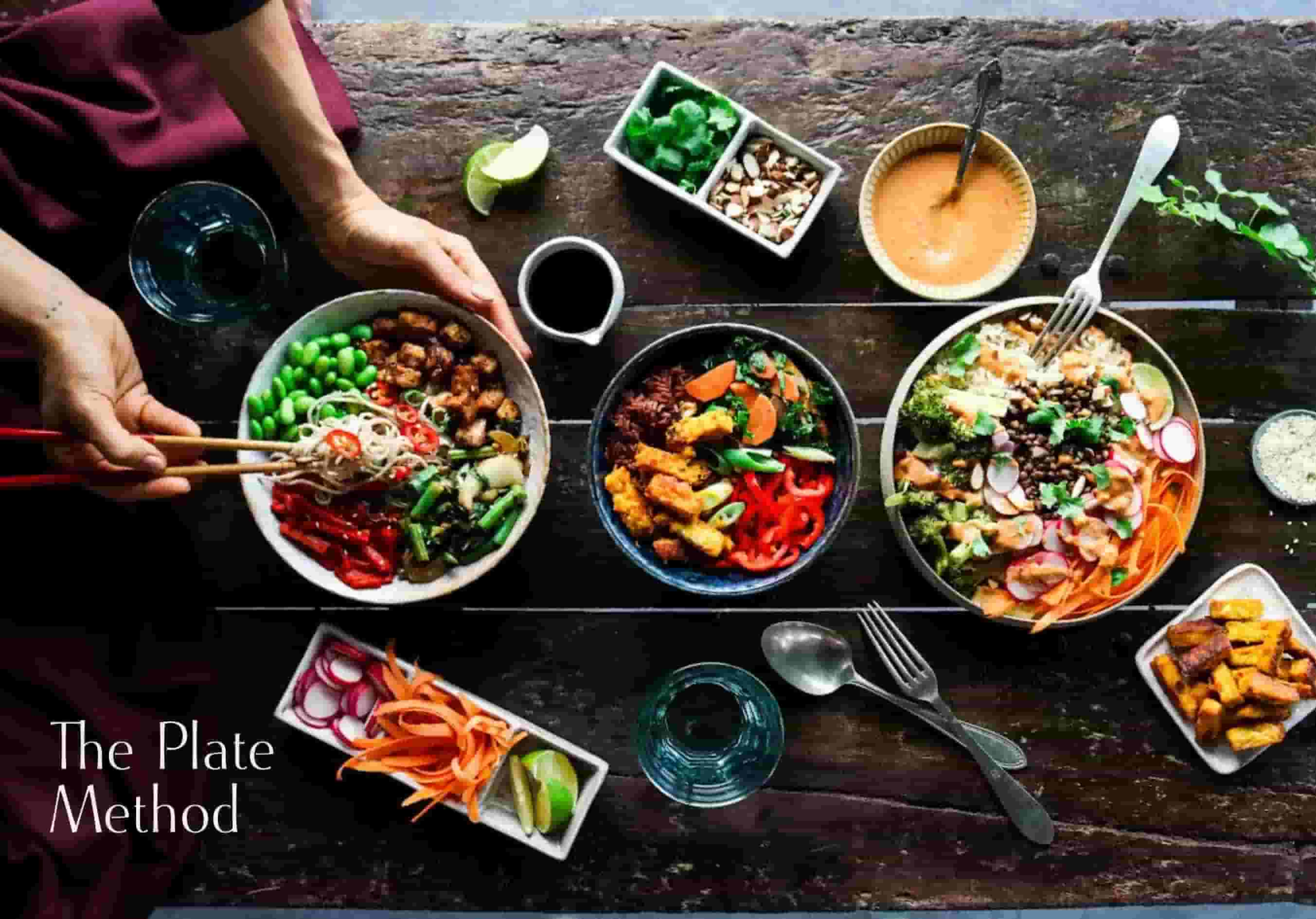
Vegan NAD Precursor Foods are plant-based foods that provide nutrients involved in normal NAD-related metabolism, especially niacin, also called vitamin B3, and tryptophan, an amino acid that can contribute to niacin equivalents. This is a more precise way to think about “NAD foods” than assuming a vegan meal delivers large amounts of ready-made NAD.
Many NAD food lists start with turkey, chicken, tuna, salmon, beef, or liver. That can make plant-based eaters feel like the category is mostly animal-based. It is not. Mushrooms, peanuts, whole grains, legumes, seeds, soy foods, avocado, fortified foods, and balanced plant protein choices can all fit into a vegan NAD precursor plate. Secrets Of The Tribe treats this as practical nutrition literacy: build the meal first, then think about supplements only if there is a real reason.
This article does not provide medical advice. Vegan foods, niacin, tryptophan, NAD precursor foods, NR, NMN, or dietary supplements are not intended to diagnose, treat, cure, or prevent aging, fatigue, metabolic disorders, cognitive decline, mitochondrial disease, skin conditions, or any disease. If you are under 18, pregnant or breastfeeding, taking medication, managing a health condition, or considering high-dose vitamin B3 or NAD-related supplements, ask a qualified healthcare professional before use.
What Are Vegan NAD Precursor Foods?
Vegan NAD precursor foods are plant-based foods that provide nutrients your body can use in normal NAD-related pathways. The main everyday nutrients to understand are niacin and tryptophan.
Niacin is vitamin B3. Tryptophan is an amino acid found in protein-containing foods. The body can convert some tryptophan into niacin equivalents.
So a vegan NAD precursor plate is not about chasing “pure NAD.” It is about building a balanced plant-based meal with vitamin B3 sources, protein sources, whole foods, and enough overall nutrition.
Quick Answer: Best Vegan Food Categories to Start With
| Food Category | Why It Helps the Plate | Simple Examples |
|---|---|---|
| Mushrooms | Plant-forward niacin source | Portobello, cremini, white mushrooms, shiitake |
| Peanuts and nuts | Niacin, calories, fat, and plant protein | Peanuts, peanut butter, almonds |
| Whole grains | Niacin, fiber, steady meal base | Brown rice, oats, whole wheat, barley, quinoa |
| Legumes | Plant protein and tryptophan context | Lentils, chickpeas, black beans, kidney beans |
| Soy foods | Higher-protein vegan option | Tofu, tempeh, edamame, soy milk |
| Seeds | Plant protein, minerals, and meal texture | Sunflower seeds, pumpkin seeds, sesame, chia |
| Fortified foods | May provide added niacin and other B vitamins | Fortified cereals, enriched grains, nutrition drinks |
Do Vegan Foods Contain NAD Directly?
Some foods may contain NAD-related compounds because NAD exists in living cells. But that is not the most useful way to plan a vegan diet.
For everyday meals, it is more practical to focus on niacin, tryptophan, and balanced nutrient intake. These are the terms that show up in nutrition references and food composition discussions.
When an article says “vegan NAD foods,” it usually means foods that support normal NAD production through precursors, not foods that act like NAD supplements.
Why Niacin Matters for NAD
Niacin is vitamin B3. The body uses vitamin B3 forms to make NAD and NADP, which are coenzymes involved in normal cellular metabolism.
Plant-based foods such as nuts, legumes, grains, mushrooms, and fortified products can contribute niacin. Some grain-based niacin may be less bioavailable when naturally bound, but enriched and fortified foods can also add usable niacin.
This is why a varied plant-based plate works better than relying on one “superfood.”
Why Tryptophan Matters for Vegan Meals
Tryptophan matters because it can contribute to niacin equivalents. Protein foods such as soy, beans, lentils, seeds, nuts, oats, and quinoa provide amino acids, including tryptophan.
Nutrition references commonly estimate that about 60 milligrams of tryptophan can equal 1 milligram of niacin equivalent. This does not mean tryptophan is the same as niacin, but it explains why protein adequacy matters.
For vegan meals, protein is part of the NAD precursor conversation.
What Are Niacin Equivalents?
Niacin equivalents are a nutrition measurement that counts niacin plus the contribution from tryptophan conversion.
One niacin equivalent usually equals 1 milligram of niacin or about 60 milligrams of tryptophan. This helps explain why both niacin-rich plant foods and protein-rich plant foods matter.
For a vegan plate, niacin equivalents are more useful than vague “NAD food” language.
How to Build a Vegan NAD Precursor Plate
Build the plate from three parts: a plant protein, a niacin-friendly base or side, and a colorful vegetable or fat source. Then add seeds, nuts, or fortified foods when they fit the meal.
A simple example could be tofu with brown rice, mushrooms, greens, and sesame seeds. Another could be lentil chili with beans, whole grain bread, avocado, and pumpkin seeds.
The goal is not perfection. The goal is a repeatable meal structure.
Simple Vegan Plate Formula
| Plate Part | What to Choose | Why It Fits |
|---|---|---|
| Protein anchor | Tofu, tempeh, lentils, beans, chickpeas, edamame | Supports tryptophan and overall protein intake |
| Niacin-friendly ingredient | Mushrooms, peanuts, brown rice, whole grains, fortified foods | Adds vitamin B3 context |
| Fiber-rich base | Oats, quinoa, barley, whole wheat, legumes | Builds a filling meal pattern |
| Healthy fat and texture | Avocado, tahini, peanut sauce, seeds, nuts | Makes the meal more satisfying |
| Vegetables | Greens, peppers, broccoli, carrots, tomatoes | Adds micronutrient variety and volume |
Which Mushrooms Fit a Vegan NAD Precursor Plate?
Mushrooms are one of the most useful plant-forward foods for this topic because they can provide niacin and fit many meals.
White mushrooms, cremini, portobello, shiitake, oyster, and other culinary mushrooms can be added to stir-fries, grain bowls, soups, tacos, pasta, and breakfast scrambles.
Do not treat mushrooms as a magic NAD food. Use them as one practical ingredient in a varied plant-based pattern.
Why Peanuts Are Often Mentioned
Peanuts are commonly listed in niacin food discussions because they can provide vitamin B3, plant protein, and calories in a compact food.
Peanut butter can make vegan meals easier when appetite, budget, or time is limited. It can be used in oatmeal, smoothies, sauces, toast, noodle bowls, or snacks.
Choose plain or lower-sugar versions when possible if you use peanut butter regularly.
Why Whole Grains Matter
Whole grains help provide niacin, fiber, carbohydrates, and meal structure. Brown rice, oats, barley, whole wheat, millet, quinoa, and whole grain breads can all fit into vegan NAD precursor meals.
Some naturally occurring niacin in grains can be bound and less bioavailable, but whole grains still contribute to overall nutrition. Enriched and fortified grain products may also provide added niacin.
A mix of whole grains and legumes works better than relying on one grain every day.
Why Legumes and Soy Foods Matter
Legumes and soy foods matter because they provide plant protein. Protein foods provide amino acids, including tryptophan, which can contribute to niacin equivalents.
Lentils, beans, chickpeas, split peas, tofu, tempeh, edamame, and soy milk can all help make a vegan plate more complete.
For many vegan eaters, soy foods are especially practical because they are protein-dense and easy to build meals around.
Why Seeds Can Upgrade the Plate
Seeds add protein, minerals, fat, texture, and calories. Pumpkin seeds, sunflower seeds, sesame seeds, hemp seeds, chia seeds, and flax seeds can all fit into vegan meals.
Seeds are easy to add to oatmeal, salads, soups, grain bowls, smoothies, toast, and roasted vegetables.
They should complement the meal, not replace the main protein anchor.
Where Avocado Fits
Avocado often appears in wellness food lists because it is plant-based, satisfying, and nutrient-dense. It is not the strongest niacin anchor compared with foods like peanuts or mushrooms, but it can help build a balanced plate.
Avocado adds fat, texture, and meal satisfaction. It pairs well with beans, tofu, whole grains, seeds, and vegetables.
Think of avocado as a supportive ingredient, not the main NAD precursor food.
Why Fortified Foods Can Help Vegan Diets
Fortified foods can help vegan diets because they may provide added B vitamins, including niacin, and sometimes other nutrients that require attention in plant-based eating.
Fortified cereals, enriched breads, nutrition drinks, and some plant milks can contribute to daily intake. However, labels vary.
Read the Nutrition Facts panel rather than assuming all fortified foods provide the same amount.
What About NR and NMN Supplements?
NR and NMN are NAD-related supplement ingredients. They are different from food-based niacin and tryptophan intake.
A vegan person does not need to jump straight to NR or NMN simply because many NAD food lists focus on animal foods. A plant-based diet can still include niacin and tryptophan sources.
Supplements create a different safety and label-reading conversation, especially for minors, medication users, pregnant or breastfeeding people, and people with medical conditions.
Why “More NAD Precursors” Is Not the Goal
The goal is not to push as many NAD-related terms into your diet as possible. The goal is adequate nutrition from a balanced pattern.
Too much focus on one molecule can distract from the basics: enough calories, protein, fiber, vitamins, minerals, sleep, hydration, and consistent meals.
Secrets Of The Tribe takes a cautious editorial stance here: NAD language should not turn ordinary vegan food into anti-aging hype.
Sample Vegan NAD Precursor Meal Ideas
A tofu mushroom rice bowl can include tofu, brown rice, sautéed mushrooms, greens, sesame seeds, and avocado.
A lentil and peanut stew can include lentils, peanut sauce, tomatoes, spices, greens, and whole grain bread.
A breakfast bowl can include oats, soy milk, peanut butter, chia seeds, banana, and fortified nutritional yeast when appropriate.
A chickpea quinoa salad can include chickpeas, quinoa, roasted mushrooms, sunflower seeds, peppers, greens, and tahini dressing.
How to Use Nutritional Yeast Carefully
Nutritional yeast is popular in vegan diets and may be fortified with B vitamins depending on the product. Some products contain added niacin and vitamin B12, while others may not.
Check the label. Do not assume every nutritional yeast has the same nutrient profile.
If you already use multivitamins or B-complex supplements, count fortified foods as part of your total routine.
Who Should Be Careful With Niacin Supplements?
People should be careful with high-dose niacin supplements because supplemental niacin can cause side effects, especially at higher amounts. Nicotinic acid can cause flushing, and high-dose use may require medical supervision.
Extra caution matters for minors, pregnant or breastfeeding people, medication users, and people with liver disease, diabetes, gout, kidney disease, ulcers, low blood pressure, or chronic health conditions.
Food-based niacin and high-dose niacin supplements are not the same situation.
Vegan NAD Precursor Foods Checklist
Use this checklist to build a plant-based meal pattern around niacin, tryptophan, and normal NAD precursor nutrition. The goal is a realistic plate, not a supplement-driven shortcut.
Start With a Protein Anchor
Choose tofu, tempeh, edamame, lentils, beans, chickpeas, or soy milk to support protein and tryptophan intake.
Add a Niacin-Friendly Food
Include mushrooms, peanuts, peanut butter, whole grains, fortified cereals, or enriched grain products when they fit the meal.
Use Whole Grains
Build meals with brown rice, oats, whole wheat, quinoa, barley, millet, or other grain bases for energy and fiber.
Add Seeds or Nuts
Use pumpkin seeds, sunflower seeds, sesame, hemp, chia, flax, peanuts, or almonds for texture and nutrient variety.
Include Vegetables
Add greens, peppers, broccoli, mushrooms, tomatoes, carrots, or other vegetables to broaden the nutrient profile.
Check Fortified Foods
Read labels on cereals, plant milks, nutrition drinks, and nutritional yeast for added niacin and other B vitamins.
Do Not Chase Pure NAD
Focus on niacin and tryptophan from foods instead of assuming meals contain meaningful amounts of ready-made NAD.
Separate Food From Supplements
NR, NMN, B-complex, and high-dose niacin products require a different safety conversation than food.
Review Your Health Context
Medication use, age, pregnancy, breastfeeding, liver concerns, diabetes, gout, kidney disease, and chronic conditions should trigger professional guidance before supplement use.
Common Mistakes to Avoid
Thinking Vegan Diets Lack NAD Precursors
Vegan diets can include niacin and tryptophan sources through mushrooms, peanuts, legumes, soy foods, grains, seeds, and fortified foods.
Chasing One Superfood
No single food needs to carry the whole plate. Variety works better.
Ignoring Protein
Tryptophan comes from protein-containing foods, so vegan meals should include a clear protein anchor.
Confusing Food With NR or NMN
Food-based niacin and tryptophan are not the same as isolated NAD precursor supplements.
Forgetting Fortified Foods
Fortified cereals, plant milks, and nutritional yeast can change B-vitamin intake.
FAQ about Vegan NAD Precursor Foods
What are vegan NAD precursor foods?
They are plant-based foods that provide niacin, tryptophan, or nutrients involved in normal NAD-related metabolism.
Do vegan foods contain NAD directly?
Some foods may contain NAD-related compounds, but practical vegan planning focuses on niacin and tryptophan.
Which vegan foods provide niacin?
Mushrooms, peanuts, whole grains, legumes, seeds, enriched grains, and fortified cereals can contribute niacin.
Which vegan foods provide tryptophan?
Soy foods, beans, lentils, chickpeas, seeds, nuts, oats, and quinoa can contribute tryptophan as part of protein intake.
Are mushrooms good vegan NAD precursor foods?
Yes. Mushrooms can contribute niacin and fit easily into plant-based meals.
Are peanuts good for niacin?
Yes. Peanuts are a practical plant-based niacin source and also provide protein and fat.
Do vegans need NR or NMN supplements?
Not automatically. A vegan diet can include niacin and tryptophan foods, while supplements require separate professional review.
Is nutritional yeast a good niacin food?
It depends on the label. Some nutritional yeast is fortified with B vitamins, including niacin, while products vary.
Can high-dose niacin supplements cause side effects?
Yes. High-dose niacin can cause side effects and should not be used casually without professional guidance.
Glossary
NAD
Nicotinamide adenine dinucleotide, a coenzyme involved in normal cellular metabolism.
NAD Precursor
A compound the body can use in pathways related to NAD production.
Niacin
Vitamin B3, an essential nutrient used to form NAD and NADP.
Tryptophan
An amino acid that can contribute to niacin equivalents in the body.
Niacin Equivalent
A measurement that includes niacin plus the contribution from tryptophan conversion.
NR
Nicotinamide riboside, a vitamin B3-related compound marketed as an NAD precursor.
NMN
Nicotinamide mononucleotide, a compound often discussed in NAD-related supplement marketing.
Fortified Food
A food with added nutrients, such as added B vitamins in cereals or plant-based products.
Nutritional Yeast
A deactivated yeast product often used in vegan diets; some versions are fortified with B vitamins.
Plant Protein
Protein from plant foods such as soy, beans, lentils, chickpeas, grains, nuts, and seeds.
Conclusion
Vegan NAD Precursor Foods are not about copying animal-based NAD food lists. A practical plant-based plate can use mushrooms, peanuts, soy foods, legumes, whole grains, seeds, vegetables, avocado, and fortified foods to support normal niacin and tryptophan intake.
Sources
Niacin health professional fact sheet explaining niacin, NAD, NADP, tryptophan conversion, niacin equivalents, plant food sources, and upper intake level, NIH Office of Dietary Supplements — ods.od.nih.gov/factsheets/Niacin-HealthProfessional
Consumer niacin fact sheet explaining vitamin B3 functions and food sources, NIH Office of Dietary Supplements — ods.od.nih.gov/factsheets/Niacin-Consumer
Niacin overview including food sources such as brown rice, fortified cereals and breads, nuts, seeds, legumes, and bananas, Harvard T.H. Chan School of Public Health — nutritionsource.hsph.harvard.edu/niacin-vitamin-b3
Food composition database for niacin and tryptophan values in mushrooms, peanuts, legumes, grains, soy foods, seeds, and fortified products, USDA FoodData Central — fdc.nal.usda.gov
Dietary Reference Intakes chapter for niacin explaining niacin equivalents, tryptophan contribution, RDA, and upper intake level, National Academies Press / NCBI Bookshelf — ncbi.nlm.nih.gov/books/NBK114304
Dietary supplement consumer guidance and label-reading basics, U.S. Food and Drug Administration — fda.gov/food/information-consumers-using-dietary-supplements/questions-and-answers-dietary-supplements
Supplement Facts label and serving-size guidance for dietary supplements, U.S. Food and Drug Administration — fda.gov/food/dietary-supplements-guidance-documents-regulatory-information/dietary-supplement-labeling-guide-chapter-iv-nutrition-labeling
Read More: onionplay.co.uk
About the Author