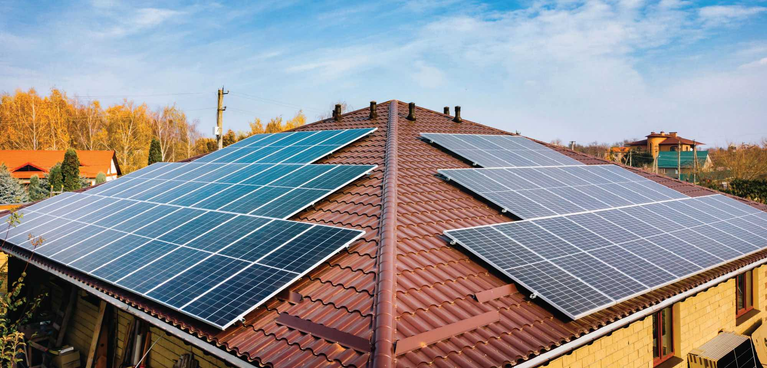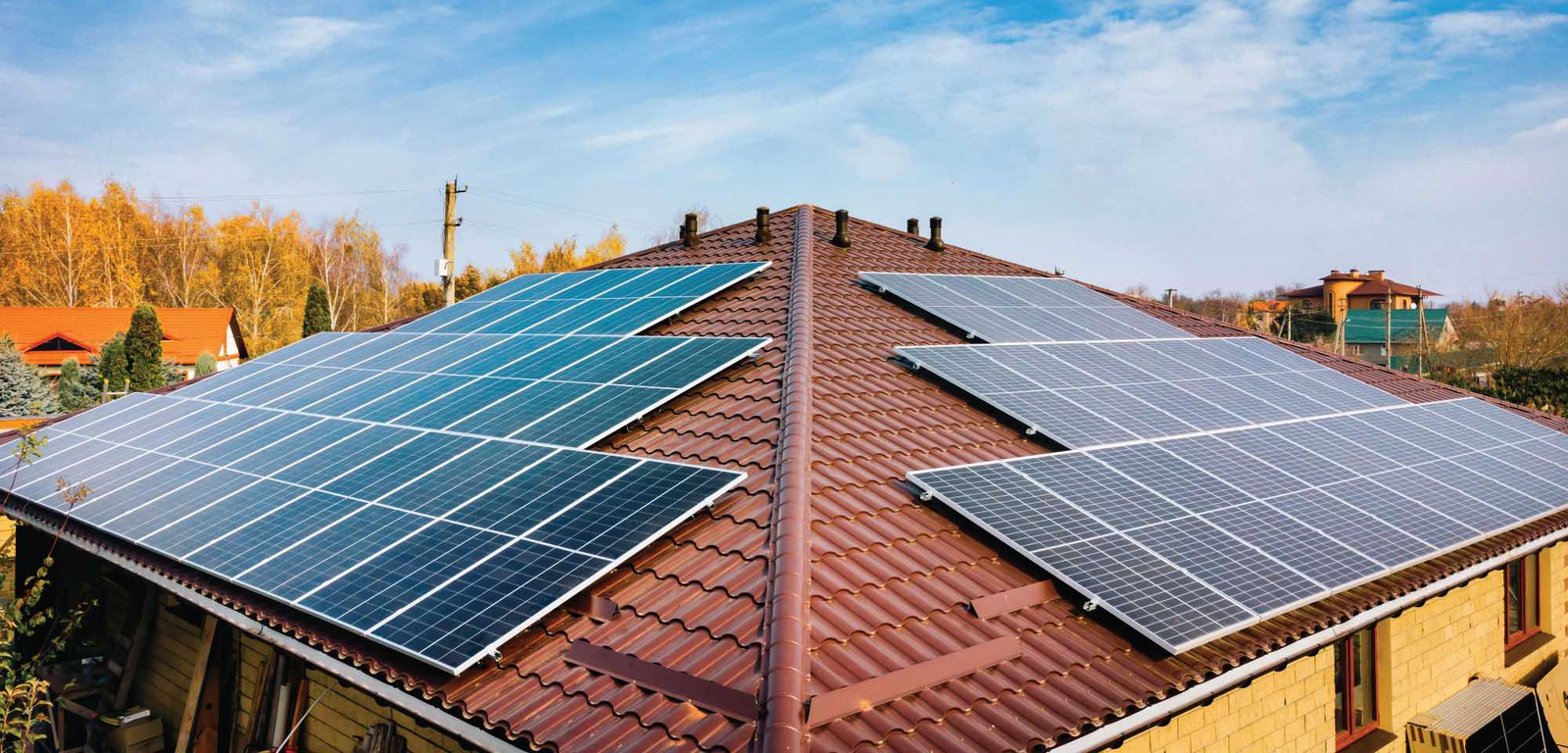
When planning home improvements, it is worth considering upgrades that can benefit your property in the long term. Domestic solar panels offer a practical way to generate renewable electricity, potentially reduce energy bills and improve your property’s overall energy efficiency.
Unlike some home improvements that focus mainly on appearance, solar panels can provide ongoing benefits by helping you generate electricity from daylight. They can also work alongside other technologies, such as battery storage and electric vehicle charging, to support a more energy-efficient household.
Whether you are renovating your property, looking to manage rising energy costs or simply hoping to make your home more sustainable, solar panels could be a worthwhile investment. Understanding their benefits and the factors to consider can help you decide whether they are right for your home.
Reducing Your Household Energy Bills
One of the main reasons homeowners choose solar panels is the potential to reduce electricity costs. By generating your own electricity, you can rely less on energy supplied by the grid.
The amount you save will depend on several factors, including the size of your solar panel system, how much electricity your household uses and how much of your generated power you consume directly. Your property’s location, roof orientation and shading will also influence how much electricity your panels produce.
Using more of your solar electricity during daylight hours can help you make the most of your system. For example, running suitable appliances when your panels are generating electricity may reduce the amount you need to buy from your supplier.
Although solar panels do not eliminate every household energy cost, they can help you manage your electricity use more effectively over time.
Improving Your Home’s Energy Efficiency
Energy efficiency is an important consideration when upgrading your home. Solar panels allow you to generate electricity on-site, helping you make better use of the renewable energy available to your property.
They can form part of a wider home improvement plan that includes better insulation, energy-efficient lighting and modern heating controls. While these measures work in different ways, combining them can help you reduce wasted energy and manage household consumption.
It is important to remember that solar panels generate electricity rather than directly improving your home’s insulation. For the best results, consider how renewable energy generation fits into your property’s wider energy needs.
If you are planning a major renovation, reviewing your energy requirements before choosing a system can help you decide on the most suitable improvements.
Making Your Home More Sustainable
If you want to reduce your household’s environmental impact, solar panels can be a useful addition to your property.
Solar panels generate electricity from daylight without burning fuel during operation. This can reduce your reliance on electricity from the grid and may lower your household’s associated carbon emissions, depending on the electricity they replace.
The environmental benefits will vary according to your energy consumption, the electricity mix in your area and the materials and manufacturing processes involved in producing the panels.
Nevertheless, generating renewable electricity at home is one way to take a more active role in managing your energy use. It can also complement other sustainable choices, such as reducing unnecessary electricity consumption and improving your home’s overall efficiency.
Making Better Use of Your Roof Space
Home improvements often involve finding ways to make better use of the space you already have. Solar panels can turn a suitable section of your roof into a source of electricity without taking up valuable garden or indoor space.
Before installation, your roof should be assessed to determine whether it can accommodate the panels safely and efficiently. Factors such as roof orientation, pitch, shading, available space and structural condition can all affect the suitability of your property.
In the UK, south-facing roofs often offer favourable conditions for solar generation, but east- and west-facing roofs can also work well. The most suitable arrangement will depend on your property and how you use electricity.
A professional assessment can help you understand the likely output of a proposed system and whether any roof repairs should be completed before installation.
Increasing Your Energy Independence
Generating electricity at home can give you greater control over where some of your household energy comes from. Rather than relying entirely on electricity supplied by the grid, you can use your solar panels to meet part of your daily demand.
The level of independence you achieve will depend on your system size, household consumption and the times when you use electricity. Solar panels generally generate more electricity during daylight hours, so you may still need to import power during the evening, overnight and periods of low generation.
Adding a compatible solar battery can help address this difference. A battery stores surplus electricity for use later, allowing you to make more of your own generated power available outside daylight hours.
However, battery storage involves an additional cost, so it is worth comparing the potential benefits with your household’s energy habits and budget before deciding whether to include one.
Preparing Your Home for Future Technology
Solar panels can also support other home improvements and technologies that use electricity.
For example, if you own or plan to buy an electric vehicle, solar generation may help supply some of the electricity used to charge it. With compatible equipment, you may be able to direct surplus solar electricity towards vehicle charging.
Solar panels can also work alongside battery storage, smart meters and energy monitoring apps. These technologies can help you understand your electricity generation and consumption, making it easier to identify opportunities to use energy more efficiently.
If you are planning several upgrades, it is worth considering how they will work together. Choosing compatible equipment and allowing for your likely future electricity needs can help you create a system that suits your household over the longer term.
Considering the Long-Term Value of Your Property
Home improvements can influence how a property performs and how attractive it may be to future buyers. Solar panels may appeal to people who value renewable energy generation and the possibility of lower electricity bills.
However, installing solar panels does not automatically increase a property’s market value. The effect will depend on factors such as the quality and age of the system, its ownership arrangements, its performance and local buyer demand.
If you are considering solar panels as part of a wider renovation, focus on the practical benefits they can deliver while you live in the property. Potential savings and improved energy management may be more relevant to your decision than an assumed increase in resale value.
Keeping installation records, warranties and maintenance information can also be helpful if you decide to sell your home in the future.
Choosing the Right Solar Panel System
Before committing to solar panels, take time to assess your property and household energy needs. The most suitable system will depend on your budget, available roof space, electricity consumption and the amount of energy you hope to generate.
It is worth considering the following points:
- Roof suitability: Check the roof’s condition, orientation, pitch and exposure to shade.
- System size: Choose a system based on your available space and typical electricity consumption.
- Installation quality: Use a suitably qualified and experienced installer who can assess your property and explain the proposed design.
- Total cost: Compare quotations and understand what is included, such as equipment, installation, monitoring and warranties.
- Future requirements: Consider whether you may want battery storage, an electric vehicle charger or other compatible technology later.
- Expected performance: Ask for realistic estimates of annual generation and potential savings, taking seasonal variations into account.
It is also important to understand the arrangements for exporting surplus electricity to the grid. Depending on your circumstances, an eligible export tariff may provide payments for electricity you do not use at home.
Taking these factors into account can help you choose a system that provides practical benefits without exceeding your budget.
The Bottom Line
Solar panels can be a valuable home improvement for homeowners looking to generate renewable electricity, manage household energy costs and make better use of their property’s roof space.
They can also support a wider approach to energy efficiency, sustainability and future home technology. When combined with suitable energy habits, monitoring tools or battery storage, solar panels can help you make more informed decisions about how your household uses electricity.
Before installing a system, assess your roof’s suitability, consider your current and future energy needs, and compare professional quotations carefully. With the right planning, solar panels can become a practical part of improving your home and managing its energy use for years to come.
About the Author