Free television with hundreds of channels and no subscription fee sounds too good to be true — so it is no surprise that “is Pluto TV legal” is one of the most common questions about the service. When a platform offers that much content for nothing, many viewers reasonably wonder whether there is a catch, whether the content is properly licensed, or whether they could get into trouble just for watching. The good news is straightforward: Pluto TV is a completely legal streaming service. But understanding why it is legal — and how to avoid the illegal imitators trading on its name — is worth a few minutes of your time.
In this article, we explain what Pluto TV is, who owns it, how its free business model works within the law, where the service is available, and the warning signs that distinguish the genuine platform from pirate copycats.
## What Is Pluto TV?
Pluto TV is a free, ad-supported streaming television service — often described as a FAST service, which stands for “free ad-supported streaming TV.” Instead of an on-demand library you browse like a traditional subscription platform, Pluto TV is organised largely like classic television: it offers hundreds of live linear channels streaming around the clock, alongside an on-demand section of movies and shows you can start whenever you like.
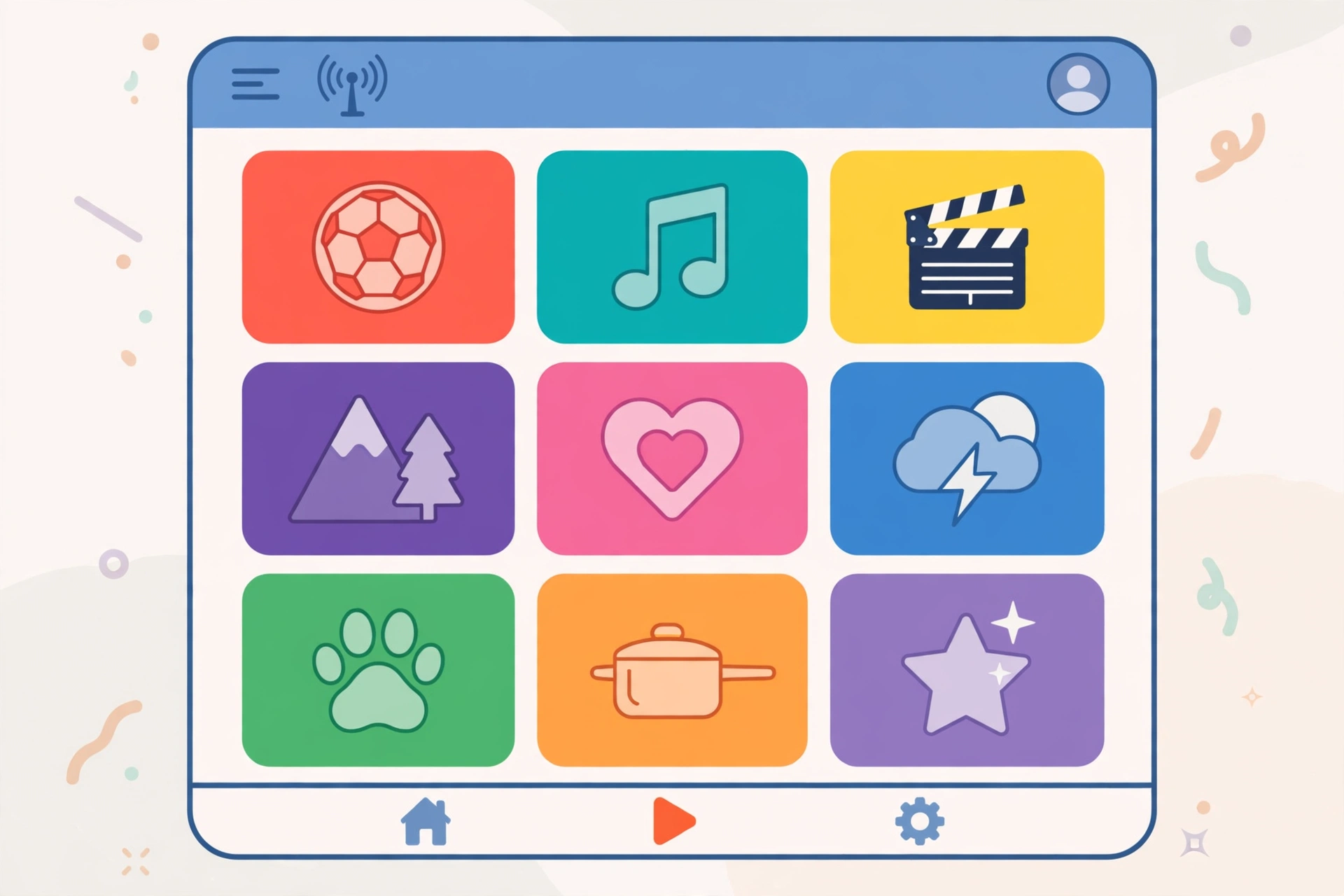
The channel lineup spans news, sports, movies, classic TV series, reality shows, kids’ programming, and niche interest channels covering everything from cooking to true crime. The service is available on virtually every major platform, including smart TVs, streaming sticks, phones, tablets, web browsers, and game consoles, and viewers can generally start watching without even creating an account.
## Yes — Pluto TV Is Legal
Pluto TV is fully legal. It is owned by Paramount, one of the world’s largest media and entertainment companies, and every piece of content on the platform is distributed under proper licensing agreements. Paramount either owns the content outright through its studios and networks or has licensed it from other rights holders through negotiated deals — the same way any television broadcaster operates.
This is a fundamentally different model from pirate streaming sites, which host or link to content without permission from the rights holders. Pluto TV’s apps are published by the verified company accounts in the Apple App Store, Google Play Store, Amazon Appstore, and smart TV app stores, and the service operates openly as a mainstream business with published terms of service and privacy policies. There is nothing grey-area about it: it is television, delivered over the internet, paid for by advertising.
## How Pluto TV Makes Money (and Why It Can Be Free)
The reason Pluto TV does not charge viewers is simple: advertisers pay instead. The commercial breaks you see during channels and on-demand programmes are sold to brands, and that advertising revenue funds the licensing costs, the technology platform, and the company’s operations. This is the same economic model that has powered broadcast television for decades — the only thing that has changed is the delivery method.
Understanding this model helps explain why legitimate free services look the way they do. A legal free platform will always have a visible revenue stream, usually advertising, and usually asks for nothing more than your attention. When a “free TV” site has no visible business model, no company name behind it, and no advertising from recognisable brands, that absence is itself a warning sign worth paying attention to.
## Where Is Pluto TV Available?
Pluto TV operates in many countries across the Americas, Europe, and beyond, with channel lineups tailored to each region because content licences are typically negotiated on a country-by-country basis. The service you see in one country will differ from the one in another, which is entirely normal for licensed streaming.
Because of these regional licences, some viewers use VPNs to access another country’s version of Pluto TV. It is worth knowing that doing so may conflict with the service’s terms of use, which generally require you to access the version intended for your location. This is a terms-of-service matter between you and the platform rather than a criminal issue, but it is sensible to read the terms for your region and make your own informed decision.
## The Risk Isn’t Pluto TV — It’s the Imitators
Just as with other popular free services, scammers and pirate operators exploit the Pluto TV name. The genuine service is safe and legal, but you should steer clear of anything that borrows the brand while breaking the rules:
– **”Pluto TV Pro” or “modded” apps:** There is no premium or unlocked version of Pluto TV. Third-party APK files and modified apps using the name are a common malware vector.
– **Clone websites:** Lookalike domains that mimic Pluto TV’s branding may host unlicensed streams or harvest personal data. Always check you are on the genuine domain.
– **Sites demanding payment or accounts for “full access”:** The real Pluto TV does not charge and does not require an account to watch, so any site asking for card details in exchange for Pluto TV content is a scam.
– **Aggressive pop-up streaming portals:** Pirate streaming sites often dress themselves up with familiar brand names. Endless pop-ups, redirect loops, and demands to disable your ad blocker or install a “player update” are hallmarks of unlicensed operations.
The official apps, available through the Pluto TV website and the major app stores, are the only versions you should ever install or use.
## Is Pluto TV Safe to Use?
Beyond legality, viewers also ask about safety — and here the answer is equally reassuring for the official service. Because Pluto TV does not require a subscription or, in most cases, even an account, there is very little personal or financial data at stake. You are not handing over card details, and the apps come from verified publishers in the official stores.
Like any ad-supported service, Pluto TV does collect some viewing and device data to personalise advertising, as described in its privacy policy. If that concerns you, you can limit ad tracking through your device’s privacy settings. What you should never do is download unofficial versions of the app or enter personal details on copycat sites, where the safety guarantees of the genuine platform do not apply.
## Red Flags: How to Tell When “Free TV” Isn’t Legal
Whether or not a site uses a familiar brand name, these are the classic signs of an unlicensed streaming operation:
– No identifiable company behind the service — no “about us” page, no corporate ownership, no contact details
– Content that is still in cinemas or has just left them, offered for free
– A domain that changes frequently or relies on mirror and proxy sites
– Demands to install browser extensions, “video players,” or software updates to watch
– No recognisable advertisers — just pop-ups, redirects, and suspicious download buttons
– Requests for cryptocurrency or gift card payments to “unlock” content
Pluto TV exhibits none of these traits. It is backed by a named, publicly accountable company, carries mainstream advertising, and publishes its corporate information openly.
## Frequently Asked Questions
**Is Pluto TV really free and legal?**
Yes. Pluto TV is owned by Paramount, licenses all of its content properly, and funds itself through advertising. Watching it through the official apps and website is completely legal.
**Do I need to create an account to watch Pluto TV?**
In most cases, no. One of Pluto TV’s advantages is that you can generally start watching immediately without signing up, which also means you share minimal personal data with the service.
**Can I get in trouble for watching Pluto TV?**
No. Because the service is licensed, simply watching it is lawful. Legal risk around streaming comes from unlicensed pirate sites, not from legitimate ad-supported platforms.
**Is Pluto TV safe for kids?**
Pluto TV includes dedicated kids’ and family channels with age-appropriate programming. As with any service that also carries general entertainment channels, parents should check what is on and supervise younger viewers rather than leaving the app running unattended.
**Why does Pluto TV show so many ads?**
Advertising is what pays for the service. The ad breaks fund content licensing and operations, which is exactly why viewers are not charged. Shorter ad loads are one of the trade-offs of the subscription tiers on paid platforms; on Pluto TV, ads are the price of free.
**Does Pluto TV work outside my country?**
Pluto TV is available in many countries, but the channel lineup varies by region due to licensing. Accessing another region’s catalogue may conflict with the terms of use, so check the terms that apply where you live.
## The Bottom Line
Pluto TV is legal, safe, and genuinely free — a mainstream streaming business owned by Paramount and funded by advertising, not a grey-area operation. The confusion comes from the pirate sites and scam apps that borrow its name, and from a healthy scepticism about anything offered for free. Stick to the official apps and website, enjoy the channels, and treat any “Pluto TV” that asks for payment, personal data, or software downloads as the imposter it is. If you are weighing up other streaming options too, our guide on whether Peacock is safe covers a similar story for NBCUniversal’s platform.
About the Author