Month: February 2025

  • Can Vehicle Graphics Damage My Car’s Paint? Debunking Common Myths

    Can Vehicle Graphics Damage My Car’s Paint? Debunking Common Myths

    You can make your business vehicles more than just a means of transport by wrapping them with signage. Turn them into a moving advertiser for your business with a professional look. Your vehicle can promote your business wherever it goes, capturing attention and leaving a lasting impression on potential customers. However, there are several myths that often demotivate or discourage car owners from using wraps. It can be the myth that vehicle signage can damage car paint, they are too costly, need frequent maintenance, or they don’t last long. Most of these claims don’t have any solid evidence to back them up, making them only myths.

    8 Common Myths About Car Wraps

    There have been several myths related to the side effects of using vehicle wraps or automotive customisation. Let’s debunk them so that you can make an informed decision:

    Wraps Can Damage Car Paint

    The most common myth about wraps is that graphics can damage your car paint. There is no such risk as long as there is no rust, flaking paint, or deep scratches. Just make sure to use quality signage for your business promotions. You can use car signage without worrying about any car damage risks.

    Wraps Cost More That Paint

    Many business owners think quality wraps are expensive, which isn’t true. Instead, wraps can be a more affordable option. Signage companies can customise your vehicle’s appearance with unique graphics, which will cost much less than a paint job. You can get creative designs that match your business personality without going over the budget.

    You Cannot Remove Wraps

    The wrap removal process is simple and safe when you use high-quality car signage made by reputed companies. High-quality vinyl decals peel off cleanly without leaving residue or affecting the car’s original paint. This quick removal reduces your business interruption and downtime.

    More Maintenance Are Required for Vinyl Wraps

    Another common myth is that vinyl wraps need more maintenance than paint. High-quality car decals made by reputed signage companies can prevent dirt buildup and extend the wrap’s life with minimal regular cleaning. Using mild soap and water is enough to keep the surface looking fresh. This low-maintenance option saves time and business owners can focus on other important aspects.

    Wraps Get Damaged Quickly

    High-quality vinyl wraps with UV protective coatings can withstand sun exposure and last multiple years. The durability of vehicle wraps makes them resistant to scratches, UV rays, and minor impacts. They hold up well in different weather conditions. Wraps also offer paint preservation by acting as a protective layer. For businesses, this durability ensures a long-term advertising solution by keeping your message intact.

    You Need to Wrap the Whole Car

    The best thing about wrapping, actually, is that it’s totally customisable. Let the signage team know about your desire or expectation regarding the customisation. They can design car graphics that you can use on specific parts like the hood, roof, or doors instead of adding graphics or decals to the whole car. Partial wraps are a popular choice for customisation, and they let you create unique designs for your brand.  It makes a more affordable approach without compromising the professional look of your business vehicles.

    DIY Wrapping Is Easy

    Not everyone can wrap a vehicle properly. Vehicle graphics application needs skill and precision so that the end result is professional and flawless. Professionals use special tools to apply adhesive vinyl smoothly. Incorrect installation can ruin the look and damage the wrap despite the quality of the wrap. Therefore, let professionals install wraps on your cars to maintain professionalism and brand image.

    Wrapping Affects Resale Value

    It’s true that wrapping has an impact on a car’s resale value, and that’s in a positive way. Expertly designed wraps protect the car’s original finish, ensuring automotive paint safety. This keeps the paint looking fresh and free from scratches or chips. Additionally, customised wraps improve the overall look of the car and make your vehicle stand out. In case you want to sell a current vehicle and buy a new one that will promote your business in more advanced ways, quality wraps can help get a good price for the car.

    Benefits of Car Wraps

    After debunking the myths, it’s easy to see the benefits of car wraps. They protect the car’s paint from damage and offer endless design options for personalisation. They are cost-effective compared to custom paint jobs. Car wraps advertise your business to a wide audience as you drive. They help increase brand visibility and create a professional image. It makes a lasting impression on potential customers.

    How to Choose the Right Wraps for Your Car?

    While the myths mentioned above aren’t true, it’s important to choose quality products for safety. Some of these myths may otherwise prove to be true when you make compromises with quality. So, here are some tips to find the right wraps for your vehicle.

    • Make sure there are no bevelled edges or sharp corners, as they affect both the adhesion and appearance.
    • Check carefully if the wrap adheres tightly to the vehicle’s surface to avoid wrinkles or looseness.
    • Opt for high-quality vinyl instead of cheap ones. Quality vinyl wraps offer higher durability, and show resistance to fading.
    • Ensure the wrap has a UV protection coating to avoid fading and sun damage.
    • Inquire about maintenance tips and choose the ones that require minimum care.
    • Source your car decals from reputed signage makers for quality assurance

    Final Words

    Though there are many myths spreaded, wraps actually offer many advantages. They protect the paint, allow customisation, and can be easily removed. Choose high-quality car wraps with high durability, UV protection, and strong adhesive. For durable, long-lasting, custom designs of wraps in Brisbane, contact Signage 4Business Group. They provide the best service with qualified graphics and flawless installation. They ensure cost-effective, non-aggressive advertising and more business exposure.
  • Why Local SEO, Design & eCommerce Strategy Matter for Melbourne & Brisbane Businesses

    In today’s fast-paced digital landscape, having a website isn’t enough — it needs to be visible, engaging, and built for conversion. Whether you’re a local Melbourne store or expanding into Brisbane, aligning your SEO, design, and eCommerce approach with your location and audience is critical.

    Boost Your Visibility with Local SEO Expertise

    When Melbourne businesses invest in specialised seo agency services, they level up their local search performance. Recent insights reveal that over 40% of clicks in local searches come from Google’s local pack — the results that showcase businesses right on the map. Optimising your Google Business Profile, maintaining accurate NAP listings, gathering reviews, and incorporating local keywords helps you consistently appear when customers search “near me” or “Melbourne” terms. With competition so tight across Melbourne, tapping into local SEO isn’t just smart — it’s essential for visibility and traffic.


    Design that Reflects the Melbourne Market

    Having a professional web design melbourne strategy ensures your site doesn’t just function — it connects emotionally with your local audience. Melbourne-based designers understand local design sensibilities, cultural trends, and user expectations. A site that’s visually compelling and easy to navigate can significantly reduce bounce rates and increase engagement. Tailored visual storytelling, intuitive navigation, and responsive layouts are non-negotiable in a market that values both style and usability.

    Build with Purpose: eCommerce that Connects

    Selling online? Your store needs more than a shopping cart — it needs strategic structure. A well-planned ecommerce website design focuses on seamless customer journeys, frictionless checkout, and mobile performance. Opting for a custom build or flexible framework allows your store to reflect your brand, differentiate in a crowded market, and scale with growing demand. In Melbourne’s competitive eCommerce space, thoughtful architecture and user-first design are key to standing out.

    Expanding into Brisbane? Lean on Local SEO Partners

    If you’re branching out into Queensland, it’s vital to adjust your digital strategy accordingly. An experienced seo agency brisbane optimises for Brisbane-specific search behaviours, local language nuances, and Google Maps rankings. Custom-focused optimisation ensures your brand ranks prominently when potential customers search for services or products in Brisbane — from storefront locations to service providers.

    Bringing It Together: A Winning Digital Strategy

    To recap, here’s how each component plays a crucial role:

    Digital ElementWhy It Matters for Melbourne & Brisbane BusinessesLocal SEOEnsures visibility in location-based searches, yielding more relevant traffic.Local Web DesignBuilds trust and engagement through culturally aligned aesthetics and usability.Strategic eCommerce BuildOffers flexibility, performance, and conversion-optimized user journeys.Regional SEO (for expansion)Tailors visibility to new markets like Brisbane with localised optimisation.

    Combining locally-tailored SEO, design, and eCommerce architecture empowers you to build digital experiences that resonate with your audience and drive long-term growth — whether you’re rooted in Melbourne or expanding into Brisbane.

  • Team Building 토토매니저: Stop Wasting Everyone’s Time

    Corporate America has a team building problem, and it’s not what you think. The 토토매니저 issue isn’t that we don’t do enough team building—it’s that we do too much of the wrong kind, and it’s actually making teams worse.

    The Trust Fall Fallacy

    Mandatory fun is an oxymoron. When you force introverted software developers to participate in icebreaker games or drag your accounting team to an escape room, you’re not building trust—you’re building resentment. Real teams aren’t formed through contrived activities designed by HR consultants who’ve never managed a actual project deadline.

    The uncomfortable truth is that most team building exercises are performed for managers, not teams. They make leadership feel like they’re “doing something” about team dynamics while avoiding the hard work of actually addressing underlying issues.

    The Real Trust Killers

    Want to know what destroys team cohesion? It’s not the lack of rope courses. It’s when managers say one thing and do another. It’s when credit gets hoarded at the top and blame flows downward. It’s when team members can’t rely on each other to deliver quality work on time. It’s when feedback is weaponized during performance reviews instead of given constructively in real-time.

    You can’t paintball your way out of fundamental 꽁머니 management failures.

    What Actually Works

    Teams bond through shared struggle toward meaningful goals, not shared awkwardness in conference rooms. They develop trust by consistently delivering for each other under pressure. They build relationships through solving real problems together, celebrating actual victories, and supporting each other through genuine challenges.

    Stop scheduling team building events and start building teams. Give them challenging projects that require collaboration. Remove obstacles that prevent them from succeeding. Recognize their achievements publicly. Address conflicts directly instead of hoping a group activity will magically resolve 먹튀검증 them.

    The strongest teams I’ve seen never went to a single trust exercise together. They simply worked on hard things, supported each other through failures, and celebrated real wins. Trust isn’t built through games—it’s earned through competence and consistency.

    Save the budget. Focus on the work.

  • The Comprehensive Benefits of Dental Implants for Your Long-Term Oral Health

    The Comprehensive Benefits of Dental Implants for Your Long-Term Oral Health

    The world of dentistry has seen immense advancements over the past few decades, and one of the most transformative innovations is dental implants. While many people are familiar with the cosmetic benefits of dental implants, there’s much more to their value than just aesthetics. Dental implants play a crucial role in maintaining and improving overall oral health, providing benefits that go far beyond replacing a missing tooth.

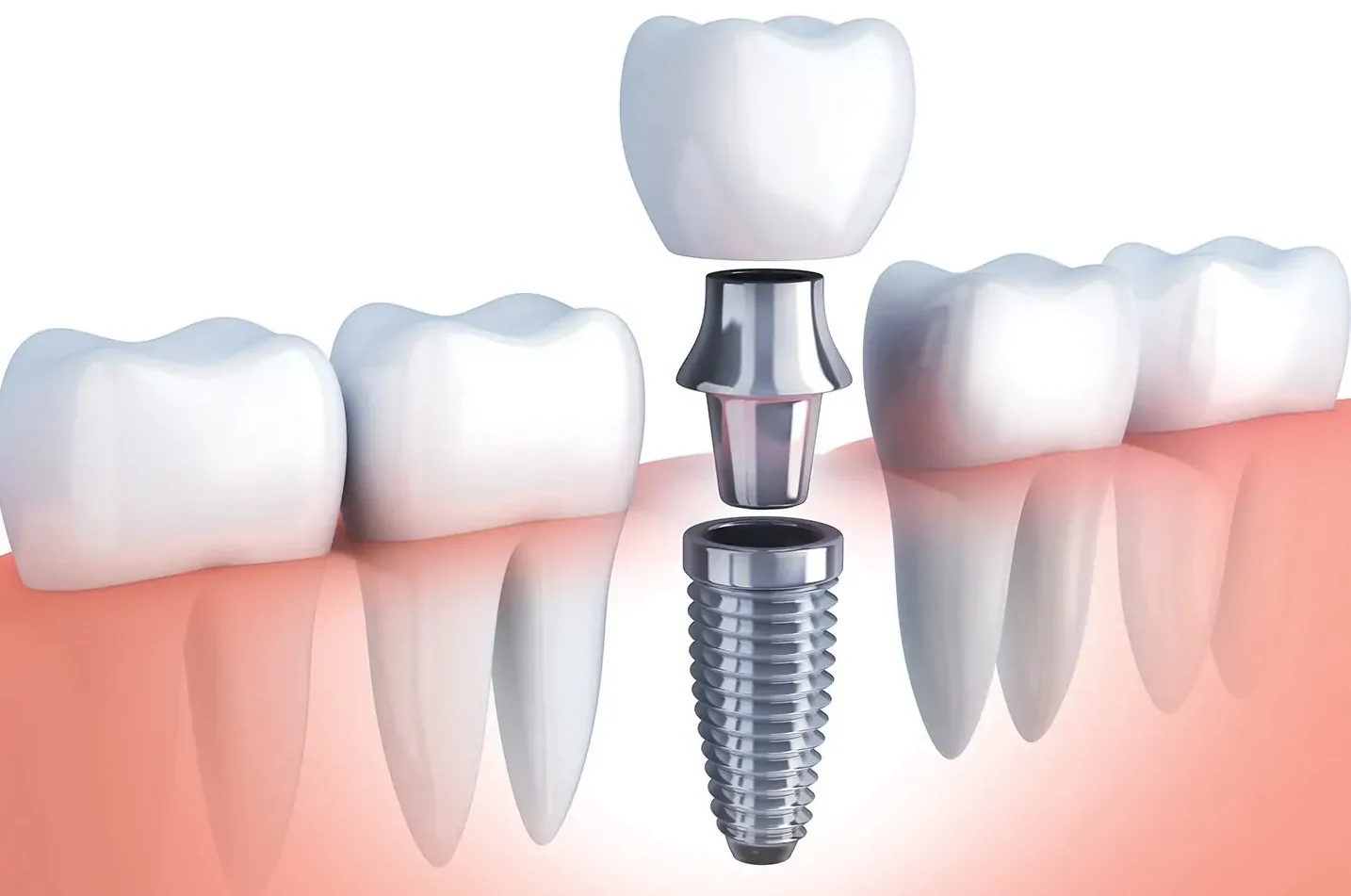
    At the Center For Implant Dentistry, we emphasize the importance of dental implants in promoting long-term oral health. Dental implants not only restore the appearance of a smile but also protect the function of your mouth, preserve the integrity of your jawbone, and help prevent other dental complications. Whether you’ve lost one tooth or several, dental implants offer an enduring solution that can vastly improve your quality of life.

    In this article, we will explore the comprehensive benefits of dental implants for your oral health. From enhancing bite function and preventing bone loss to improving self-esteem and oral hygiene, dental implants offer numerous advantages that contribute to both short-term comfort and long-term well-being.

    1. Preservation of Jawbone Health

    One of the most significant and often overlooked benefits of dental implants is their ability to preserve the health and strength of the jawbone. When a tooth is lost, the bone beneath it no longer receives the stimulation it once did from the tooth root during chewing and biting. Over time, this lack of stimulation causes the jawbone to deteriorate in a process known as bone resorption.

    Bone resorption not only weakens the jawbone but can also lead to changes in facial appearance, such as a sunken or hollow look. This process accelerates the longer the tooth remains missing. The installation of dental implants effectively prevents this bone loss by providing the necessary stimulation to the bone. The titanium implant fuses with the jawbone in a process known as osseointegration, mimicking the function of a natural tooth root and stimulating the bone to maintain its strength and structure.

    By preventing bone loss, dental implants help preserve the natural shape of your face and protect against further dental issues that may arise from weakened bone structure, such as additional tooth loss or bite problems.

    2. Improved Function and Comfort

    When you lose a tooth, the function of your mouth can be significantly affected. Gaps in your smile can interfere with biting, chewing, and speaking. Traditional solutions, such as dentures or bridges, may address some of these functional issues but often come with their own set of challenges, such as slippage, discomfort, and difficulty speaking clearly.

    Dental implants, on the other hand, are securely anchored into the jawbone, providing a stable foundation for the restorations (such as crowns, bridges, or dentures) placed on top. This means that dental implants offer superior functionality compared to other tooth replacement options. Patients with dental implants are able to bite, chew, and speak comfortably without worrying about their teeth shifting or causing irritation. The implant-supported restorations also restore the natural alignment of the teeth, ensuring a smooth, even bite.

    Whether you’re eating your favorite foods, talking with friends, or smiling confidently, dental implants give you the freedom to do so without the discomfort or limitations associated with traditional dentures.

    3. Prevention of Teeth Shifting and Bite Misalignment

    When you lose a tooth, the remaining teeth can shift over time to fill the gap. This can cause changes in your bite and lead to misalignment, which may result in difficulties with chewing, speaking, and even pain in the jaw. As your teeth shift, the pressure on the remaining teeth increases, leading to further wear, fractures, or damage.

    Dental implants prevent this problem by filling the gap left by the missing tooth and anchoring the neighboring teeth in place. Since the implant is securely integrated into the jawbone, it prevents neighboring teeth from drifting into the empty space. This helps maintain the integrity of your bite and ensures that your teeth remain properly aligned.

    By preventing shifting and misalignment, dental implants contribute to better overall oral function and protect the health of your other teeth and jaw joints.

    4. Long-Term Solution for Tooth Replacement

    Unlike traditional dentures or bridges, which may need to be replaced or adjusted over time, dental implants offer a long-term, permanent solution for missing teeth. Because they are made from durable titanium and fuse with the bone, dental implants are designed to last for decades, and in many cases, for a lifetime.

    With proper care, including good oral hygiene practices and regular dental checkups, dental implants can provide a reliable, low-maintenance solution to missing teeth. In contrast, traditional solutions like dentures may need to be relined, replaced, or adjusted frequently, leading to added costs and inconvenience.

    The durability and permanence of dental implants make them an excellent investment for your oral health. Whether you’re replacing one tooth or several, dental implants provide a secure and long-lasting foundation for your smile.

    5. Enhanced Aesthetic Results

    While the functional benefits of dental implants are crucial, their aesthetic advantages are equally important. Missing teeth can affect the appearance of your smile, making you self-conscious about how you look. Traditional dental solutions like bridges or dentures may not offer the same natural look or feel as dental implants, and over time, they may lose their aesthetic appeal.

    Dental implants are custom-designed to match the color, shape, and size of your natural teeth. The restorations placed on top of the implants are crafted to blend seamlessly with the surrounding teeth, ensuring that your smile looks natural and beautiful. Because dental implants are fixed in place, they don’t shift or slip, offering a more secure and aesthetically pleasing result than removable dentures or bridges.

    With dental implants, you can restore your smile to its natural beauty, enhancing both your appearance and your confidence.

    6. Better Oral Hygiene and Health

    Maintaining good oral hygiene is essential for overall health, and dental implants make it easier to keep your mouth clean and healthy. Unlike traditional dentures, which can trap food particles and bacteria under the surface, dental implants function just like natural teeth. This means you can brush and floss your implants just like you would your regular teeth, making it easier to maintain optimal oral hygiene.

    Dental implants also reduce the risk of gum disease and tooth decay because they are less likely to trap food particles or plaque. In contrast, removable dentures can cause irritation to the gums and make it difficult to maintain a thorough cleaning routine.

    By providing a stable, easy-to-clean solution, dental implants promote better oral hygiene, which can help you avoid additional dental issues such as gum infections or cavities.

    7. Improved Self-Esteem and Confidence

    The emotional and psychological benefits of dental implants are often as significant as the physical advantages. Many individuals with missing teeth feel self-conscious about their appearance, which can negatively impact their confidence and social interactions. The gaps left by missing teeth may cause people to avoid smiling or speaking freely, leading to lower self-esteem.

    Dental implants restore a full, natural-looking smile, helping patients feel more confident in their appearance. The improvement in appearance, function, and comfort that implants provide often leads to a significant boost in self-esteem. Patients with dental implants are more likely to smile, laugh, and speak freely without worrying about their teeth or feeling embarrassed.

    8. Support for Overall Health and Well-Being

    The impact of dental implants extends beyond oral health and aesthetics. Missing teeth can have a ripple effect on overall health. Difficulty chewing can lead to poor nutrition, as individuals may avoid certain foods that are difficult to eat without a full set of teeth. Moreover, missing teeth can lead to changes in the way a person speaks, affecting communication and quality of life.

    By restoring the ability to chew properly, dental implants support better nutrition and digestion. Additionally, improving speech and preventing the physical changes caused by bone loss can enhance overall well-being. When patients can eat the foods they enjoy, communicate effectively, and feel confident in their appearance, their overall quality of life improves significantly.

    Conclusion

    Dental implants offer a comprehensive solution that goes far beyond just improving the appearance of your smile. They provide vital benefits to your oral health, including the preservation of jawbone structure, prevention of tooth shifting, enhanced function, and better oral hygiene. Additionally, dental implants offer a long-term, low-maintenance solution for missing teeth that enhances self-esteem, confidence, and overall well-being.

    At the Center For Implant Dentistry, we are committed to helping our patients achieve optimal oral health and restore their smiles with the help of dental implants. If you have questions about dental implants or are ready to explore how they can improve your oral health, contact us today to schedule a consultation. We’re here to help you achieve the smile you’ve always dreamed of and support your long-term oral health.

  • Achieving Proper Air Balance in HVAC Systems: Why It Matters and How to Optimize It

    Achieving Proper Air Balance in HVAC Systems: Why It Matters and How to Optimize It

    Maintaining an efficient and well-functioning HVAC system requires more than just temperature control. One crucial but often overlooked aspect is air balance, which refers to the even distribution of air throughout a home or commercial space. When an HVAC system is out of balance, it can lead to inconsistent temperatures, higher energy costs, and unnecessary strain on heating and cooling components.

    This article explores the importance of air balance, the factors that disrupt it, and how homeowners and businesses can optimize their HVAC systems for improved comfort and efficiency.


    Understanding Air Balance in HVAC Systems

    Air balance ensures that every room receives the correct amount of conditioned air. Ideally, an HVAC system should distribute air evenly, preventing areas from becoming too hot or too cold. However, imbalances often occur due to various design and maintenance factors, resulting in inefficient operation and increased wear and tear on HVAC components.

    An unbalanced system can create a range of issues, including:

    • Temperature inconsistencies: Some rooms may feel much warmer or cooler than others.
    • Poor indoor air quality: Stale air or high humidity levels can develop in areas with inadequate airflow.
    • Increased energy consumption: HVAC systems work harder when airflow is restricted or uneven.
    • Pressure imbalances: Doors may slam shut unexpectedly or become difficult to open due to pressure differentials between rooms.

    Properly balancing an HVAC system ensures not only comfort but also optimal energy efficiency, reducing monthly utility bills and prolonging the lifespan of equipment.


    Common Causes of HVAC Air Imbalance

    Several factors contribute to an unbalanced HVAC system, many of which stem from improper installation, design flaws, or neglected maintenance. Understanding these causes can help in identifying and addressing the issues effectively.

    1. Inadequate Duct Design

    • Ducts that are too small or improperly routed restrict airflow to certain areas.
    • Poorly sealed ductwork allows conditioned air to escape before reaching its destination.
    • Long duct runs reduce airflow efficiency, making it difficult to maintain uniform temperatures.

    2. Incorrect Vent and Register Placement

    • Blocked or closed vents can reduce air circulation in certain rooms.
    • Supply and return vents should be positioned to promote even airflow distribution.
    • Furniture and large objects placed in front of vents can disrupt proper circulation.

    3. Improper HVAC Sizing

    • An oversized HVAC unit cools or heats too quickly, causing short cycling and uneven distribution.
    • An undersized system struggles to deliver sufficient airflow, leaving some rooms uncomfortable.

    4. Lack of Regular Maintenance

    • Dirty air filters restrict airflow, reducing the efficiency of the entire system.
    • Clogged ducts accumulate dust and debris, leading to airflow blockages.
    • Faulty dampers inside ducts fail to regulate air volume properly.

    5. Pressure Imbalances

    • Closing interior doors can create pressure differences between rooms, disrupting airflow.
    • Too many exhaust fans (such as kitchen or bathroom fans) can pull conditioned air out of a space, leaving it unbalanced.
    • Gaps around windows and doors may cause drafts, further affecting air movement.

    How to Achieve Proper HVAC Air Balance

    Optimizing air balance requires a combination of system design improvements, regular maintenance, and smart usage strategies. Below are practical steps to improve airflow and maximize HVAC efficiency.

    1. Adjust and Test Airflow with an HVAC Professional

    • A professional HVAC technician can measure airflow in different rooms using specialized tools such as anemometers.
    • Adjusting damper settings in ductwork can help regulate air distribution.
    • Technicians may perform a blower door test to detect leaks and imbalances.

    2. Keep Air Vents Open and Unobstructed

    • Never close more than 20% of supply vents, as this can strain the system.
    • Regularly check for and remove obstructions such as curtains, furniture, or rugs.
    • Install vent deflectors to redirect airflow in rooms where direct flow is blocked.

    3. Seal and Insulate Ductwork

    • Leaky ducts can waste up to 30% of conditioned air, making proper sealing essential.
    • Use mastic sealant or metal-backed tape to fix duct leaks.
    • Insulated ducts prevent temperature loss and maintain airflow efficiency.

    4. Install a Zoning System

    • Zoning divides a home into different climate-controlled sections, each with its own thermostat.
    • This allows for customized temperature settings, reducing energy waste and improving comfort.
    • A variable-speed HVAC system combined with zoning further enhances efficiency.

    5. Regularly Replace Air Filters

    • Change HVAC filters every 1-3 months to prevent clogs and improve airflow.
    • Consider using high-efficiency particulate air (HEPA) filters for better indoor air quality.

    6. Balance Pressure in Different Areas

    • Install transfer grilles or undercut doors to allow air to move freely between rooms.
    • If pressure issues persist, a technician can adjust duct dampers to correct imbalances.
    • Weatherproof windows and doors to eliminate drafts that impact airflow.

    Advanced Solutions for Air Balancing

    In addition to the steps above, several modern HVAC advancements can help achieve better air balance and overall efficiency.

    1. Smart Thermostats and Sensors

    • Smart thermostats adjust airflow based on room occupancy and temperature fluctuations.
    • Wireless sensors placed in different areas communicate with the HVAC system for precise adjustments.

    2. Energy Recovery Ventilators (ERVs)

    • ERVs improve ventilation by exchanging stale indoor air with fresh outdoor air while recovering lost energy.
    • These systems help maintain humidity balance and prevent indoor air stagnation.

    3. Variable Air Volume (VAV) Systems

    • VAV systems adjust the amount of air delivered to each room based on real-time demand.
    • Unlike traditional systems, they don’t run at full capacity all the time, increasing efficiency.

    4. Airflow Balancing Valves

    • These valves automatically adjust airflow distribution across different ducts.
    • They are particularly useful in commercial buildings with multiple zones.

    Conclusion

    Achieving proper air balance in an HVAC system is essential for maximizing comfort, efficiency, and indoor air quality. Whether through adjusting airflow manually, upgrading to a zoning system, or incorporating smart ventilation technology, homeowners and businesses can significantly improve their HVAC performance. Partnering with experienced professionals like Nardco Heating & Air Conditioning ensures that HVAC systems are properly balanced and maintained, leading to long-term energy savings and a more comfortable indoor environment. Taking proactive steps to optimize air circulation will not only enhance system performance but also contribute to a healthier and more efficient home or workplace.

  • The Hidden Costs of Neglecting Roof Maintenance and How to Avoid Them

    The Hidden Costs of Neglecting Roof Maintenance and How to Avoid Them

    A well-maintained roof is essential for protecting your home, improving energy efficiency, and preventing costly repairs. However, many homeowners delay or neglect regular roof maintenance, unaware of the hidden expenses that accumulate over time. Roof deterioration doesn’t happen overnight—it progresses gradually, often unnoticed until a serious problem arises. By understanding the financial and structural consequences of neglect, homeowners can take proactive measures to preserve their roofing system and avoid expensive surprises.

    This article explores the hidden costs of ignoring roof maintenance, how small issues escalate into major expenses, and the best practices for keeping your roof in optimal condition.

    The True Cost of Roof Neglect

    While skipping routine maintenance might seem like a cost-saving measure, it often leads to significantly higher expenses down the line. Here are some of the most common hidden costs associated with roof neglect:

    1. Expensive Emergency Repairs

    One of the most immediate financial consequences of poor roof maintenance is emergency repair costs. What could have been a minor fix—such as replacing a few missing shingles—can turn into a major repair involving structural damage, water infiltration, or extensive mold removal.

    • Example: A small leak ignored for months can lead to rotting roof decking, requiring costly structural reinforcement.
    • Cost Implication: Emergency repairs are often more expensive due to urgent service calls, materials needed on short notice, and additional labor costs.

    2. Higher Energy Bills

    A neglected roof affects your home’s insulation and ventilation, forcing your HVAC system to work harder. Cracks, holes, or missing shingles allow heat to escape in winter and excess heat to enter in summer, leading to increased heating and cooling costs.

    • Example: Damaged attic insulation and compromised ventilation lead to temperature inconsistencies in your home.
    • Cost Implication: Poor insulation and ventilation can increase energy bills by up to 30%, depending on climate conditions.

    3. Water Damage and Mold Growth

    Unchecked roof damage often results in moisture infiltration, leading to water stains, wood rot, and mold growth inside the home. Once mold spreads, it poses health risks and requires professional remediation, which can be costly.

    • Example: Leaky roofs promote mold growth in attic spaces, which can then spread through HVAC systems to the rest of the house.
    • Cost Implication: Mold remediation services can range from $500 to $5,000 depending on severity, while structural repairs may exceed $10,000.

    4. Structural Damage and Roof Collapse Risk

    Over time, small issues like sagging or deteriorating roofing materials compromise structural integrity. If left unaddressed, sections of the roof may weaken to the point of collapse.

    • Example: A damaged roof deck weakens rafters and supporting structures, leading to major reconstruction work.
    • Cost Implication: Replacing a structurally damaged roof can cost tens of thousands of dollars compared to minor repairs that would have been much cheaper.

    5. Decreased Property Value

    A home with visible roof damage or past leak issues is less appealing to potential buyers. Even if the damage isn’t immediately visible, home inspections can reveal neglected maintenance, leading to decreased home value and negotiation difficulties.

    • Example: A homebuyer requests a price reduction due to an aging or deteriorating roof.
    • Cost Implication: Reduced property value and longer time on the market when trying to sell.

    6. Insurance Claim Denials or Higher Premiums

    Many homeowners assume their insurance will cover roof repairs, but neglect can void coverage. Insurers expect regular maintenance, and failure to perform necessary upkeep can result in claim denials or increased premiums.

    • Example: An insurance company denies a claim because the damage was due to negligence rather than sudden storm impact.
    • Cost Implication: Higher out-of-pocket costs for repairs that could have been covered.

    How to Prevent Costly Roof Repairs

    Avoiding these hidden costs requires a proactive approach to roof maintenance. By following these essential steps, homeowners can extend the life of their roof and prevent unnecessary expenses.

    1. Schedule Regular Roof Inspections

    Professional roof inspections should be conducted at least once a year, preferably in spring or fall, and after severe weather events.

    • Benefits: Identifies minor issues before they escalate.
    • What to Check: Missing shingles, damaged flashing, clogged gutters, and attic insulation conditions.

    2. Keep Gutters and Drainage Systems Clear

    Clogged gutters contribute to water pooling on the roof, increasing the likelihood of leaks and structural damage.

    • Maintenance Tip: Clean gutters at least twice a year and ensure downspouts direct water away from the foundation.

    3. Address Minor Repairs Immediately

    Small roof issues, such as a missing shingle or a minor leak, should be addressed promptly before they worsen.

    • Action Plan: Replace missing shingles, seal small leaks, and inspect for signs of wear.

    4. Maintain Proper Ventilation and Insulation

    An adequately ventilated attic reduces the risk of ice dams, mold, and heat-related roofing damage.

    • How to Improve: Ensure ridge vents, soffit vents, and attic insulation are in good condition.

    5. Trim Overhanging Branches

    Tree branches can scrape against roofing materials, cause shingle damage, or fall during storms.

    • Maintenance Tip: Keep branches at least 6–10 feet away from the roof.

    6. Invest in Preventative Maintenance Plans

    Many roofing professionals offer maintenance programs that include inspections, minor repairs, and gutter cleaning, ensuring long-term roof health.

    Choosing a Reliable Roofing Contractor

    Homeowners should work with experienced roofing professionals to ensure their roof remains in peak condition. Reliable contractors can:

    • Provide comprehensive inspections and maintenance recommendations.
    • Offer emergency repairs when unexpected damage occurs.
    • Help with insurance claims and ensure compliance with coverage requirements.

    Class Roofing is committed to helping homeowners protect their investment through high-quality maintenance services. By addressing minor issues before they become major problems, Class Roofing ensures that homes remain safe, energy-efficient, and structurally sound for years to come.

    Conclusion

    Neglecting roof maintenance leads to hidden costs that go beyond simple repairs. From expensive emergency fixes and higher energy bills to mold growth and insurance complications, homeowners risk facing significant financial burdens if they ignore regular upkeep. Taking a proactive approach—through regular inspections, timely repairs, and preventative maintenance—ensures long-term savings and structural integrity. Working with trusted professionals like Class Roofing can help homeowners avoid costly surprises and extend the life of their roofing system.

  • Signs Your Heating System Needs Immediate Repair or Replacement

    Signs Your Heating System Needs Immediate Repair or Replacement

    When the temperature drops, your heating system becomes the most critical appliance in your home. But what happens when it starts showing signs of trouble? Many homeowners ignore minor issues until they escalate into costly breakdowns. Recognizing early warning signals can help prevent unexpected heating failures, ensuring your home remains warm and comfortable throughout the coldest months.

    The Unmistakable Red Flags: When to Act Fast

    1. Unusual Noises That Shouldn’t Be Ignored
      Heating systems are designed to operate quietly. If you hear banging, rattling, screeching, or hissing sounds, it’s time to investigate. These noises often indicate:
      • Loose or broken internal components
      • Blower motor malfunctions
      • Air pressure issues within ductwork
      • Expanding and contracting metal parts
    2. Rising Energy Bills Without Explanation
      A sudden spike in energy costs, despite consistent usage, suggests that your heating system is struggling to perform efficiently. The culprits could include:
      • Clogged filters restricting airflow
      • Failing burners consuming excessive fuel
      • Outdated technology unable to meet modern efficiency standards
      • Ductwork leaks causing heat loss
    3. Inconsistent or Weak Heating Performance
      Are some rooms colder than others? Do you constantly adjust your thermostat with no improvement? These are indicators that your heating system is:
      • Losing the ability to distribute heat evenly
      • Struggling with airflow issues
      • Nearing the end of its operational lifespan
      • In need of recalibration or repairs
    4. Frequent Cycling or Constant Running
      A well-functioning heating system should maintain a balanced on-and-off cycle. If it runs continuously or shuts off frequently, potential causes include:
      • Faulty thermostat readings
      • Overworked system due to improper sizing
      • Dirty filters or blocked vents restricting airflow
      • Malfunctioning heat exchanger
    5. Strange Odors from Vents or the Furnace Unit
      Foul or burning smells coming from your heating unit require immediate attention. These odors may signal:
      • Accumulated dust burning inside the system
      • Mold or mildew growth in ductwork
      • Gas leaks that pose serious safety risks
      • Electrical overheating issues
    6. Visible Signs of Wear and Tear
      Just like any appliance, heating systems age over time. Some physical indicators that your unit may be on its last legs include:
      • Rust or corrosion on key components
      • Cracks in the heat exchanger
      • Excessive dust and soot around vents
      • Leaks or pooling water around the furnace

    Deciding Between Repair and Replacement

    Not all heating issues require a full system replacement. Knowing when to repair and when to upgrade can save you money and ensure long-term efficiency.

    When a Repair Will Suffice
    • The issue is isolated and can be fixed with a simple component replacement
    • Your system is under ten years old and still has significant life left
    • The repair cost is minor compared to the overall value of your heating unit
    • The unit has received regular maintenance but encountered a minor issue
    When It’s Time for a Full Replacement
    • Your unit is 15 years or older and constantly needs repairs
    • Your energy bills have significantly increased despite routine maintenance
    • Your home never reaches the desired temperature, no matter how high you set the thermostat
    • The cost of frequent repairs adds up to more than 50% of a new system
    • You notice consistent short cycling and thermostat malfunctions

    How Preventative Maintenance Saves You from Sudden Breakdowns

    Routine maintenance is the best way to avoid emergency repairs and unexpected heating failures. Regular servicing includes:

    • Changing filters to prevent airflow restrictions
    • Cleaning ducts and vents to ensure smooth heat distribution
    • Inspecting the thermostat to ensure accurate temperature control
    • Checking fuel connections to eliminate potential safety hazards
    • Lubricating moving parts to reduce wear and tear on internal components
    • Inspecting electrical wiring to prevent potential fire hazards

    Scheduling regular inspections with a professional HVAC service provider, such as Climate Systems Air Conditioning & Heating, helps homeowners detect and fix small issues before they escalate.

    The Role of Modern Heating Technology in System Longevity

    If your heating system is approaching the end of its life, upgrading to a newer model offers significant advantages:

    • Energy Efficiency Gains: Newer heating units come with higher Annual Fuel Utilization Efficiency (AFUE) ratings, meaning they convert more fuel into usable heat.
    • Smart Thermostat Integration: Many modern heating systems work seamlessly with smart thermostats, optimizing energy usage based on your daily schedule.
    • Eco-Friendly Heating Solutions: Some updated systems use renewable energy sources, lowering environmental impact and reducing reliance on fossil fuels.
    • Improved Indoor Air Quality: Newer models have advanced filtration systems that reduce dust, allergens, and pollutants circulating through your home.
    • Variable-Speed Motors: Unlike older models that operate at a single speed, modern heating systems use variable-speed motors that adjust to heating demands, ensuring maximum efficiency.

    Emergency Heating System Failures: What to Do

    If your heating system suddenly stops working in freezing temperatures, take the following steps:

    • Check the Thermostat: Ensure it is set to the correct temperature and mode.
    • Inspect the Circuit Breaker: A tripped breaker can shut down the heating system.
    • Examine the Air Filter: A clogged filter may be preventing proper airflow.
    • Look for Visible Issues: If you see leaks, soot buildup, or broken parts, call a professional immediately.
    • Contact a Trusted HVAC Technician: If troubleshooting doesn’t restore heat, schedule an emergency repair service.

    Final Thoughts: Don’t Wait Until It’s Too Late

    Delaying necessary heating system repairs can lead to complete system failures at the worst possible time. Being proactive about maintenance and recognizing warning signs early can help homeowners avoid costly emergencies. Whether your system needs minor repairs or a full replacement, Climate Systems Air Conditioning & Heating provides expert service to keep your home comfortable and energy-efficient all winter long. Investing in professional maintenance and high-efficiency heating systems ensures reliable warmth and lower energy costs for years to come.

  • How to Save Money on Auto Repairs Without Compromising Safety

    How to Save Money on Auto Repairs Without Compromising Safety

    Car repairs can be one of the most frustrating expenses for vehicle owners. Whether it’s an unexpected breakdown or routine maintenance, the costs can add up quickly. However, while everyone wants to save money, cutting corners on auto repair services can lead to more significant expenses in the long run.

    The good news? There are smart ways to reduce repair costs while still keeping your vehicle safe and reliable. With proper planning, informed decisions, and working with a skilled mechanic, you can keep your car in excellent condition without overspending.


    1. Know the Difference Between Urgent and Non-Urgent Repairs

    Not every issue with your car needs to be fixed immediately. Understanding which problems require immediate attention versus those that can wait can help prioritize expenses.

    Urgent Repairs (Fix These Immediately):

    • Brake failure – If your brakes are grinding or unresponsive, don’t wait.
    • Check engine light flashing – This signals a serious engine problem.
    • Overheating engine – Ignoring this can lead to complete engine failure.
    • Steering or suspension issues – If the car doesn’t handle properly, it’s a safety risk.

    Non-Urgent Repairs (Can Be Scheduled Later):

    • Minor oil leaks – Keep an eye on fluid levels, but small leaks may not need immediate attention.
    • Cosmetic damage – Scratches, dents, or worn-out upholstery don’t affect safety.
    • Worn tires (if still within legal tread depth) – Plan for replacement but avoid panic spending.

    A trusted mechanic can help you decide which repairs are essential and which ones can wait, saving you from unnecessary expenses.


    2. Stay on Top of Preventative Maintenance

    One of the most effective ways to save money on auto repair services is by preventing issues before they arise.

    Schedule regular oil changes – Clean oil protects the engine from wear and tear.
    Check tire pressure frequently – Proper inflation improves fuel efficiency and prevents premature wear.
    Inspect belts and hoses – Replacing them before they fail avoids costly breakdowns.
    Replace air filters when needed – A clean filter helps the engine run efficiently.

    A simple maintenance routine reduces the risk of expensive emergency repairs and keeps your car running smoothly.


    3. Find a Trustworthy Mechanic

    A reliable mechanic can save you money in the long run by offering honest advice and fair pricing.

    How to Choose the Right Mechanic:

    • Look for certifications and experience in handling your car’s make and model.
    • Read online reviews and ask for recommendations from friends.
    • Get detailed estimates before authorizing repairs to avoid hidden costs.

    Working with a reputable repair shop, like Carl’s Reliable Auto Repair, ensures that you get quality service without unnecessary expenses.


    4. Compare Prices for Parts and Labor

    Auto repairs often involve both parts and labor costs, and prices can vary depending on where you go.

    Ways to Save on Parts and Labor:

    • Ask for multiple quotes before committing to a repair.
    • Request OEM (original equipment manufacturer) vs. aftermarket parts to compare costs.
    • Check if used or refurbished parts are a safe option for certain repairs.

    While price shopping is helpful, be cautious of suspiciously low quotes—they may indicate low-quality parts or inexperienced technicians.


    5. Handle Small Repairs Yourself

    Some basic car maintenance tasks can be done at home, reducing labor costs.

    Simple DIY Repairs:

    • Replacing windshield wipers
    • Changing the air filter
    • Checking and refilling fluids (coolant, brake fluid, washer fluid)
    • Replacing a dead battery

    For minor tasks, skipping the mechanic visit and doing it yourself can save hundreds of dollars per year.


    6. Use Coupons, Discounts, and Loyalty Programs

    Many repair shops and auto parts stores offer special discounts for returning customers.

    Ways to Save Money with Discounts:

    • Ask about seasonal promotions on services like oil changes and tire rotations.
    • Sign up for loyalty programs that offer discounts on future repairs.
    • Look for coupons online before visiting a repair shop.

    Taking advantage of discounts can significantly lower maintenance costs over time.


    7. Know When to Buy vs. Repair

    Sometimes, holding on to an aging vehicle can become more expensive than purchasing a newer, more reliable one.

    When It’s Worth Repairing Your Car:

    • The repair cost is less than 50% of the car’s value.
    • Your vehicle still has many years of reliable service left.
    • You’ve kept up with regular maintenance, and the car runs well.

    When It Might Be Time to Replace:

    • Repairs exceed the value of the vehicle.
    • Frequent breakdowns are costing more than monthly car payments on a newer model.
    • Major components (engine, transmission) require expensive replacements.

    A mechanic can help assess whether repairs are worth the investment or if it’s time to upgrade.


    8. Avoid Unnecessary Add-Ons and Upsells

    Some repair shops recommend extra services that aren’t immediately needed. While some are beneficial, others are simply upsells that increase the bill.

    How to Avoid Paying for Unnecessary Services:

    • Ask, “Is this repair essential for safety or performance?”
    • Request a second opinion if you’re unsure.
    • Review your car’s maintenance schedule to see if the service is needed.

    A trustworthy auto repair service will prioritize your car’s actual needs over unnecessary add-ons.


    9. Consider a Used or Rebuilt Part for Major Repairs

    For expensive repairs like engine replacements or transmission work, opting for a used or rebuilt part can save thousands of dollars.

    Pros of Used or Rebuilt Parts:

    • Often just as reliable as new parts when sourced from reputable providers.
    • Lower cost than purchasing brand-new components.
    • Many come with warranties for added peace of mind.

    Discussing part options with a mechanic ensures that you get quality replacements without overspending.


    10. Get Repairs Done Before Small Issues Become Big Ones

    One of the biggest mistakes vehicle owners make is waiting too long to address small issues.

    Examples of Small Fixes That Prevent Major Repairs:

    • Fixing a minor oil leak before it damages engine components.
    • Replacing worn brake pads before they ruin the rotors.
    • Getting a tune-up before performance declines and fuel efficiency drops.

    By staying ahead of maintenance and repairs, car owners avoid major expenses and unexpected breakdowns.


    Final Thoughts

    Keeping a car running safely doesn’t have to break the bank. With regular maintenance, smart repair decisions, and working with a trustworthy mechanic, drivers can save money on auto repair services without sacrificing quality.

    For professional service and cost-effective vehicle care, choosing a trusted provider like Carl’s Reliable Auto Repair ensures quality repairs at fair prices.

    By making informed decisions and prioritizing necessary fixes, vehicle owners can keep their cars running longer while staying within budget.

  • AccuTraderAI: Redefining Smart Trading with Artificial Intelligence

    AccuTraderAI: Redefining Smart Trading with Artificial Intelligence

    In today’s fast-paced financial world, traders and investors are constantly searching for tools that can provide them with an edge. With the rise of artificial intelligence (AI) and machine learning (ML), technology is now playing a central role in decision-making processes across financial markets. One platform that is making waves in this space is AccuTraderAI, a cutting-edge solution designed to enhance trading accuracy, minimize risks, and maximize profitability.

    This article explores what AccuTraderAI is, how it works, its key features, benefits for traders, and why it is quickly becoming a trusted name in AI-powered trading.


    What is AccuTraderAI?

    AccuTraderAI is an advanced AI-driven trading platform that leverages sophisticated algorithms and predictive analytics to help traders make smarter, more data-driven decisions. Available at accutraderai.ch, the platform combines historical data, real-time market analysis, and machine learning models to provide actionable insights.

    Unlike traditional trading tools, which rely heavily on human input and lagging indicators, AccuTraderAI integrates artificial intelligence to forecast market trends, detect patterns, and generate signals with a high level of accuracy.

    In essence, AccuTraderAI empowers both beginner and professional traders by reducing guesswork and optimizing strategies in an increasingly volatile trading environment.


    Why Artificial Intelligence is Changing the Trading Landscape

    To understand the value of AccuTraderAI, it’s important to look at how AI is reshaping global trading:

    Data Overload Management: Financial markets generate massive amounts of data every second. AI systems can process this data faster than any human.

    Pattern Recognition: AI identifies hidden trends and market correlations that traditional analysis may overlook.

    Emotion-Free Decisions: Unlike humans, AI doesn’t suffer from fear or greed—two common pitfalls in trading.

    Speed and Automation: AI executes trades in milliseconds, ensuring opportunities are not missed.

    AccuTraderAI combines all these advantages into one intuitive platform, giving traders the edge they need in a competitive market.


    Key Features of AccuTraderAI

    AccuTraderAI provides a wide range of features that make it stand out from other AI-powered trading platforms:

    1. AI-Powered Market Predictions

    AccuTraderAI uses deep learning models to analyze past and present market behavior. These models forecast future price movements with impressive accuracy, allowing traders to position themselves strategically.

    2. Real-Time Data Analysis

    The platform continuously monitors global markets and updates users with the latest data. Real-time insights mean traders can respond instantly to market shifts.

    3. Customizable Trading Strategies

    Every trader has a unique style. AccuTraderAI allows users to create personalized strategies or use pre-set AI strategies that suit different levels of risk tolerance and trading goals.

    4. Risk Management Tools

    AccuTraderAI integrates automated stop-loss, take-profit, and portfolio balancing features, ensuring traders protect their capital while aiming for growth.

    5. Backtesting Capabilities

    Before executing a strategy, users can test it against historical market data. This ensures that trading decisions are not just speculative but backed by solid historical performance.

    6. User-Friendly Dashboard

    Despite its complex technology, the interface is simple and intuitive, making it easy for both beginners and advanced traders to navigate.


    How AccuTraderAI Works

    The platform operates on a simple but powerful cycle: Collect → Analyze → Predict → Execute.

    Data Collection: AccuTraderAI gathers data from multiple reliable sources including financial news, price charts, and economic indicators.

    Data Analysis: Machine learning algorithms analyze the data to find patterns and relationships.

    Prediction Generation: Based on analysis, the AI predicts potential market moves and generates trading signals.

    Execution & Adjustment: Traders can execute trades manually or set up automated trading. The system also continuously learns and adjusts its predictions.

    This process ensures that trading strategies are always evolving and improving with new market information.


    Benefits of Using AccuTraderAI

    1. Enhanced Accuracy

    The platform’s name says it all—AccuTraderAI focuses on accuracy. Its predictive analytics reduce uncertainty and improve the probability of successful trades.

    2. Time-Saving Automation

    For busy traders, automation is a lifesaver. With AccuTraderAI, strategies can run 24/7 without constant human supervision.

    3. Risk Reduction

    By integrating AI risk-management tools, AccuTraderAI minimizes exposure to unexpected losses.

    4. Accessibility for All Traders

    Whether you are a beginner learning the ropes or a professional handling large portfolios, AccuTraderAI is designed to fit all skill levels.

    5. Continuous Learning

    Unlike static trading tools, AccuTraderAI constantly evolves by learning from new market data. This ensures it stays relevant even in unpredictable conditions.


    AccuTraderAI vs Traditional Trading Methods

    FactorTraditional TradingAccuTraderAI
    SpeedManual and slowerAutomated, executes within milliseconds
    Decision-MakingInfluenced by emotionsPurely data-driven
    Market AnalysisLimited to trader’s capacityProcesses vast data sets in real-time
    Risk ManagementDepends on experienceBuilt-in AI-powered risk tools
    Learning & AdaptabilityStatic strategiesContinuously evolves with new data

    This comparison clearly highlights why many traders are shifting towards platforms like AccuTraderAI.


    Who Can Benefit from AccuTraderAI?

    AccuTraderAI is versatile and suitable for a wide audience:

    Retail Traders: Individuals who want reliable signals and smarter trading guidance.

    Professional Traders: Experts looking to automate repetitive tasks and focus on high-level strategy.

    Institutional Investors: Hedge funds and asset managers seeking large-scale data processing for informed decisions.

    Beginners: New traders can learn trading principles while relying on AI for safety and guidance.


    Getting Started with AccuTraderAI

    Getting started with AccuTraderAI is simple:

    Visit the official website: accutraderai.ch.

    Sign up and create an account.

    Explore the dashboard and choose your preferred trading strategy.

    Start with demo trading to get comfortable with the system.

    Move to live trading once you’re ready.

    The platform’s support team is available to help new users with setup and troubleshooting.


    Future of AI in Trading and AccuTraderAI’s Role

    AI trading is no longer just a trend—it’s the future. With the continued growth of financial markets and increased data availability, tools like AccuTraderAI will become indispensable.

    Some predictions for the future include:

    Greater integration with blockchain and cryptocurrencies.

    Even more accurate predictive analytics through advanced deep learning.

    Wider adoption by retail traders thanks to user-friendly AI interfaces.

    AccuTraderAI is well-positioned to lead this transformation, providing a robust, adaptable, and trustworthy AI-driven solution for traders worldwide.


    Final Thoughts: Why Choose AccuTraderAI?

    Trading success depends on making the right decisions at the right time. While no system can guarantee 100% accuracy, AccuTraderAI significantly increases the odds by leveraging artificial intelligence, automation, and real-time data analysis.

    By combining technology with user-friendly features, AccuTraderAI empowers traders to stay ahead of the competition, reduce risks, and maximize profits. For anyone serious about improving their trading journey, AccuTraderAI (accutraderai.ch) is a powerful tool worth exploring.

  • Integrating Event Venues with App Development for a Seamless Experience

    Integrating Event Venues with App Development for a Seamless Experience

    In the rapidly evolving world of event planning, integrating technology into event venues has become essential for enhancing guest experience and streamlining operations. One of the most effective ways to achieve this is by incorporating event apps. These apps provide a digital bridge between venue managers, event planners, and guests, creating a seamless, interactive, and personalized experience. Here’s how integrating app development into event venues can transform your next event.

    Combining Event Venues with App Development for a Flawless Experience

    1. Enhancing Guest Experience with Venue-Specific Features

    A well-designed event app can elevate the guest experience in several ways. By incorporating venue-specific features, apps allow attendees to access real-time information about the event and the venue itself. Key features might include:

    • Venue Maps and Navigation: Large venues can be overwhelming, especially for new visitors. Integrating interactive maps into the app can help attendees navigate from one area to another with ease, avoiding confusion and delays. This feature is becoming increasingly popular at venues in London, where smooth navigation is key to ensuring a seamless event experience.
    • Event Schedule: Providing guests with an updated, easily accessible schedule through the app allows them to plan their day, ensuring they don’t miss key sessions or presentations.
    • Real-Time Updates: Event apps can push notifications to attendees about important updates, such as schedule changes, speaker arrivals, or special offers at vendor booths. This ensures guests remain informed and engaged throughout the event.

    2. Streamlining Event Management and Logistics

    Event venues can greatly benefit from the efficiency apps provide in terms of management. By using apps for event logistics, organizers can streamline various tasks such as:

    • Ticketing and Registration: Apps can handle the entire registration process, allowing guests to sign up and check in digitally. This reduces the need for paper tickets and long queues at check-in desks.
    • Guest Tracking: For large events, it can be challenging to track guest attendance and preferences. Apps can enable event organizers to monitor who’s attending specific sessions or activities, offering insights that can inform future event decisions.
    • Venue Analytics: Integrating the app with the venue’s infrastructure can provide valuable data on foot traffic, popular areas, and overall space utilization. This data can help improve the layout and design of the venue for future events.For a seamless app experience, event organizers can consider leveraging Flutter app development services to build cross-platform solutions that ensure smooth functionality across multiple devices.

    3. Offering Personalized Event Experiences

    One of the standout features of integrating apps with event venues is the ability to deliver personalized experiences. This can include:

    • Customized Agendas: By gathering attendee preferences during registration, apps can deliver customized event agendas, highlighting the sessions, workshops, and exhibitors most relevant to each guest.
    • Networking Opportunities: Event apps can facilitate networking by connecting like-minded individuals, offering a platform for guests to interact with each other, share contact information, and schedule meet-ups during the event.
    • Personalized Recommendations: Based on attendee interests or previous behavior, apps can suggest specific activities, speakers, or exhibitors to ensure each guest gets the most out of their experience.

    4. Reducing Environmental Impact

    Events, especially large ones, often generate significant amounts of waste, particularly in terms of printed materials like schedules, maps, and brochures. Event apps help reduce this by providing all the necessary information digitally. Not only does this decrease the environmental footprint of an event, but it also cuts down on costs associated with printing and distributing materials.

    5. Event Feedback and Continuous Improvement

    After the event, gathering feedback is crucial for improving future events. Event apps provide an efficient way for attendees to submit their thoughts and experiences. By incorporating simple feedback forms or rating systems, organizers can gain actionable insights into what worked well and what needs improvement. This ongoing feedback loop ensures that every event is better than the last, both for the guests and the venue.

    6. Integrating with Venue Services

    Beyond the event itself, integrating apps with venue services adds significant value. For example:

    • Room Booking: Attendees can book meeting rooms, event spaces, or even amenities like parking spots directly through the app.
    • Food Ordering: Catering and concessions can be streamlined by allowing attendees to place food orders through the app, reducing wait times and offering contactless service.
    • Vendor Management: Vendors can manage their booths, request services, and update their offerings in real time, ensuring smooth operations and a more cohesive event.

    Final Thoughts

    Integrating app development into event venues isn’t just about adding a digital layer; it’s about creating a seamless connection between the venue, the event organizers, and the attendees. By leveraging app technology, venues can enhance the guest experience, streamline operations, offer personalized services, and reduce environmental impact. Whether it’s for large conferences, intimate meetings, or grand celebrations, integrating an event app into your venue’s infrastructure is a key step toward delivering unforgettable events.