Category: dentist

  • The Hidden Timeline of Dental Development: What Happens Between Baby Teeth and Wisdom Teeth

    The Hidden Timeline of Dental Development: What Happens Between Baby Teeth and Wisdom Teeth

    Most people understand the basics of oral development: baby teeth arrive, fall out, and are replaced by adult teeth. But between those obvious milestones is a complex timeline filled with changes that affect everything from jaw growth and bite alignment to long-term oral health. Understanding this hidden timeline helps individuals and families take proactive steps, rather than reacting only when issues become obvious.

    Beacon Hill Dental Centre encourages patients to stay informed about the less-discussed phases of dental development, especially as they relate to pediatric care, orthodontic preparation, and procedures like wisdom teeth removal. Being aware of what’s happening in the mouth at every stage—whether you’re caring for a toddler or a teenager—can lead to smarter dental decisions and fewer surprises down the road.

    This article will break down the lesser-known transitions in dental growth and explore how regular visits to the dentist can help navigate these phases with confidence. It’s not just about keeping teeth clean—it’s about understanding the bigger picture of how a smile takes shape.

    Early Years: The Role of Primary Teeth

    More Than Just Temporary Placeholders

    Baby teeth start to erupt around six months of age and typically finish coming in by age three. While they are temporary, their importance is anything but short-lived. These teeth maintain spacing for adult teeth, guide jaw development, and support early speech and chewing functions.

    Loss of primary teeth too early—due to decay or injury—can affect the position of incoming permanent teeth. This is one reason early care by a pediatric dentist is vital. Regular cleanings, fluoride treatments, and space-maintaining interventions help preserve a child’s developing oral structure.

    Transition to Permanent Dentition

    Most children begin losing baby teeth around age six, starting with the lower central incisors. This process continues until around age twelve. However, during this phase, children are also developing their first permanent molars—often called the “six-year molars.” These teeth erupt behind the baby molars and have no predecessors, making them more vulnerable to decay because they’re harder to see and clean.

    This stage marks a major transition in bite function and oral hygiene needs. Dentists often recommend sealants during this time to protect molars from decay, while also monitoring for early signs of crowding or misalignment.

    Middle Years: Bite Formation and Early Orthodontic Signs

    Eruption Patterns and Space Management

    Between the ages of 7 and 11, the mixed dentition phase is in full swing. This is when both primary and permanent teeth coexist in the mouth. It’s also the time when dental professionals look closely at spacing and symmetry to predict whether orthodontic intervention may be needed later.

    Premature loss of baby teeth, abnormal tooth eruption, or delayed loss can all create challenges in this phase. A pediatric dentist may suggest interceptive orthodontics—like spacers or partial braces—to guide growth and reduce the severity of future treatments.

    Routine dental exams during this time are more than just cleanings—they are active checkpoints in your child’s long-term dental health strategy.

    Jaw Growth and Facial Structure

    This is also a critical period for jaw development. The upper and lower jaws don’t always grow at the same rate, which can result in bite problems such as overbite, underbite, or crossbite. Left unaddressed, these issues may lead to chewing difficulty, speech concerns, or even jaw joint pain later in life.

    Monitoring jaw alignment helps dentists plan when and how to intervene, either through orthodontic referral or observation. Catching these issues early gives families time to plan and often results in less invasive treatment options.

    Teen Years: Permanent Teeth and Wisdom Teeth Formation

    Full Adult Dentition and Oral Care Responsibility

    By the time most teens reach 13, they have their full set of adult teeth—minus the wisdom teeth, which don’t typically erupt until the late teens or early twenties. At this point, the responsibility for dental care shifts more significantly onto the teen themselves.

    Dentists often focus on reinforcing good habits during this time: consistent brushing and flossing, protection during sports, and awareness of diet’s impact on oral health. While cavities are still a concern, this stage is often about preserving structure and watching for any issues related to bite wear, crowding, or grinding.

    Wisdom Teeth Development and Removal

    Wisdom teeth, or third molars, begin forming in the jawbone during early adolescence, but usually do not emerge until ages 17 to 25. In some individuals, they may never erupt at all. For others, these molars come in crooked, impacted, or without enough room to fit comfortably in the mouth.

    This is why wisdom teeth removal often becomes necessary. Dentists typically monitor their development using x-rays starting in the mid-teen years. If the teeth appear likely to cause crowding, infection, or jaw pain, removal is usually recommended before the roots fully develop—making recovery easier and reducing complications.

    Understanding this part of the timeline allows patients and families to make informed decisions before discomfort or dental shifts begin.

    Why Consistent Dental Care Matters at Every Phase

    Early Detection, Easier Solutions

    One of the key advantages of regular dental visits is catching issues early. Whether it’s identifying crowding in a young child, catching cavities in early-stage molars, or planning for wisdom teeth removal before pain sets in, timing is everything.

    A dentist with a long-term view of a patient’s development can anticipate problems and suggest conservative, preventative treatments. This often reduces the need for emergency care or costly, complex interventions later on.

    Behavioral and Emotional Growth

    Dental development isn’t just about physical changes. Children and teens also grow emotionally during this time. Familiarity with the dentist, trust in the process, and comfort with oral care routines create a stronger foundation for lifelong dental health.

    This is especially important for young patients with anxiety or sensory sensitivities. Working with a compassionate dental team that understands the full arc of development can help make dental care a positive, empowering experience.

    Beacon Hill Dental Centre provides dental care that grows with you—from early childhood through adolescence and beyond. Understanding the milestones of dental development gives families the clarity to act early, make confident decisions, and prioritize oral health at every stage.

    Conclusion

    The journey from baby teeth to wisdom teeth is filled with more steps than most people realize. Each stage brings its own challenges and opportunities, from establishing hygiene routines and managing jaw growth to preparing for wisdom teeth removal during the teen years.

    Regular visits to the dentist allow for close monitoring of these stages, ensuring that each step along the way supports long-term oral health. Pediatric dentists, general dentists, and specialists all play a role in guiding that development from childhood into adulthood.

    No matter where you or your child are on the dental timeline, staying informed and proactive makes a world of difference. At Beacon Hill Dental Centre, we believe every smile has a story—and we’re here for every chapter.

  • Small Dental Problems That Can Become Big Issues in Kids

    Small Dental Problems That Can Become Big Issues in Kids

    Introduction

    Most parents know the major red flags when it comes to their child’s oral health—like visible cavities or a painful toothache. But it’s often the smaller, easily ignored signs that quietly develop into bigger dental problems over time. These subtle shifts can go unnoticed in a busy household, especially when a child seems to be doing just fine.

    That’s why it’s so important to understand the early warning signs of dental issues, even when they don’t appear urgent. Addressing small concerns before they become serious can save families time, stress, and more complex treatments down the line.

    Kaleidoscope Kids Dentistry helps parents spot and respond to these hidden dental concerns through preventative care and regular visits with a pediatric dentist. Here are some of the most common minor issues—and why you shouldn’t ignore them.


    1. White Spots on Teeth

    What It Means:

    White spots, particularly on the front teeth, are often one of the first signs of enamel demineralization. This is an early stage of tooth decay, where the enamel starts to break down before a cavity fully forms.

    Why It Matters:

    Left untreated, these white spots can become full cavities that require fillings. Catching this early allows for non-invasive remineralization techniques to be used.

    What to Do:

    Visit a kids dentist for evaluation. They may recommend fluoride treatments or a change in oral care habits to strengthen the enamel and prevent progression.


    2. Bleeding Gums While Brushing

    What It Means:

    It might seem like a one-off event, but gums that bleed regularly during brushing or flossing can indicate early gum disease (gingivitis), even in children.

    Why It Matters:

    Gum inflammation can lead to more serious periodontal issues if ignored. It may also be a sign of poor brushing technique or plaque buildup.

    What to Do:

    Schedule a dental cleaning and get guidance on how to improve brushing methods. A pediatric dentist in Salt Lake City can rule out deeper issues and ensure gum health is restored.


    3. Persistent Bad Breath

    What It Means:

    If your child consistently has bad breath—even after brushing—it could be a sign of bacteria buildup in the mouth, post-nasal drip, or an undetected cavity.

    Why It Matters:

    Chronic halitosis can indicate infection, dry mouth, or other hygiene-related problems that need professional attention. It’s rarely “just a phase.”

    What to Do:

    A thorough evaluation can uncover the root cause. Addressing this early can improve comfort, confidence, and oral health outcomes.


    4. Mouth Breathing

    What It Means:

    Mouth breathing—especially at night—can stem from allergies, enlarged tonsils, or anatomical issues. It can dry out the mouth and reduce saliva protection.

    Why It Matters:

    Children who breathe through their mouth are more prone to cavities, gum irritation, and even changes in facial structure over time.

    What to Do:

    Speak with your pediatric dentist if you notice mouth breathing. They may refer you to an ENT specialist or recommend changes to prevent long-term complications.


    5. Worn Down Teeth

    What It Means:

    If your child’s teeth look flat, short, or unusually smooth, they may be grinding their teeth (bruxism)—especially while sleeping.

    Why It Matters:

    Prolonged grinding can damage enamel, cause jaw pain, and lead to sensitivity. It’s often stress-related but may also be due to bite misalignment.

    What to Do:

    A kids dentist can evaluate the wear pattern and suggest night guards, behavior changes, or orthodontic monitoring if needed.


    6. Delayed Tooth Loss

    What It Means:

    Every child follows their own dental timeline, but if baby teeth are sticking around well beyond the expected age range, it could signal an underlying issue.

    Why It Matters:

    Delayed loss of baby teeth can interfere with permanent teeth coming in properly, leading to crowding or misalignment.

    What to Do:

    Pediatric dentists track eruption and exfoliation patterns. If needed, they may recommend X-rays or minor interventions to prevent future orthodontic problems.


    7. Lip or Tongue Ties

    What It Means:

    Tethered oral tissue can restrict tongue or lip movement, often visible in infants and toddlers. It may affect breastfeeding, speech, or oral hygiene over time.

    Why It Matters:

    If not addressed, lip or tongue ties can lead to feeding difficulties, speech delays, and even cavities from improper cleaning.

    What to Do:

    A dental evaluation can determine whether intervention is necessary. The earlier it’s identified, the easier it is to manage with minimal discomfort.


    8. Small Cavities in Hidden Places

    What It Means:

    Tiny cavities can develop in the grooves of molars or between teeth—places that are hard to clean and even harder to see.

    Why It Matters:

    Without symptoms, these cavities can grow silently until they reach the nerve, leading to pain, infection, or even root canal treatment.

    What to Do:

    Routine dental cleanings and X-rays help catch these hidden cavities early. Fluoride applications and sealants can also provide added protection.


    9. Frequent Snacking or Sipping

    What It Means:

    It may not seem like a dental issue, but constant snacking—especially on sticky or sugary items—creates a steady supply of fuel for cavity-causing bacteria.

    Why It Matters:

    Even healthy snacks can cause harm if eaten too often without breaks. Saliva needs time to neutralize acids between meals.

    What to Do:

    Limit grazing, offer water between meals, and encourage brushing after sticky snacks. A pediatric dentist can help establish a food-friendly oral care plan.


    Conclusion

    Not every dental issue starts with pain or visible damage. Many of the most serious problems begin as small, subtle symptoms that are easy to dismiss. By staying informed and proactive, parents can help prevent complications and support their child’s dental health from every angle.

    Kaleidoscope Kids Dentistry is committed to catching these early signs before they become bigger challenges. Through regular visits, professional dental cleaning, and expert monitoring from a pediatric dentist, your child’s smile can stay bright, healthy, and worry-free.

    Staying one step ahead of the small stuff? That’s the key to big-picture oral health success.

  • The Comprehensive Benefits of Dental Implants for Your Long-Term Oral Health

    The Comprehensive Benefits of Dental Implants for Your Long-Term Oral Health

    The world of dentistry has seen immense advancements over the past few decades, and one of the most transformative innovations is dental implants. While many people are familiar with the cosmetic benefits of dental implants, there’s much more to their value than just aesthetics. Dental implants play a crucial role in maintaining and improving overall oral health, providing benefits that go far beyond replacing a missing tooth.

    At the Center For Implant Dentistry, we emphasize the importance of dental implants in promoting long-term oral health. Dental implants not only restore the appearance of a smile but also protect the function of your mouth, preserve the integrity of your jawbone, and help prevent other dental complications. Whether you’ve lost one tooth or several, dental implants offer an enduring solution that can vastly improve your quality of life.

    In this article, we will explore the comprehensive benefits of dental implants for your oral health. From enhancing bite function and preventing bone loss to improving self-esteem and oral hygiene, dental implants offer numerous advantages that contribute to both short-term comfort and long-term well-being.

    1. Preservation of Jawbone Health

    One of the most significant and often overlooked benefits of dental implants is their ability to preserve the health and strength of the jawbone. When a tooth is lost, the bone beneath it no longer receives the stimulation it once did from the tooth root during chewing and biting. Over time, this lack of stimulation causes the jawbone to deteriorate in a process known as bone resorption.

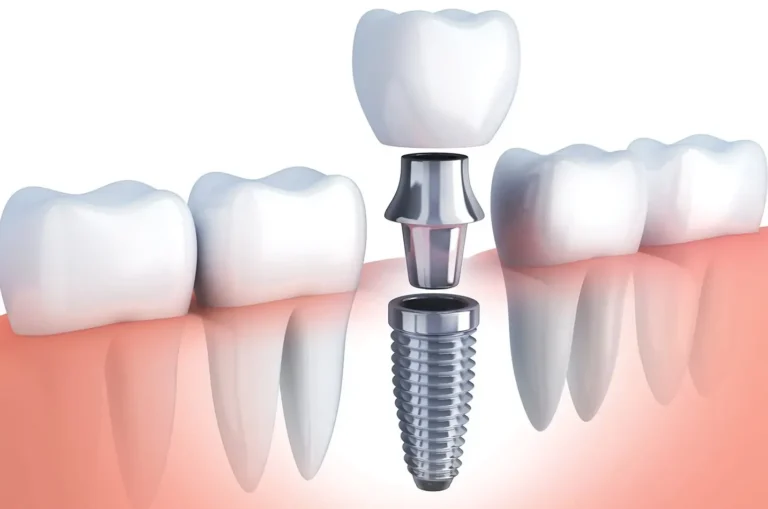
    Bone resorption not only weakens the jawbone but can also lead to changes in facial appearance, such as a sunken or hollow look. This process accelerates the longer the tooth remains missing. The installation of dental implants effectively prevents this bone loss by providing the necessary stimulation to the bone. The titanium implant fuses with the jawbone in a process known as osseointegration, mimicking the function of a natural tooth root and stimulating the bone to maintain its strength and structure.

    By preventing bone loss, dental implants help preserve the natural shape of your face and protect against further dental issues that may arise from weakened bone structure, such as additional tooth loss or bite problems.

    2. Improved Function and Comfort

    When you lose a tooth, the function of your mouth can be significantly affected. Gaps in your smile can interfere with biting, chewing, and speaking. Traditional solutions, such as dentures or bridges, may address some of these functional issues but often come with their own set of challenges, such as slippage, discomfort, and difficulty speaking clearly.

    Dental implants, on the other hand, are securely anchored into the jawbone, providing a stable foundation for the restorations (such as crowns, bridges, or dentures) placed on top. This means that dental implants offer superior functionality compared to other tooth replacement options. Patients with dental implants are able to bite, chew, and speak comfortably without worrying about their teeth shifting or causing irritation. The implant-supported restorations also restore the natural alignment of the teeth, ensuring a smooth, even bite.

    Whether you’re eating your favorite foods, talking with friends, or smiling confidently, dental implants give you the freedom to do so without the discomfort or limitations associated with traditional dentures.

    3. Prevention of Teeth Shifting and Bite Misalignment

    When you lose a tooth, the remaining teeth can shift over time to fill the gap. This can cause changes in your bite and lead to misalignment, which may result in difficulties with chewing, speaking, and even pain in the jaw. As your teeth shift, the pressure on the remaining teeth increases, leading to further wear, fractures, or damage.

    Dental implants prevent this problem by filling the gap left by the missing tooth and anchoring the neighboring teeth in place. Since the implant is securely integrated into the jawbone, it prevents neighboring teeth from drifting into the empty space. This helps maintain the integrity of your bite and ensures that your teeth remain properly aligned.

    By preventing shifting and misalignment, dental implants contribute to better overall oral function and protect the health of your other teeth and jaw joints.

    4. Long-Term Solution for Tooth Replacement

    Unlike traditional dentures or bridges, which may need to be replaced or adjusted over time, dental implants offer a long-term, permanent solution for missing teeth. Because they are made from durable titanium and fuse with the bone, dental implants are designed to last for decades, and in many cases, for a lifetime.

    With proper care, including good oral hygiene practices and regular dental checkups, dental implants can provide a reliable, low-maintenance solution to missing teeth. In contrast, traditional solutions like dentures may need to be relined, replaced, or adjusted frequently, leading to added costs and inconvenience.

    The durability and permanence of dental implants make them an excellent investment for your oral health. Whether you’re replacing one tooth or several, dental implants provide a secure and long-lasting foundation for your smile.

    5. Enhanced Aesthetic Results

    While the functional benefits of dental implants are crucial, their aesthetic advantages are equally important. Missing teeth can affect the appearance of your smile, making you self-conscious about how you look. Traditional dental solutions like bridges or dentures may not offer the same natural look or feel as dental implants, and over time, they may lose their aesthetic appeal.

    Dental implants are custom-designed to match the color, shape, and size of your natural teeth. The restorations placed on top of the implants are crafted to blend seamlessly with the surrounding teeth, ensuring that your smile looks natural and beautiful. Because dental implants are fixed in place, they don’t shift or slip, offering a more secure and aesthetically pleasing result than removable dentures or bridges.

    With dental implants, you can restore your smile to its natural beauty, enhancing both your appearance and your confidence.

    6. Better Oral Hygiene and Health

    Maintaining good oral hygiene is essential for overall health, and dental implants make it easier to keep your mouth clean and healthy. Unlike traditional dentures, which can trap food particles and bacteria under the surface, dental implants function just like natural teeth. This means you can brush and floss your implants just like you would your regular teeth, making it easier to maintain optimal oral hygiene.

    Dental implants also reduce the risk of gum disease and tooth decay because they are less likely to trap food particles or plaque. In contrast, removable dentures can cause irritation to the gums and make it difficult to maintain a thorough cleaning routine.

    By providing a stable, easy-to-clean solution, dental implants promote better oral hygiene, which can help you avoid additional dental issues such as gum infections or cavities.

    7. Improved Self-Esteem and Confidence

    The emotional and psychological benefits of dental implants are often as significant as the physical advantages. Many individuals with missing teeth feel self-conscious about their appearance, which can negatively impact their confidence and social interactions. The gaps left by missing teeth may cause people to avoid smiling or speaking freely, leading to lower self-esteem.

    Dental implants restore a full, natural-looking smile, helping patients feel more confident in their appearance. The improvement in appearance, function, and comfort that implants provide often leads to a significant boost in self-esteem. Patients with dental implants are more likely to smile, laugh, and speak freely without worrying about their teeth or feeling embarrassed.

    8. Support for Overall Health and Well-Being

    The impact of dental implants extends beyond oral health and aesthetics. Missing teeth can have a ripple effect on overall health. Difficulty chewing can lead to poor nutrition, as individuals may avoid certain foods that are difficult to eat without a full set of teeth. Moreover, missing teeth can lead to changes in the way a person speaks, affecting communication and quality of life.

    By restoring the ability to chew properly, dental implants support better nutrition and digestion. Additionally, improving speech and preventing the physical changes caused by bone loss can enhance overall well-being. When patients can eat the foods they enjoy, communicate effectively, and feel confident in their appearance, their overall quality of life improves significantly.

    Conclusion

    Dental implants offer a comprehensive solution that goes far beyond just improving the appearance of your smile. They provide vital benefits to your oral health, including the preservation of jawbone structure, prevention of tooth shifting, enhanced function, and better oral hygiene. Additionally, dental implants offer a long-term, low-maintenance solution for missing teeth that enhances self-esteem, confidence, and overall well-being.

    At the Center For Implant Dentistry, we are committed to helping our patients achieve optimal oral health and restore their smiles with the help of dental implants. If you have questions about dental implants or are ready to explore how they can improve your oral health, contact us today to schedule a consultation. We’re here to help you achieve the smile you’ve always dreamed of and support your long-term oral health.