Month: March 2025

  • Seasonal Storage Solutions: How to Store Items for Different Times of the Year

    Seasonal Storage Solutions: How to Store Items for Different Times of the Year

    Managing seasonal belongings can be a challenge, especially when space at home is limited. From holiday decorations to winter clothing and summer gear, finding a way to store these items efficiently can make a significant difference in organization and convenience. Self storage offers a practical solution to keep seasonal items protected while freeing up valuable space in your home.

    Distinct Storage provides reliable options for those needing extra room for seasonal belongings, ensuring that items remain in top condition when not in use. Understanding how to properly store different seasonal items can help extend their lifespan and keep them easily accessible when needed.

    Spring Storage: Organizing Winter Items

    As temperatures rise, bulky winter gear and holiday decorations often take up unnecessary space in closets and garages. Storing these items properly ensures they remain in good condition for the next cold season.

    Winter Clothing and Accessories

    • Clean and Sort – Wash all winter clothing, including coats, scarves, and gloves, before storage to prevent stains and odors from setting in.
    • Use Vacuum-Sealed Bags – Compressing bulky items like jackets and sweaters saves space and protects against moisture.
    • Store Boots Properly – Stuff boots with newspaper or shoe inserts to maintain their shape and place them in breathable storage containers.

    Holiday Decorations

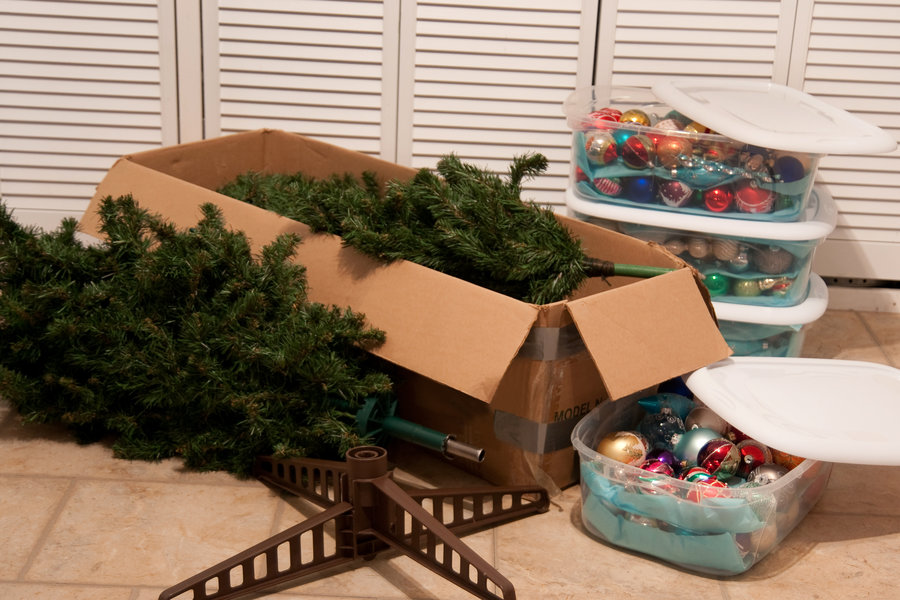
    • Use Divided Storage Bins – Fragile ornaments should be stored in divided boxes to prevent breakage.
    • Wrap String Lights Neatly – Avoid tangles by wrapping lights around a spool or piece of cardboard.
    • Label Boxes Clearly – Marking boxes by holiday makes it easier to retrieve specific decorations when needed.

    Snow Gear and Equipment

    • Dry Thoroughly Before Storage – Snowboards, skis, and sleds should be completely dry before being stored to prevent rust and mildew.
    • Store in Climate Controlled Storage – Extreme temperature fluctuations can damage sensitive materials, making climate controlled storage an ideal solution for winter sports gear.

    Summer Storage: Packing Away Spring Essentials

    As summer approaches, it’s time to store away spring items like gardening tools, rain gear, and transitional clothing.

    Gardening Tools and Equipment

    • Clean and Oil Metal Parts – Prevent rust by cleaning off dirt and applying a light coat of oil to metal tools.
    • Store Upright – Keep shovels, rakes, and hoes standing upright in a sturdy container to prevent bending.
    • Coil and Secure Hoses – Store garden hoses in a dry space, coiled loosely to avoid kinks and cracks.

    Spring Clothing and Footwear

    • Store Lightweight Jackets and Rain Gear – Fold neatly in plastic bins to keep them dust-free and ready for the next season.
    • Check for Repairs – Before storing, inspect items for loose stitching or worn-out soles to address any necessary fixes before the next season.

    Bicycles and Outdoor Equipment

    • Inspect and Clean – Wipe down bikes, check tire pressure, and lubricate the chain before storage.
    • Hang for Space-Saving Storage – If possible, hang bicycles on a wall-mounted rack to maximize space.

    Fall Storage: Preparing for Cooler Weather

    When fall arrives, it’s time to put away summer gear and make space for colder-weather essentials.

    Summer Clothing and Accessories

    • Wash and Dry Everything – Sweat, sunscreen, and chlorine can cause long-term fabric damage if not cleaned before storage.
    • Use Hanging Storage for Delicate Fabrics – Lightweight summer dresses and linens should be stored on hangers in garment bags to prevent wrinkles.

    Camping and Outdoor Gear

    • Clean Tents and Sleeping Bags – Ensure all gear is completely dry before storing to prevent mold and mildew.
    • Disassemble Outdoor Furniture – Stackable patio chairs and foldable tables should be covered and stored in a dry area.
    • Store Grills Properly – Clean thoroughly and remove propane tanks before placing grills in storage.

    Water Sports Equipment

    • Rinse and Dry Thoroughly – Saltwater and chlorine can degrade materials over time, so rinsing kayaks, paddleboards, and life jackets before storage is essential.
    • Use Wall Mounts or Racks – Keeping equipment elevated prevents warping and damage from moisture.

    Winter Storage: Packing Away Fall Essentials

    Once winter sets in, fall-related items such as outdoor décor, gardening tools, and lighter clothing can be packed away until the warmer months return.

    Fall Decorations and Yard Equipment

    • Wrap Artificial Wreaths and Décor – Use protective wrapping to prevent dust buildup and crushing.
    • Store Lawn Equipment Properly – Drain fuel from lawnmowers and leaf blowers before storing to prevent engine damage.

    Back-to-School Supplies and Sports Equipment

    • Organize Seasonal School Gear – Extra backpacks, binders, and supplies should be stored in labeled bins.
    • Clean and Store Sports Equipment – Football pads, soccer cleats, and other fall sports gear should be cleaned and stored in breathable containers.

    Preparing Storage for Winter Use

    • Rearrange the Storage Unit – Moving frequently used winter gear to the front and shifting stored summer items to the back improves accessibility.
    • Check Storage Conditions – Ensure all boxes are properly sealed and that climate controlled storage is used for temperature-sensitive items.

    Storage Tips for All Seasons

    Regardless of the time of year, certain storage best practices apply across all seasons.

    Keep an Updated Inventory

    • Maintain a list of stored items to prevent unnecessary searching and repurchasing of items you already own.

    Use Clear Bins for Quick Identification

    • Transparent storage containers allow for easy identification of contents without opening multiple boxes.

    Elevate Items Off the Floor

    • Keeping boxes and bins on shelving units or pallets prevents water damage from unexpected leaks or flooding.

    Utilize Climate Controlled Storage When Necessary

    • Some items, such as electronics, clothing, and furniture, require climate controlled storage to avoid damage from humidity and extreme temperatures.

    Conclusion

    Managing seasonal storage properly ensures that your home remains clutter-free and that items stay in excellent condition when not in use. Whether storing winter clothing, summer sports gear, or holiday decorations, an organized approach makes retrieval effortless when the seasons change.

    For those needing additional space, Distinct Storage offers practical storage solutions to help keep seasonal items safe and accessible year-round. By following proper storage techniques and utilizing self storage effectively, transitioning between seasons becomes a seamless and stress-free process.

  • The Growing Role of Trailer Rentals in the Film and Event Industry

    The film and event industries require efficient and reliable transportation solutions to move equipment, props, staging materials, and other essential items. Whether organizing a large-scale festival, a private corporate gathering, or a film production, logistics play a crucial role in ensuring everything arrives on time and in perfect condition. Trailer rentals provide an adaptable and cost-effective solution, offering the flexibility needed to transport materials of varying sizes and weights.

    This article explores the expanding role of trailer rentals in these industries, highlighting their advantages, best practices for their use, and how they contribute to seamless event execution and film production.

    Why Trailer Rentals Are Essential for Events and Film Productions

    Event planners and production managers face logistical challenges that require efficient and scalable transportation solutions. Using rental trailers provides a way to move essential equipment while avoiding the high costs and maintenance associated with purchasing a fleet.

    1. Flexibility for Large-Scale Productions and Events

    • Film sets require transportation for lighting rigs, cameras, and wardrobe departments.
    • Corporate events need trailers to move staging, sound systems, and promotional materials.
    • Rental options allow event managers and production teams to choose the right trailer for each specific need.

    2. Reducing Costs Without Sacrificing Efficiency

    • Purchasing trailers can be costly, especially for occasional use.
    • Renting ensures access to the right size and type of trailer without the long-term commitment.
    • Budget-conscious productions benefit from cost-effective logistics solutions.

    3. Supporting Quick Turnaround Times

    • Last-minute logistics changes are common in film and event planning.
    • Trailer rentals offer immediate solutions to unexpected transportation needs.
    • Availability of different trailer types allows planners to adapt to evolving schedules.

    Types of Trailers Used in the Film and Event Industry

    Each production and event has unique transportation needs, making it essential to select the appropriate trailer type for the job.

    1. Enclosed Trailers for Secure Transport

    • Ideal for protecting sensitive equipment, including lighting, sound systems, and costumes.
    • Keeps materials safe from weather conditions and potential theft.
    • Used by both film crews and event organizers for transporting valuable items.

    2. Equipment Trailers for Heavy-Duty Needs

    • Suitable for moving generators, scaffolding, and other bulky materials.
    • Designed to handle the weight and size of industrial-grade equipment.
    • Ensures safe transportation of essential gear to and from filming locations or event venues.

    3. Car Hauler Trailers for Film and Event Vehicles

    • Needed for transporting classic cars, set vehicles, or promotional automobiles.
    • Frequently used in film productions for stunt cars and specialty vehicles.
    • Ensures cars arrive at filming locations in top condition.

    Best Practices for Using Rental Trailers in Film and Events

    While trailer rentals provide convenience, following best practices ensures optimal use and security of transported materials.

    1. Plan Logistics in Advance

    • Reserve trailers ahead of time, especially during peak event seasons.
    • Confirm load capacities and ensure the right type of trailer is selected.
    • Schedule pick-up and drop-off times that align with production or event timelines.

    2. Secure and Organize Cargo Efficiently

    • Use tie-down straps, pallets, and protective padding to keep equipment stable.
    • Distribute weight evenly to maintain balance and prevent tipping.
    • Label materials to facilitate quick unloading at the venue or set location.

    3. Choose the Right Towing Vehicle

    • Ensure the towing vehicle is compatible with the trailer’s weight and size.
    • Use vehicles with proper hitch connections and trailer brake controllers.
    • Conduct a pre-trip inspection to confirm safety before transporting cargo.

    Overcoming Challenges in Film and Event Logistics

    Despite careful planning, unexpected challenges can arise when managing logistics for productions and large events. Properly utilizing trailer rentals helps mitigate many of these risks.

    1. Dealing with Last-Minute Transportation Needs

    • Event setups and film productions often require urgent delivery of equipment.
    • Trailer rentals provide an on-demand solution without long-term commitments.
    • Partnering with a reliable rental provider ensures access to trailers when needed.

    2. Managing Multiple Locations

    • Large-scale productions and events often require transporting materials between multiple venues.
    • Using rental trailers allows for staggered deliveries and pick-ups as needed.
    • Coordinating multiple trailer rentals reduces delays and improves efficiency.

    3. Handling Weather-Related Logistics Issues

    • Enclosed trailers protect sensitive equipment from rain, snow, and heat exposure.
    • Proper tarping and weather-resistant packaging further secure materials.
    • Flexible rental agreements allow for adjustments based on changing weather conditions.

    The Role of Professional Rental Providers in the Film and Event Industry

    Choosing a reputable rental provider ensures that trailers are well-maintained, reliable, and suited for the demands of film productions and live events. Roadmoto Trailer Rentals offers solutions designed to meet the unique needs of both industries.

    1. Providing a Range of Trailer Options

    • Businesses and production teams can access trailers suited for various transport needs.
    • Enclosed, flatbed, and specialized trailers accommodate different types of cargo.

    2. Offering Flexible Rental Terms

    • Custom rental durations allow for multi-day, weekly, or long-term use.
    • Last-minute rental requests can be accommodated for urgent logistics changes.

    3. Ensuring Safety and Compliance

    • Regular maintenance ensures that all trailers meet industry safety standards.
    • Guidance on proper loading, securing cargo, and choosing the right trailer size.

    Conclusion

    The film and event industries rely on efficient, scalable, and cost-effective logistics solutions. Trailer rentals play a crucial role in ensuring equipment, props, and staging materials arrive safely and on time. Whether managing a large festival, a corporate function, or a movie production, having access to reliable trailers simplifies transportation logistics.

    By utilizing well-maintained and versatile rental trailers from providers like Roadmoto Trailer Rentals, businesses and production teams can focus on executing their events and film projects without transportation-related concerns. Adapting to changing logistical needs with flexible rental options ensures that productions and events run smoothly from start to finish.

  • The Evolution of Roofing Materials: From Traditional to Cutting-Edge Solutions

    The Evolution of Roofing Materials: From Traditional to Cutting-Edge Solutions

    Roofs have been an essential part of human shelter for centuries, evolving from rudimentary thatched coverings to highly advanced, energy-efficient systems. The materials used in roofing have continuously adapted to meet new demands for durability, sustainability, and climate resilience. Today, homeowners have access to a wide array of roofing materials, ranging from traditional asphalt shingles to innovative solar-integrated designs. Understanding this evolution helps homeowners make informed choices when considering roof replacements or upgrades.


    Ancient Roofing: The Foundations of Shelter

    Early civilizations developed roofing materials based on the natural resources available to them. While primitive, these materials provided the foundation for modern innovations.

    1. Thatched Roofs (Prehistoric to Early Civilizations)

    • Made from dried plant stalks such as straw, reed, and palm leaves.
    • Provided insulation but were highly flammable and required frequent replacement.
    • Still used today in some rural areas for aesthetic and cultural reasons.

    2. Clay and Slate Roofing (Ancient Rome and Greece)

    • The Romans introduced terracotta tiles, offering fire resistance and durability.
    • Slate, quarried from natural rock, became popular due to its longevity and waterproofing abilities.
    • Many ancient buildings with slate or clay tile roofs still stand today, proving their resilience.

    3. Wooden Shingles (Medieval Period – 19th Century)

    • Widely used in North America and Europe due to the abundance of timber.
    • Provided a rustic aesthetic but required regular maintenance to prevent rot and fire damage.
    • Modern treated wood shingles have improved resistance to pests and decay.

    The Industrial Revolution and the Rise of Modern Roofing

    With the advent of mass production, new materials emerged that provided stronger, more efficient, and longer-lasting roofing options.

    4. Asphalt Shingles (Early 20th Century – Present)

    • Became the most common roofing material due to affordability and ease of installation.
    • Available in a variety of styles, including three-tab and architectural shingles.
    • Modern advancements include algae-resistant coatings and impact-resistant designs.

    5. Metal Roofing (Mid-20th Century – Present)

    • Initially used for industrial and agricultural buildings, now a popular residential option.
    • Extremely durable, lasting 40-70 years, and highly energy-efficient.
    • Reflects sunlight, reducing cooling costs in warmer climates.

    6. Concrete and Clay Tiles (20th Century – Present)

    • Gained popularity in warmer climates due to their durability and fire resistance.
    • Can last 50 years or more with proper maintenance.
    • Heavier than other materials, requiring reinforced roof structures.

    The Shift Toward Energy-Efficient and Sustainable Roofing

    Environmental concerns and energy efficiency have influenced modern roofing trends, leading to the development of sustainable materials and innovative designs.

    7. Green Roofs (21st Century)

    • Incorporate live vegetation, improving insulation and reducing heat absorption.
    • Help with stormwater management by absorbing rainwater.
    • Gaining popularity in urban areas due to environmental benefits.

    8. Solar Roofing (21st Century – Present)

    • Combines renewable energy with roofing materials to generate electricity.
    • Includes solar shingles, which blend seamlessly with traditional roofing.
    • Homeowners may benefit from tax incentives and long-term energy savings.

    9. Cool Roof Technology

    • Uses reflective coatings to minimize heat absorption and keep buildings cooler.
    • Becoming a preferred choice in regions with extreme heat.
    • Helps reduce air conditioning costs by maintaining lower roof temperatures.

    The Future of Roofing: Smart and High-Tech Innovations

    Looking ahead, roofing materials will continue to evolve, integrating technology for enhanced durability and efficiency.

    10. Self-Healing Roofing Materials

    • Scientists are developing materials that repair minor cracks and leaks automatically.
    • Expected to extend roof lifespan and reduce maintenance costs.

    11. 3D-Printed Roofing Components

    • The use of 3D printing in construction is expanding to roofing, allowing for custom designs and rapid installation.
    • May lead to cost-effective and highly durable roofing solutions in the near future.

    12. Recycled and Eco-Friendly Roofing Materials

    • Manufacturers are now producing roofing from recycled plastics, rubber, and other sustainable materials.
    • These options reduce waste while providing durability and weather resistance.
    • Expected to become a more mainstream choice as sustainability regulations increase.

    Choosing the Right Roofing Material for Your Home

    Homeowners today have more roofing options than ever before. Factors such as climate, budget, and energy efficiency goals should all be considered when selecting materials. Here’s how different materials compare:

    Roofing MaterialLifespanEnergy EfficiencyDurabilityMaintenance Needs
    Asphalt Shingles20-30 yearsModerateModerateLow-Medium
    Metal Roofing40-70 yearsHighHighLow
    Clay Tiles50+ yearsHighHighLow-Medium
    Slate Roofing75+ yearsHighVery HighLow
    Solar Shingles25-30 yearsVery HighHighMedium
    Green Roofs40+ yearsVery HighHighHigh

    Choosing the right roofing material requires balancing cost, maintenance, and performance. Homeowners who prioritize longevity may opt for metal or slate, while those focused on energy efficiency might consider solar roofing or green roofs.


    Final Thoughts

    The evolution of roofing materials showcases the incredible advancements in durability, efficiency, and sustainability. From ancient thatched roofs to solar-powered solutions, roofing technology continues to improve, offering homeowners more choices than ever before.

    Surge Exteriors recognizes the importance of staying ahead of industry trends, offering homeowners insights into the latest roofing materials and innovations. As technology continues to evolve, the future of roofing promises even greater benefits in durability, efficiency, and environmental responsibility.

  • How to Remove Stains and Marks from Painted Walls Without Damaging the Finish

    How to Remove Stains and Marks from Painted Walls Without Damaging the Finish

    Painted walls are exposed to daily wear and tear, whether from scuff marks, fingerprints, food splatters, or accidental spills. Over time, these blemishes can diminish the appearance of a space, making it look less clean and well-maintained. While many homeowners worry about damaging the paint when attempting to clean marks, using the right techniques and products can help preserve the finish while restoring the wall’s pristine look.

    This guide provides step-by-step methods for removing common stains and maintaining painted walls without causing harm to the surface. Whether dealing with high-traffic areas, moisture-prone rooms, or occasional mishaps, proper care ensures that paint retains its beauty and longevity.

    Understanding the Type of Paint Finish Before Cleaning

    The durability of paint varies based on the finish. Before applying any cleaning method, it’s essential to identify the type of paint used on the walls.

    • Flat and Matte Finishes: These paints absorb light, making them great for hiding imperfections, but they are more susceptible to stains and can be difficult to clean without causing damage.
    • Eggshell and Satin Finishes: Slightly more durable than flat paints, these finishes allow for gentle cleaning without too much risk of rubbing off the paint.
    • Semi-Gloss and Glossy Finishes: Highly durable and resistant to moisture, these finishes can handle scrubbing and regular cleaning without deterioration.

    Using the wrong cleaning method on delicate finishes can result in discoloration or paint removal, so understanding the surface is key to effective stain removal.

    Common Stains and How to Remove Them

    1. Dust and Surface Dirt

    Over time, dust and dirt accumulate on walls, particularly in high-traffic areas or near vents. Regular dusting prevents buildup and keeps walls looking fresh.

    How to Clean:

    • Use a microfiber cloth or a dry duster to gently wipe walls.
    • A vacuum with a soft brush attachment can be used for textured walls.
    • For mild stains, dampen a sponge with warm water and wipe gently.

    2. Scuff Marks from Shoes and Furniture

    Scuff marks are common in entryways, hallways, and living areas. These marks occur when shoes or furniture rub against painted walls, leaving visible streaks.

    How to Clean:

    • Use a soft, damp sponge with mild dish soap and gently rub in a circular motion.
    • A magic eraser can be effective but should be tested on a small, inconspicuous area first to ensure it doesn’t strip the paint.
    • Baking soda mixed with water to form a paste can help remove tougher marks.

    3. Fingerprints and Grease Stains

    Kitchens and high-touch areas like doorways often accumulate greasy handprints.

    How to Clean:

    • Mix a small amount of dish soap with warm water and use a soft sponge to wipe the stains.
    • For stubborn grease stains, a vinegar and water solution (1:1 ratio) can break down the residue without damaging the paint.

    4. Food and Beverage Spills

    Whether it’s coffee, juice, or sauce splatters, food stains can be tricky to remove if not addressed quickly.

    How to Clean:

    • Blot fresh stains with a paper towel or dry cloth to absorb excess liquid.
    • Use a damp sponge with mild dish soap and water to wipe the area.
    • Avoid scrubbing aggressively, as this can remove the paint along with the stain.

    5. Crayon and Marker Stains

    In homes with children, walls often become an unexpected canvas for artistic expression.

    How to Clean:

    • For Crayon Marks: Rubbing a damp cloth with a small amount of baking soda can lift the wax.
    • For Permanent Marker: Rubbing alcohol or non-gel toothpaste can help break down the ink.
    • For Washable Markers: A damp sponge with dish soap should be sufficient.

    6. Mold and Mildew Stains

    Bathrooms and kitchens are prone to mold and mildew, particularly if ventilation is poor.

    How to Clean:

    • Mix one part white vinegar with three parts water and apply it to the affected area.
    • Use a sponge or cloth to gently wipe the surface.
    • To prevent recurrence, ensure proper ventilation and consider using mold-resistant paint.

    Preventing Future Stains and Keeping Walls Clean

    Regular maintenance helps minimize the need for deep cleaning and prolongs the life of a paint job. Here are some strategies to keep walls looking fresh:

    1. Choose Washable Paint for High-Traffic Areas

    When repainting, selecting high-quality, washable paints, such as satin or semi-gloss finishes, makes cleaning easier and protects against stains.

    2. Use Protective Measures

    • Install chair rails in dining areas and hallways to prevent scuff marks.
    • Use door stoppers to prevent handles from creating dents or marks on walls.
    • Encourage children to use washable markers to minimize permanent stains.

    3. Clean Spills and Stains Immediately

    The sooner a stain is addressed, the easier it is to remove. Keeping a soft sponge and mild cleaning solution on hand makes quick touch-ups effortless.

    4. Dust Walls Regularly

    A simple dusting routine prevents buildup, reducing the risk of embedded stains.

    5. Schedule Touch-Ups as Needed

    Even with careful maintenance, paint may wear down over time. Periodic touch-ups keep walls looking crisp and well-maintained.

    When to Consider Repainting

    If stains become too difficult to remove or walls show signs of excessive wear, a fresh coat of paint can rejuvenate the space. Over time, even the most durable paints can fade, discolor, or lose their protective qualities. Repainting every five to ten years, depending on traffic and exposure, ensures walls remain vibrant and clean.

    Green Diamond Painting specializes in high-quality residential painting, offering expert advice on selecting durable, stain-resistant paints. With professional application and premium materials, a well-maintained paint job enhances both the aesthetics and longevity of a home.

    Conclusion

    Keeping painted walls clean doesn’t have to be a challenge. With the right techniques and products, most stains and marks can be removed without damaging the finish. Understanding paint types, using appropriate cleaning methods, and taking preventive measures ensure walls stay fresh and vibrant for years to come. Whether maintaining an existing paint job or planning a refresh, a thoughtful approach to wall care makes all the difference in preserving the beauty of a home.

  • Revolutionizing Traffic Signals for Emergency Situations: A New Era of Traffic Control

    Revolutionizing Traffic Signals for Emergency Situations: A New Era of Traffic Control

    Traffic signals play an essential role in controlling vehicular movement, reducing congestion, and enhancing road safety. However, during emergencies, standard traffic signal operations can cause unnecessary delays for first responders. Modern traffic management systems must adapt to provide dynamic control, prioritizing emergency vehicles while minimizing disruptions to everyday traffic.

    As cities grow and technology advances, smart traffic signals are becoming a game-changer in emergency response efficiency. This article explores how real-time adaptive traffic signals are reshaping emergency vehicle movement, improving public safety, and increasing overall roadway efficiency.

    Why Traditional Traffic Signals Create Delays in Emergencies

    Emergency vehicles, including ambulances, fire trucks, and law enforcement, often face obstacles due to outdated traffic signal systems. Challenges include:

    • Fixed signal timing that does not adapt to real-time emergencies.
    • Congestion at intersections preventing swift passage for emergency responders.
    • Uncoordinated traffic signals along major emergency response routes.
    • Drivers unsure of how to respond at intersections when emergency vehicles approach.

    To address these challenges, cities need intelligent traffic control solutions that enhance response times and improve road safety.

    The Role of Smart Traffic Signals in Emergency Situations

    Innovations in smart traffic signal systems are revolutionizing how cities manage traffic flow during emergencies. These systems utilize AI-driven analytics, GPS-based vehicle tracking, and real-time data exchange to dynamically adjust traffic signals based on emergency response needs.

    1. Emergency Vehicle Preemption (EVP) Systems

    One of the most significant innovations in emergency traffic control is Emergency Vehicle Preemption (EVP) technology. EVP allows emergency vehicles to communicate with traffic signals and request priority passage. When an emergency vehicle approaches an intersection, the system can:

    • Turn lights green in advance, clearing congestion before the vehicle arrives.
    • Hold cross-traffic signals on red, preventing collisions.
    • Synchronize multiple signals to create a seamless travel corridor for first responders.

    This reduces response times and ensures emergency personnel reach their destinations safely and efficiently.

    2. AI and Predictive Traffic Flow Management

    AI-driven traffic systems can predict congestion patterns and adjust signals in real time. Benefits of AI in emergency traffic control include:

    • Route optimization, adjusting traffic lights dynamically based on emergency vehicle paths.
    • Incident detection, identifying accidents or obstructions and rerouting vehicles accordingly.
    • Predictive analytics, using historical data to anticipate and improve emergency response routes.

    By integrating machine learning algorithms, traffic signals can adapt proactively to emergency conditions rather than reactively responding after delays occur.

    3. GPS-Connected Traffic Signals

    With the rise of vehicle-to-infrastructure (V2I) communication, GPS-enabled traffic signals allow direct coordination between emergency vehicles and intersections. Features include:

    • Automatic green wave synchronization, enabling ambulances and fire trucks to move without stopping.
    • Cloud-based traffic control centers, monitoring vehicle locations and adjusting signals accordingly.
    • Real-time traffic rerouting, diverting non-emergency vehicles to alternate routes.

    This creates a seamless experience for emergency responders and prevents unnecessary roadblocks during critical situations.

    Public Safety Benefits of Emergency-Responsive Traffic Signals

    When cities implement emergency-adaptive traffic signals, the benefits extend beyond first responders. Key improvements include:

    • Faster emergency response times, increasing survival rates for medical and fire emergencies.
    • Reduced intersection accidents, as traffic signals prevent sudden cross-traffic conflicts.
    • Lower congestion for all drivers, as optimized signals enhance overall road efficiency.
    • Better coordination with transit systems, ensuring emergency routes do not disrupt public transportation unnecessarily.

    Challenges in Implementing Smart Emergency Traffic Signal Systems

    Despite the promising advantages, cities face hurdles when integrating emergency-ready traffic signal systems:

    • Infrastructure upgrades, requiring investments in sensor technology and software.
    • Coordination with multiple agencies, ensuring emergency services, traffic departments, and city planners collaborate effectively.
    • Public education, informing drivers how to respond to adaptive traffic signals during emergencies.
    • Data security concerns, protecting connected traffic systems from cyber threats and unauthorized access.

    Overcoming these challenges requires a strategic approach to traffic management, ensuring a balance between safety, efficiency, and infrastructure feasibility.

    Lighthouse Transportation Group, LLC’s Role in Emergency Traffic Solutions

    Lighthouse Transportation Group, LLC recognizes the urgency of efficient traffic management for emergency responders. By deploying cutting-edge traffic control solutions that integrate real-time data, AI-driven automation, and smart signal coordination, the company contributes to safer and more effective urban mobility.

    Through advanced traffic monitoring systems, connected vehicle technology, and predictive analytics, Lighthouse Transportation Group, LLC is helping cities transform traditional traffic signals into intelligent emergency response tools.

    Looking Ahead: The Future of Emergency-Responsive Traffic Signals

    The next generation of emergency traffic signals will include:

    • Fully autonomous traffic signal systems, operating without manual adjustments.
    • AI-powered disaster response algorithms, dynamically rerouting emergency vehicles based on evolving conditions.
    • Integration with drone surveillance, providing live aerial traffic analysis for first responders.
    • Blockchain-based traffic data security, ensuring tamper-proof signal control to prevent cyber threats.

    By continuously innovating, cities can build smarter, safer, and more efficient roadways that support emergency responders and everyday commuters alike.

    Conclusion

    Emergency situations require rapid and efficient mobility solutions, and smart traffic signals are the key to achieving faster response times. Through AI-driven automation, vehicle-to-infrastructure communication, and GPS-enabled route prioritization, modern traffic signals are evolving into lifesaving tools for urban mobility.

    With the expertise of Lighthouse Transportation Group, LLC, cities can embrace next-generation traffic management solutions that improve safety, reduce congestion, and support first responders in critical situations.

  • How Seasonal Frost Can Damage Your Foundation and How to Prevent It

    How Seasonal Frost Can Damage Your Foundation and How to Prevent It

    Seasonal changes bring temperature fluctuations that can affect a home’s structural integrity. One of the most overlooked but destructive natural forces acting on a foundation is frost. When temperatures drop, moisture in the soil surrounding a home freezes and expands, creating pressure that can cause significant foundation damage. Without proactive measures, homeowners may face cracks, shifting walls, and costly foundation repair needs. Understanding how frost affects foundations and how basement waterproofing and basement underpinning can help prevent damage ensures long-term structural stability.


    Understanding How Frost Affects Foundations

    Cold weather doesn’t just bring ice and snow—it changes the composition of the ground beneath a home. When water in the soil freezes, it expands, increasing pressure against basement walls and footings. This phenomenon, known as frost heave, can push foundations upward or cause them to crack and shift over time.

    The most significant risks occur when:

    • The soil has high moisture content before freezing temperatures arrive.
    • Water is allowed to pool near the foundation due to poor drainage.
    • The foundation is built on expansive clay soil that retains water.
    • The home’s basement is not adequately insulated or waterproofed.

    Over time, repeated freeze-thaw cycles weaken the structure, leading to serious foundation concerns that require extensive repairs.


    Signs of Frost-Related Foundation Damage

    Foundation issues caused by frost may develop gradually, making early detection critical. Homeowners should look for these warning signs, especially in colder climates:

    • Cracks in foundation walls or basement floors that widen over time.
    • Uneven floors or shifting structures due to foundation movement.
    • Bowing or leaning basement walls caused by soil expansion.
    • Gaps between walls and ceilings signaling foundation stress.
    • Increased moisture or basement leaks as frost weakens foundation materials.
    • Misaligned doors and windows that indicate shifts in the home’s structure.

    Ignoring these signs can lead to severe structural instability, requiring more than just standard foundation repair methods.


    How to Prevent Frost-Related Foundation Damage

    Preventative measures are essential to protect a home’s foundation from the seasonal effects of frost. Strategies include improved basement waterproofing, enhanced insulation, and effective drainage management to reduce soil moisture fluctuations.

    1. Improve Exterior Drainage to Prevent Water Accumulation

    Keeping excess water away from a home’s foundation is one of the most effective ways to prevent frost heave.

    Steps to Enhance Drainage:

    • Ensure gutters and downspouts direct water at least five feet away from the foundation.
    • Install French drains to move excess groundwater away from basement walls.
    • Slope soil away from the foundation to prevent pooling water.
    • Avoid overwatering landscaping near the foundation.

    Impact: ✔ Reduces soil moisture content, minimizing freeze-thaw cycles. ✔ Prevents hydrostatic pressure buildup that contributes to wall cracks. ✔ Lowers the risk of basement leaks and mold growth.


    2. Use Insulated Skirting for Crawl Spaces and Basements

    Cold air exposure around the foundation contributes to frost penetration. Adding insulation helps maintain stable soil temperatures and reduces the risk of frost damage.

    Effective Insulation Strategies:

    • Install rigid foam insulation panels along basement walls.
    • Use insulated skirting around crawl spaces to regulate temperatures.
    • Seal air leaks in basement windows and doors to prevent heat loss.

    Impact: ✔ Maintains soil stability by preventing extreme temperature shifts. ✔ Lowers energy costs by improving basement insulation. ✔ Protects against frost-induced cracking in foundation walls.


    3. Reinforce the Foundation with Basement Underpinning

    For homes prone to frost damage, basement underpinning strengthens and stabilizes the foundation. This technique extends the foundation depth to reach more stable soil layers below the frost line.

    Common Underpinning Techniques:

    • Mass Concrete Underpinning: Adds new concrete sections beneath the foundation for additional support.
    • Steel Piers or Helical Piles: Transfers weight to deeper, frost-resistant soil layers.
    • Beam and Base Underpinning: Redistributes foundation loads to prevent frost-induced shifting.

    Impact: ✔ Prevents future settlement and movement caused by frost heave. ✔ Strengthens aging foundations for long-term durability. ✔ Provides a reliable solution for homes built in colder climates.


    4. Apply Basement Waterproofing for Additional Protection

    Waterproofing a basement is a crucial step in preventing frost-related damage. When moisture is kept away from foundation materials, the risk of freeze-thaw expansion decreases significantly.

    Waterproofing Solutions:

    • Exterior Waterproof Membranes: Applied to foundation walls to block moisture penetration.
    • Interior Sealants and Coatings: Protect basement walls from minor seepage.
    • Sump Pump Installation: Removes excess water before it can cause damage.

    Impact: ✔ Prevents water infiltration, reducing hydrostatic pressure. ✔ Lowers the risk of frost-related basement wall cracks. ✔ Increases overall foundation longevity.


    5. Adjust Landscaping to Prevent Soil Heaving

    The way a yard is landscaped can either increase or decrease the risk of frost-related foundation movement.

    Landscaping Adjustments:

    • Use non-expansive soil around the foundation that drains well.
    • Plant shrubs and trees strategically to avoid excessive moisture extraction.
    • Apply mulch around the foundation to maintain consistent soil moisture.

    Impact: ✔ Creates a protective buffer against rapid soil expansion and contraction. ✔ Improves drainage, minimizing frost heave effects. ✔ Enhances soil stability for long-term foundation support.


    When to Seek Professional Foundation Repair

    Despite taking preventive steps, frost damage can still affect a foundation, especially in older homes or those built on highly expansive soil. Professional evaluation is necessary when:

    • Foundation cracks become wider or increase in number.
    • Walls start bowing inward due to excessive soil pressure.
    • Uneven floors indicate serious foundation movement.
    • Water infiltration persists despite drainage improvements.

    How FoundationGuard Helps Protect Homes from Frost Damage

    Ensuring a foundation remains stable through seasonal changes requires expert intervention. FoundationGuard specializes in foundation repair, basement waterproofing, and basement underpinning, offering tailored solutions for homes vulnerable to frost damage. By reinforcing foundations, improving drainage, and implementing waterproofing strategies, homeowners can protect their investments from the harsh effects of seasonal frost.


    Conclusion

    Frost damage is a hidden threat that can cause severe structural issues if left unaddressed. Homeowners in colder climates must take proactive measures to manage soil moisture, reinforce foundation stability, and prevent water infiltration. Through proper drainage, insulation, basement waterproofing, and foundation repair techniques, the risks associated with frost heave can be minimized. Investing in these preventative strategies ensures a foundation remains strong, secure, and resistant to seasonal changes for years to come.

  • How Water Damage Can Lead to Electrical and Fire Hazards

    How Water Damage Can Lead to Electrical and Fire Hazards

    Introduction

    Water damage poses more than just structural risks—it can create dangerous electrical and fire hazards that threaten the safety of homes and businesses. When water infiltrates electrical systems, it can lead to short circuits, electrical fires, and life-threatening shocks. Understanding the potential dangers and taking immediate action can prevent costly repairs and serious safety incidents.

    Secure Restoration recognizes that addressing water damage isn’t just about drying out affected areas; it’s also about ensuring that electrical systems remain safe and functional. This article explores how water damage interacts with electrical components, the risks it presents, and the best safety measures to prevent electrical hazards after water exposure.


    How Water Damage Affects Electrical Systems

    Water and electricity are a dangerous combination. Even small amounts of moisture in electrical outlets, wiring, or appliances can cause severe malfunctions. When water damage occurs, it’s crucial to assess all electrical systems before attempting to restore power or use affected equipment.

    1. Short Circuits and Power Failures

    Water conducts electricity, meaning that even minor exposure can cause wires to short-circuit. Short circuits occur when electrical current follows an unintended path, which can:

    • Cause electrical components to overheat
    • Trip circuit breakers or blow fuses
    • Lead to power outages or fluctuations

    If breakers continuously trip after water exposure, it’s a sign that moisture has compromised wiring and needs professional assessment.

    2. Electrical Shock Hazards

    Water damage increases the risk of electrical shock, especially in flooded basements, kitchens, or bathrooms. Standing water can become electrically charged if it contacts live wiring, creating a severe safety hazard. Common risks include:

    • Touching wet appliances or outlets
    • Walking through standing water near electrical sources
    • Handling water-damaged extension cords or power strips

    3. Fire Hazards Due to Corroded Wiring

    Water exposure doesn’t just cause immediate electrical failures; it can also lead to long-term damage. Moisture corrodes electrical wiring, weakening insulation and increasing resistance, which generates heat. Over time, this can lead to:

    • Electrical fires from overheated wires
    • Sparking outlets that ignite flammable materials
    • Appliance malfunctions that create hidden fire risks

    Even after water damage appears to be resolved, underlying electrical issues can linger, making professional inspection critical.


    Immediate Steps to Take After Water Damage

    When water damage occurs, handling electrical systems with extreme caution is necessary. The following steps can help reduce risks and prevent electrical hazards:

    1. Turn Off the Power

    Before entering any water-damaged area, the first and most important step is to shut off the power supply. If the circuit breaker is located in a flooded area, contact a professional electrician to safely disconnect the power.

    2. Avoid Touching Electrical Components

    Never attempt to unplug devices, flip switches, or reset breakers if water has entered outlets or electrical panels. If water-damaged electrical devices are still plugged in, leave them untouched until they can be professionally inspected.

    3. Inspect for Water Intrusion in Electrical Panels

    Even if a home or business appears dry, water may have seeped into electrical panels, outlets, and wiring behind walls. Look for:

    • Water stains or corrosion on breaker panels
    • Warped or discolored outlets
    • A burning smell near electrical components

    If any of these signs are present, a licensed electrician should assess the damage before power is restored.


    Water Damage Risks for Electrical Appliances

    Beyond wiring and outlets, water damage can severely affect appliances and electrical equipment. The risks vary depending on the type of device and the extent of water exposure.

    1. Major Household Appliances

    Refrigerators, washing machines, ovens, and dishwashers are particularly vulnerable to water damage. Even if they appear to work after drying out, internal components may have been compromised.

    Signs an Appliance Is Unsafe to Use After Water Damage:

    • It emits a burning smell when powered on
    • Buttons or digital displays no longer function correctly
    • It trips the circuit breaker when plugged in
    • Rust or corrosion appears on electrical connections

    2. Small Electrical Devices

    Phones, computers, televisions, and power strips can be permanently damaged by water. Water can cause:

    • Circuit board failures, rendering devices useless
    • Battery malfunctions, leading to overheating or explosions
    • Data loss in electronic storage devices

    Before attempting to turn on any water-damaged electronic device, have it inspected by a professional or, if necessary, replace it entirely.


    Preventing Electrical Hazards After Water Damage

    Proper precautions can reduce the risk of electrical problems following water exposure. Implementing preventative measures helps ensure long-term safety.

    1. Install Ground Fault Circuit Interrupters (GFCIs)

    GFCIs detect imbalances in electrical currents and shut off power when water exposure is detected. They are especially important in areas prone to moisture, including:

    • Kitchens
    • Bathrooms
    • Basements
    • Outdoor outlets

    2. Elevate Electrical Systems in Flood-Prone Areas

    For properties in flood zones, elevating electrical panels, outlets, and wiring can prevent major damage in future water incidents. Recommended measures include:

    • Raising electrical panels above potential flood levels
    • Installing outlets higher on walls in basements and crawl spaces
    • Using waterproof electrical boxes and conduit for added protection

    3. Regular Electrical System Inspections

    Routine inspections help detect potential vulnerabilities before they lead to hazards. A professional electrician can check for:

    • Signs of corrosion on wires and panels
    • Loose or damaged connections from past water exposure
    • Upgrading outdated systems to improve safety measures

    4. Use Surge Protectors for Valuable Electronics

    Surge protectors help prevent power surges caused by water-related electrical fluctuations. Plugging sensitive devices into surge protectors can prevent damage during unexpected electrical events.


    When to Call a Professional

    After water damage, it is essential to consult professionals before restoring power or using appliances. Experts should be contacted in the following situations:

    • Electrical panels, outlets, or wiring were exposed to water
    • Appliances or electronics show signs of damage
    • Burning smells, sparks, or unusual sounds occur when power is restored
    • Circuit breakers trip repeatedly after drying out the area

    Hiring a professional ensures that all electrical components are tested and replaced as necessary, preventing future hazards.


    Conclusion

    Water damage extends beyond soaked carpets and weakened walls—it presents a serious risk to electrical safety. Electrical hazards resulting from moisture exposure can lead to shocks, short circuits, and even fires, making immediate action crucial.

    Robert Franks stresses the importance of power safety, professional inspections, and preventative upgrades following water damage. Whether dealing with a minor leak or major flooding, taking the right precautions ensures a safe restoration process and protects homes and businesses from long-term electrical risks.

  • The Role of Custom Furniture in Sustainable Interior Design

    The Role of Custom Furniture in Sustainable Interior Design

    Sustainability is becoming a key focus in modern interior design, and custom furniture plays a significant role in reducing environmental impact while enhancing home aesthetics. Mass-produced furniture often contributes to deforestation, excess waste, and harmful emissions, whereas custom furniture offers a responsible and eco-friendly alternative. By prioritizing sustainable materials, ethical production practices, and longevity, homeowners can create stylish, personalized spaces while minimizing their carbon footprint.

    Choosing custom furniture that aligns with sustainable principles not only benefits the environment but also ensures a healthier home. With conscious material selection, local craftsmanship, and energy-efficient production, custom pieces support both aesthetic and ethical values.


    Why Sustainable Custom Furniture Matters

    The environmental impact of mass-produced furniture is significant, with high levels of waste, carbon emissions, and non-recyclable materials ending up in landfills. Sustainable custom furniture addresses these concerns by:

    • Reducing Waste: Custom pieces are built to order, avoiding excess production and waste.
    • Using Sustainable Materials: Responsibly sourced wood, recycled metal, and eco-friendly textiles minimize environmental harm.
    • Enhancing Longevity: High-quality craftsmanship ensures that furniture lasts for decades rather than years.
    • Supporting Ethical Production: Local artisans and small-scale manufacturers often use fair labor practices and sustainable techniques.

    By investing in sustainable custom furniture, homeowners contribute to a greener, more responsible approach to interior design.


    Key Elements of Sustainable Custom Furniture

    1. Responsibly Sourced Materials

    Sustainable custom furniture prioritizes materials that are renewable, recycled, or ethically harvested. Some of the best options include:

    • FSC-Certified Wood: Wood certified by the Forest Stewardship Council ensures responsible forestry practices.
    • Reclaimed and Salvaged Wood: Gives new life to old wood while reducing deforestation.
    • Bamboo: A rapidly renewable resource that is strong and versatile.
    • Recycled Metals and Plastics: Reduces landfill waste by repurposing materials into furniture components.
    • Natural Fabrics and Dyes: Linen, organic cotton, and wool avoid synthetic chemicals and minimize environmental impact.

    2. Non-Toxic and Low-VOC Finishes

    Many mass-produced furniture pieces contain volatile organic compounds (VOCs) that release harmful toxins into the air. Sustainable custom furniture uses safer alternatives:

    • Water-Based Stains and Finishes: Minimize air pollution and indoor toxins.
    • Natural Oils and Waxes: Enhance wood’s durability without harmful chemicals.
    • Eco-Friendly Paints: Free from heavy metals and toxins, reducing environmental harm.

    3. Energy-Efficient and Waste-Reducing Manufacturing

    Custom furniture makers who prioritize sustainability often follow eco-friendly manufacturing processes:

    • Minimal Waste Production: Craftsmen use every part of the material, reducing scrap waste.
    • Handcrafted Construction: Reduces energy consumption compared to factory-based mass production.
    • Local Sourcing: Cuts down on transportation emissions by using regionally sourced materials.
    • Upcycling and Repurposing: Transforms discarded furniture and materials into new, stylish pieces.

    At What’s New Furniture, sustainability is embedded into every step—from sourcing reclaimed wood and eco-friendly textiles to using low-VOC finishes and handcrafted techniques that reduce waste.


    Designing a Sustainable Home with Custom Furniture

    Creating an eco-friendly home doesn’t require sacrificing style. Custom furniture allows homeowners to integrate sustainability into their interiors in a way that feels both intentional and elegant.

    1. Choosing Multi-Functional Pieces

    Furniture that serves multiple purposes reduces the need for excess items and conserves resources. Some examples include:

    • Convertible Dining Tables: Extendable or collapsible designs that adapt to different needs.
    • Storage Ottomans and Benches: Seating that doubles as hidden storage.
    • Modular Shelving Units: Adaptable layouts that can be reconfigured over time.
    • Murphy Beds and Space-Saving Desks: Ideal for maximizing small spaces while minimizing material usage.

    2. Supporting Local and Handmade Furniture

    Purchasing locally crafted furniture reduces carbon emissions associated with shipping while supporting small businesses. Custom furniture made by skilled artisans also tends to have better craftsmanship and longevity.

    • Handmade vs. Mass-Produced: Small-scale makers often prioritize sustainable techniques over fast production.
    • Locally Sourced Materials: Using wood, fabrics, and finishes from regional suppliers reduces transportation impact.
    • Fair Trade Practices: Ensures ethical labor conditions and supports artisanal craftsmanship.

    3. Investing in Timeless Designs

    Sustainable furniture should not only be made from eco-friendly materials but should also be designed to stand the test of time. Avoiding trend-driven designs prevents frequent furniture replacements and reduces waste.

    • Classic Silhouettes: Pieces with simple, elegant lines remain stylish for decades.
    • Neutral Color Palettes: Natural hues allow furniture to blend with changing decor styles.
    • Quality Over Quantity: Fewer, better-made pieces reduce the demand for disposable furniture.

    The Future of Sustainable Custom Furniture

    As sustainability becomes a priority in interior design, innovations in custom furniture manufacturing continue to evolve. The future of eco-conscious furniture includes:

    • 3D-Printed Recycled Furniture: Using biodegradable and recycled materials for highly customizable designs.
    • Smart Furniture with Energy-Saving Features: Integrated sensors and solar-powered elements reduce energy use.
    • Circular Economy Models: Furniture that is designed for disassembly and recycling at the end of its lifespan.
    • Biodegradable Materials: New developments in plant-based resins and natural composites reduce long-term waste.

    As these advancements become more mainstream, homeowners will have even more options for creating beautiful, sustainable living spaces.


    Final Thoughts

    Sustainable custom furniture is more than a trend—it’s a responsible and stylish way to design a home. By choosing eco-friendly materials, supporting ethical craftsmanship, and investing in long-lasting designs, homeowners can reduce their environmental impact while enjoying high-quality, personalized furniture.

    As the demand for sustainability continues to grow, custom furniture makers are leading the way in offering innovative, conscious solutions that prioritize both aesthetics and the planet. With thoughtful decision-making, sustainable furniture becomes an investment in both home design and the future of our environment.

  • Why Your Home Deserves More Than Just “Ordinary” Floors: The Hidden Power of Quality Flooring

    Why Your Home Deserves More Than Just “Ordinary” Floors: The Hidden Power of Quality Flooring

    Have you ever stepped into a room and immediately felt its energy? A certain warmth or coldness that you can’t quite explain, but you know it’s there? The secret behind that feeling could be your flooring.

    RC7 Flooring, owned by the passionate Robert Chavez, isn’t just about laying down wood or tiles. It’s about transforming a space, shaping the mood, and making your home feel more like you. Because when done right, your floors don’t just support your furniture, they elevate the entire experience of living in your home.

    The Unseen Impact of Floors: More Than Just a Surface

    Imagine walking barefoot across cold, cheap tiles in the morning. The discomfort is immediate, right? Now picture stepping into a room where every step feels luxurious, like you’re walking on clouds. That’s the power of quality flooring. It’s more than aesthetics, it’s about how the materials affect your daily life. The right floor makes you feel at ease, supports your steps, and creates a foundation of comfort.

    At RC7 Flooring, they understand this on a deeper level. They don’t just offer flooring, they offer an experience. From rich hardwoods to modern tiles and plush carpets, each material is selected not just for beauty, but for how it makes you feel the moment you step onto it.

    The RC7 Flooring Approach: Custom-Tailored Solutions for Every Home

    Many people think flooring is a one-size-fits-all decision. But in reality, it’s all about tailoring the flooring to your space, lifestyle, and even personality. That’s where RC7 Flooring comes in. The company doesn’t push you into a cookie-cutter solution. Instead, they work with you to find the perfect flooring fit that aligns with your vision for your home.

    Whether it’s a stunning wood floor for your living room that radiates warmth or sleek, modern tiles that bring sophistication to your kitchen, the right flooring can completely change the energy of a room. 

    Why Invest in Flooring? The Return on Investment (ROI) of Beautiful Floors

    You might be wondering what’s the big deal about upgrading your floors? Sure, it’s an investment, but does it really pay off? Absolutely. Flooring is one of the first things people notice when they walk into a home. It sets the tone for the rest of the space, and a well-chosen floor can increase your home’s value.

    At RC7 Flooring, they’re not just interested in making your floors look great today. They aim for longevity. Their high-quality materials and expert installation ensure your floors will look gorgeous for years to come, and resist the daily wear and tear of family life.

    The Unexpected Benefits of Upgrading Your Floors

    Beyond looks and value, quality floors offer unexpected benefits. A top-tier floor can improve your home’s insulation, keep your home cleaner by reducing dust and allergens, and even make it easier to maintain. Robert Chavez and his team are experts in recommending flooring that not only fits your aesthetic but also meets your lifestyle needs.

    If you’re looking for that “wow” factor in your home, it’s often hidden beneath your feet. RC7 Flooring brings that wow to life with a commitment to excellence in every detail.

    Wrapping It Up: Elevate Your Home with RC7 Flooring

    When you walk into your home after a long day, your floors are the first thing that greet you. Don’t settle for just ordinary floors, invest in the kind of quality that makes a statement. At RC7 Flooring, they’re here to make sure that your floors do more than just cover your space, they define it.

    So the next time you look down at your floors, ask yourself: do they reflect who you are? If not, maybe it’s time to let RC7 Flooring show you how good your home could feel.

  • The Hidden Dangers Lurking in Your Home’s Wiring (And How to Prevent a Disaster)

    The Hidden Dangers Lurking in Your Home’s Wiring (And How to Prevent a Disaster)

    You walk into your kitchen and reach for the light switch. You flip it, but nothing happens. Your heart skips a beat because it’s not the first time. That flicker, that buzz, the burnt smell… It’s not normal. Could it be a sign of a bigger issue with your home’s electrical wiring? You can’t afford to ignore this.

    In this article, we’ll uncover the silent dangers that might be lurking in your home’s electrical system and how Will Can Electrical, led by expert electrician Will Can, is helping homeowners in Denver avoid catastrophic failures by addressing these issues head-on.

    The Unseen Risks in Your Home’s Wiring

    We often take our electrical systems for granted, until they start to fail us. From outdated wiring to overused circuits, the risks of electrical malfunctions can be hidden in plain sight. And the consequences of ignoring them? They’re not just inconvenient—they’re potentially life-threatening.

    Take, for example, the story of a family in Denver who had been experiencing flickering lights for weeks. They shrugged it off as a minor issue, until one evening, an overheated wire caused a spark that set off a devastating house fire. It wasn’t until after the damage was done that they realized how close they had come to a disaster.

    So how can you protect your home before it’s too late? Here’s how Will Can Electrical helps prevent these hidden dangers by identifying and addressing wiring issues before they escalate.

    Outdated Wiring: The Silent Culprit

    Most homes built before the 1980s weren’t designed to handle the electrical demands of today’s modern appliances. You might not even realize it, but those vintage wires could be slowly deteriorating, unable to handle the power demands of your flat-screen TV, gaming system, or home office. If you’re dealing with old knob-and-tube wiring or aluminum wiring, it’s crucial to schedule an electrical inspection with a pro like Will Can Electrical.

    For homes in Denver with older wiring systems, upgrading to modern copper wiring can provide better insulation, improved safety, and more reliable power distribution.

    The Dangers of Overloaded Circuits

    We live in a digital world, and our homes are brimming with electrical gadgets that didn’t even exist a few decades ago. From your high-tech kitchen appliances to your smart home security system, you might not realize just how much strain you’re putting on your circuits. But when too many devices are connected to one circuit, the wires heat up, creating a fire hazard.

    Will Can Electrical recommends regular inspections to ensure that your home’s circuits are capable of handling your energy needs. A small upgrade, like adding an extra circuit or upgrading to a higher amperage, could make a world of difference in preventing overloads.

    The Importance of Proper Grounding

    Another often overlooked aspect of home electrical systems is grounding. Without proper grounding, electrical surges can travel through your devices, causing them to short out, or worse, lead to a dangerous shock.

    For homes with outdated grounding systems, Will Can Electrical can install modern grounding systems that protect your electronics and, more importantly, your family.

    Signs You Need an Electrical Check-Up

    Electrical issues don’t always come with a dramatic warning. In fact, many problems start small but can snowball into much bigger and more expensive issues. Here’s how to know if it’s time to call Will Can Electrical for an inspection:

    • Flickering or dimming lights – This may be a sign of an overloaded circuit or loose wiring.
    • Hot outlets or switches – If you notice warmth coming from an outlet, it’s not just uncomfortable—it’s dangerous.
    • Frequent tripped circuit breakers – If this is happening regularly, your home might be overloading.
    • Burnt smells – If you smell anything resembling burnt plastic or rubber, turn off the power immediately and call for help.

    The Solution: Professional Electrical Inspections

    While DIY fixes may seem tempting, they often create more problems than they solve. That’s why Will Can Electrical offers thorough, professional inspections to help you catch small problems before they turn into major headaches. Owner Will Can brings years of experience to every job, ensuring that your home’s electrical system is safe, reliable, and up to code.

    Protecting Your Home Starts with Prevention

    Don’t wait for a disaster to remind you of the importance of proper electrical maintenance. As the story above illustrates, things can go from bad to worse in the blink of an eye.

    With the help of Will Can Electrical, you can rest easy knowing your home’s wiring is secure. From rewiring outdated systems to upgrading grounding and circuits, Will Can Electrical ensures that your electrical system is both safe and efficient. With Will Can’s expertise, Denver homeowners can prevent the risks associated with faulty wiring and avoid costly repairs down the line.

    Conclusion

    Your home’s electrical system is the lifeblood of modern living, but when things go wrong, the risks are high. Will Can Electrical is here to ensure your system is running safely and efficiently. Don’t let small electrical issues turn into a bigger problem. Take action now and protect your home, your family, and your peace of mind.