Month: September 2024

  • DTF Printers: Revolutionizing Textile Printing

    DTF Printers: Revolutionizing Textile Printing

    In recent years, the textile printing industry has witnessed a significant technological breakthrough with the advent of Direct-to-Film (DTF) printing. This innovative method has quickly gained popularity among both small businesses and large-scale manufacturers, offering a versatile and cost-effective solution for creating high-quality, durable prints on a wide range of fabrics and materials.

    What are DTF Printers?

    DTF printers are specialized devices that have revolutionized the way designs are transferred onto textiles. Unlike traditional methods such as screen printing or direct-to-garment (DTG) printing, DTF technology involves a unique two-step process:

    1. Printing: The design is first printed onto a special polyethylene terephthalate (PET) film using water-based inks. These inks are specially formulated to adhere well to the film and provide vibrant, long-lasting colors.
    2. Transfer: Once printed, the film is coated with a powdered adhesive. The design is then heat-pressed onto the desired fabric or surface, where the adhesive melts and bonds the ink to the material.

    This process allows for vibrant, long-lasting prints on various materials, including cotton, polyester, blends, and even challenging surfaces like leather or nylon.

    Advantages of DTF Printing

    The rapid adoption of DTF printing can be attributed to several key advantages:

    1. Versatility: One of the most significant benefits of DTF printing is its ability to work on a wide range of fabrics and colors. Unlike some other printing methods, DTF performs equally well on both light and dark materials, expanding the possibilities for designers and manufacturers.
    2. Cost-effectiveness: DTF printing offers lower setup costs compared to traditional screen printing, especially for small batch orders. This makes it an attractive option for businesses of all sizes, from small custom T-shirt shops to large-scale apparel manufacturers.
    3. Durability: DTF prints are renowned for their excellent wash fastness and longevity. The special adhesive used in the process ensures that the designs remain vibrant and intact even after multiple washes, outperforming many other printing methods in terms of durability.
    4. Eco-friendly: Many DTF inks are water-based, making them more environmentally friendly than some solvent-based alternatives. This aligns with the growing demand for sustainable production methods in the textile industry.
    5. Detailed prints: DTF technology allows for intricate designs and smooth gradients with high color accuracy. This level of detail is particularly valuable for photorealistic prints or complex artwork that might be challenging to reproduce with other methods.
    6. Soft hand feel: Unlike some other transfer methods, DTF prints typically result in a soft, barely noticeable texture on the fabric. This enhances the comfort and quality feel of the finished product.

    Applications

    The versatility of DTF printing has led to its adoption across various industries and applications:

    • Custom t-shirt printing: DTF has become a go-to method for creating unique, high-quality custom t-shirts, especially for small to medium batch sizes.
    • Sportswear and team uniforms: The durability and color vibrancy of DTF prints make it ideal for sportswear that needs to withstand frequent washing and wear.
    • Promotional products: From tote bags to hats, DTF printing offers a cost-effective way to produce high-quality promotional items.
    • Fashion and apparel: Designer labels are leveraging DTF technology to create unique, limited-edition pieces with intricate designs.
    • Home decor items: DTF printing has found applications in creating custom pillowcases, curtains, and other fabric-based home decor items.

    Challenges and Considerations

    While DTF printing offers numerous advantages, there are some challenges and considerations to keep in mind:

    • Initial investment: The upfront cost for DTF printing equipment can be significant, which may be a barrier for some small businesses.
    • Supplies: DTF printing requires specific supplies such as PET films, adhesive powders, and specialized inks. Ensuring a steady supply of these materials is crucial for consistent production.
    • Learning curve: Mastering DTF printing techniques takes time and practice. Factors such as temperature, pressure, and timing during the heat transfer process can significantly affect the final result.
    • Limited size: Current DTF printers typically have size limitations, which may not be suitable for very large designs or all-over prints.

    Future of DTF Printing

    The future of DTF printing looks promising, with ongoing technological advancements expected to address current limitations and further enhance its capabilities:

    • Improved efficiency: Future DTF printers are likely to offer faster printing speeds and more automated processes, increasing overall production efficiency.
    • Enhanced print quality: Advancements in ink formulations and printing technologies are expected to result in even higher resolution prints and expanded color gamuts.
    • Larger print areas: As the technology matures, we may see DTF printers capable of handling larger print areas, opening up new possibilities for all-over prints and large-scale designs.
    • Integration with other technologies: The integration of DTF printing with other digital technologies, such as automated cutting and sewing, could lead to more streamlined, end-to-end textile production processes.

    In conclusion, DTF printers represent a significant leap forward in textile printing technology, offering a unique blend of quality, versatility, and cost-effectiveness. As the technology continues to evolve and mature, it is poised to play an increasingly important role in shaping the future of the textile printing industry, from small-scale custom productions to large manufacturing operations.

  • Can Sugar-Free Syrup Be Used in Cooking and Baking?

    Can Sugar-Free Syrup Be Used in Cooking and Baking?

    Sugar-free syrup has become a popular alternative for those looking to reduce their sugar intake without sacrificing sweetness. But can it be used effectively in cooking and baking? In this blog, we’ll explore how sugar-free syrup performs in the kitchen and provide tips for making the most of this versatile ingredient.

    What is Sugar-Free Syrup?

    Sugar-free syrup is a sweetener designed to mimic the taste and texture of traditional syrup but without the added sugar. Instead of sugar, these syrups are sweetened with alternatives such as stevia, erythritol, or monk fruit. These sweeteners provide the desired sweetness with fewer calories and a reduced impact on blood sugar levels.

    How Sugar-Free Syrup Differs from Regular Syrup

    When comparing sugar-free syrup to regular syrup, there are a few key differences to consider:

    • Taste: Sugar-free syrups may have a slightly different taste compared to their sugary counterparts, depending on the sweeteners used.
    • Texture: The texture of sugar-free syrup might be less viscous than regular syrup, which can affect the outcome of certain recipes.
    • Nutritional Content: Sugar-free syrups typically contain fewer calories and carbohydrates, making them a popular choice for those managing their weight or blood sugar levels.

    Using Sugar-Free Syrup in Cooking

    Flavor Considerations

    Sugar-free syrup can add sweetness to savory dishes, but its flavor profile may differ from traditional syrup. It’s essential to taste and adjust your recipes to ensure the right balance of sweetness.

    Texture and Consistency

    In cooking, the consistency of sugar-free syrup can affect the final texture of your dishes. If a recipe relies on the thickness of regular syrup, you may need to adjust the amount of sugar-free syrup or add other ingredients to achieve the desired result.

    Recipes to Try

    Sugar-free syrup can be used in various savory dishes, such as marinades and glazes. For example, try using it in a marinade for grilled chicken or as a glaze for roasted vegetables to add a touch of sweetness without the sugar.

    Using Sugar-Free Syrup in Baking

    Baking Properties

    When baking with sugar-free syrup, you may notice differences in how it caramelizes or contributes to moisture retention. Because it lacks sugar, which contributes to browning and texture, you might need to experiment to achieve the right consistency.

    Recipe Adjustments

    Adjusting recipes when using sugar-free syrup involves accounting for its lower viscosity and different sweetening properties. You may need to modify baking times or add other ingredients to balance out the texture and flavor.

    Recipes to Try

    Sugar-free syrup works well in a variety of baked goods. Consider using it in recipes for cakes, cookies, and muffins. For instance, sugar-free syrup can be used in a low-carb cake recipe to provide sweetness without the added sugar.

    Tips for Using Sugar-Free Syrup in Your Recipes

    • Measurement Conversions: When substituting sugar-free syrup for regular syrup, use a conversion chart or experiment to determine the appropriate amount needed for your recipe.
    • Taste Testing: Always taste your dishes and adjust the sweetness as necessary. Sugar-free syrups can vary in sweetness, so it’s important to fine-tune the flavors to your liking.
    • Storage and Shelf Life: Store sugar-free syrup in a cool, dry place and check the label for its shelf life to ensure optimal freshness.

    For those looking to find high-quality options, exploring sugar free syrup Australia can provide you with a range of products that fit your cooking and baking needs.

    Potential Issues and How to Address Them

    • Digestive Concerns: Some people may experience digestive issues with certain sugar substitutes. Be mindful of the sweeteners used and choose options that suit your digestive system.
    • Sweetness Levels: Balancing sweetness can be challenging with sugar-free syrups. Adjust your recipes as needed to achieve the desired taste.
    • Recipe Failures: If a recipe doesn’t turn out as expected, don’t be discouraged. Experiment with different ratios and ingredients to get the perfect result.

    Conclusion

    Sugar-free syrup can be a valuable ingredient in both cooking and baking, offering a lower-calorie alternative to traditional syrups. By understanding its properties and making the right adjustments, you can successfully incorporate sugar-free syrup into your favorite recipes.

    Feel free to share your experiences and recipes using sugar-free syrup in the comments below. For more information and inspiration, explore additional resources and related blog posts.

  • The Ultimate Guide to Cleaning and Maintaining Your Bathroom Mirror

    The Ultimate Guide to Cleaning and Maintaining Your Bathroom Mirror

    Your bathroom mirror is more than just a functional element of your daily routine; it’s a reflection of your space and your care for it. Keeping it clean and well-maintained not only enhances the look of your bathroom but also ensures it functions optimally. Here’s a comprehensive guide to help you keep your mirror sparkling and in top condition.

    Understanding Your Mirror

    Types of Mirrors

    • Glass Mirrors: These are the most common and straightforward mirrors, offering a classic look and clear reflection.
    • Acrylic Mirrors: Lightweight and shatter-resistant, these mirrors are ideal for high-traffic areas or households with children.
    • Mirrored Acrylic: Combining the benefits of acrylic with a reflective surface, these mirrors are versatile and durable.

    Special Features

    • Anti-Fog Mirrors: Designed to prevent fogging, these mirrors are perfect for use in humid environments like bathrooms.
    • Lighted Mirrors: Equipped with built-in lighting, these mirrors offer enhanced visibility and can add a modern touch to your bathroom.

    Essential Cleaning Supplies

    Cleaners

    • Non-Abrasive Glass Cleaner: Ideal for glass mirrors, it effectively removes dirt and smudges without scratching.
    • DIY Solutions: A mixture of vinegar and water can serve as an effective and eco-friendly cleaner for all types of mirrors.

    Tools

    • Soft Cloths: Microfiber towels are excellent for wiping mirrors as they are gentle and absorbent.
    • Squeegees: Useful for removing excess moisture and preventing streaks.

    Cleaning Process

    Preparation

    Ensure the mirror is cool to the touch before starting the cleaning process. This helps avoid any potential streaking.

    Cleaning Steps

    • Glass Mirrors: Spray the cleaner evenly across the mirror’s surface. Wipe in a circular motion using a soft cloth. Finish by drying with a clean, dry cloth.
    • Anti-Fog Mirrors: Use a gentle cleaner and follow the manufacturer’s instructions to maintain the anti-fog properties.

    Finishing

    Check the mirror for any remaining streaks or spots and touch up as needed.

    Maintaining Your Mirror

    Regular cleaning is key to maintaining your mirror’s appearance. Aim to clean your mirror at least once a week to prevent buildup of grime and smudges. Here are some additional care tips:

    • Avoid Harsh Chemicals: Stick to non-abrasive cleaners to prevent damage.
    • Inspect for Damage: Regularly check for any cracks or damage that could worsen over time.

    If you’re considering an upgrade or need a replacement, explore a variety of mirrors for bathroom to find one that best suits your needs.

    Special Issues

    • Removing Stubborn Stains: For tough stains, a paste made of baking soda and water can help lift them.
    • Handling Scratches: Minor scratches can sometimes be buffed out with a bit of toothpaste and a soft cloth.

    Preventive Measures

    • Reduce Fog: Use anti-fog sprays or ensure proper ventilation in your bathroom to minimize fogging.
    • Protect Mirror: Consider using covers or protective films to shield your mirror from damage.

    When to Replace

    Signs that it may be time for a replacement include persistent fogging despite anti-fog treatment, severe scratches, or cracks. A new mirror can restore the functionality and aesthetic of your bathroom.

    Conclusion

    Regular cleaning and maintenance of your bathroom mirror not only keeps it looking great but also ensures it serves you well for years to come. Incorporate these tips into your routine to enjoy a clear, streak-free reflection every day.

  • Tips on Choosing the Right Self Storage Facility

    Tips on Choosing the Right Self Storage Facility

    Selecting the perfect self-storage facility is an essential task for anyone looking to store their belongings safely and conveniently. Whether you are downsizing, relocating, or simply needing extra space for seasonal items, finding a storage unit that meets your specific requirements can make all the difference. The right facility will offer not only secure and adequate storage space but also provide access and services that suit your lifestyle and budget. This guide will provide you with key tips to consider during your selection process, ensuring that your storage needs are met efficiently and effectively.

    Location and Accessibility

    When choosing a self-storage facility, location is a crucial factor. It’s important to select a facility that’s conveniently located either near your home, work or along your daily commute. This will make accessing your belongings much easier and save you time and transportation costs. A central location also provides the benefit of convenience if you need frequent visits to the unit.

    Accessibility relates not only to the geographic location but also to the facility’s operation hours. Many facilities offer 24/7 access, which can be extremely beneficial if you need to retrieve or store items after typical business hours. Be sure to inquire about access policies to ensure they align with your schedule and storage needs. A digitally led storage provider may also offer additional benefits such as online booking and management, providing ultimate convenience for users. It’s crucial to consider both the location and accessibility of a facility before making a final decision.

    Security Features

    The security of your stored items should be a top priority when selecting a self-storage facility. Look for facilities that offer robust security measures such as surveillance cameras, gated access, and proper lighting. Additionally, on-site management and security personnel contribute to a secure environment, keeping your belongings safe from theft or damage.

    Some facilities may provide individual unit alarms or advanced security systems, which can provide an extra layer of protection. It is essential to inquire about the available security features and assess whether they meet your standards for safeguarding your possessions.

    Climate Control Options

    Certain items are sensitive to temperature and humidity changes, such as electronics, wooden furniture, and artwork. Choosing a facility with climate-controlled units can protect these items from extreme weather conditions. Climate control helps maintain a stable environment, reducing the risk of damage caused by moisture, heat, or cold.

    Assess the types of items you plan to store and consult with the facility on whether climate control is necessary. Understand the additional costs associated with climate-controlled units to ensure they fit your budget while providing the necessary protection for your valuable belongings.

    Cost and Payment Plans

    The cost of renting a storage unit can vary significantly depending on location, size, and additional features. It’s crucial to compare prices across different facilities and consider what is included in the quoted price. Be vigilant about any hidden fees or additional charges that may not be initially apparent.

    Payment plans and flexibility are also important considerations. Some storage facilities offer month-to-month leases, while others might require long-term contracts. Opt for a payment plan that aligns with your budget and offers flexibility in case your storage needs change in the future.

    Unit Size and Availability

    Selecting the correct unit size is vital to ensuring that you do not overpay for space you do not need or end up with insufficient room for your belongings. Facilities typically offer a range of unit sizes, so it’s critical to evaluate what you need to store and choose accordingly. Consider making an inventory of your items to help guide your decision.

    Availability can also affect your choice, so inquire about the types of units available and ensure that the facility can accommodate your storage requirements. Be clear about any anticipated increases in storage needs so you can secure additional space without hassle.

    Customer Reviews and Reputation

    Researching customer reviews and the reputation of the storage facility can provide insightful information about the quality of service and the overall experience of other clients. Online platforms and review sites can be valuable resources for understanding a facility’s strengths and potential issues.

    Pay attention to recurring themes in reviews, such as customer service quality, cleanliness, and any security concerns. A facility with a strong reputation is more likely to offer reliable services, ensuring that your storage experience is both satisfactory and smooth. It’s also helpful to ask for recommendations from family and friends who have used storage facilities in the past.

    Choosing the right self-storage facility requires thorough research and consideration of various factors. By taking into account location and accessibility, security features, climate control options, cost and payment plans, unit size and availability, and customer reviews, you can make an informed decision that meets your specific storage needs. Remember to assess your budget and long-term storage requirements carefully to ensure a convenient and secure storage experience. Consider these tips as a guide to finding the perfect self-storage facility for you. 

  • Free Generated Patterns: Animalistic Backgrounds for Creative Designs

    Free Generated Patterns: Animalistic Backgrounds for Creative Designs

    One of the modern tendencies in design is animalistic backgrounds that are designed as styles derived from the fascinating world of fauna. Its popularity is because they contribute a lot of energy and excitement to any project whether it is used in the form of spots like those of a leopard, lines like those of a zebra, etc. Free generated animalistic patterns can be used where you are designing a website, the graphics for social media, or even products. This article shall be focused on free generated patterns, the rationale for using them, and how to employ them in your patterns.

    What are Free Generated Patterns?

    The Free Generated of Patterns

    Ready-made generated patterns refer to patterns that have been designed in advance and are found online which can be downloaded to be used for different design plans. These patterns are normally produced by algorithms, so it is straightforward to search a specific kind of pattern or change existing ones as per desire. They help to design and customize various commuters without having to conduct those tiresome design processes, thus freeing your time to work on the creativity aspect.

    Why Use Free Generated Animalistic Backgrounds?

    Animalistic backgrounds are not only a beautiful element to be used but also a useful one. All these can be incorporated into fashion, graphic display, interior design, and even branding. They aid in providing a certain level of edginess and exploration, which makes them best suited for application on projects you wish to make stand out.

    This makes it easy to work with the backgrounds even with no design experience as there are numerous free pattern generators online. All that is required is to download a pattern, modify it as one sees fit, and then include it in a particular project. This is a very effective way of putting some more personality and flair to your work and all of this in very little time while on the cheap end of the spectrum.

    Most Used Animalistic Figures You Can Apply

    In a word, animalistic backgrounds are distinctive, even though each of them contributes its share to your design. Here are some of the most commonly used patterns:

    Leopard Print Patterns

    Leopard prints are or have been associated with current fashion trends as well as design. Their clean-cut appearances with large spots and different shades bring out the wild elegance of any item ranging from web backgrounds to clothing lines.

    Zebra Stripe Patterns

    Zebra patterns are characterized by black and white colors which have very high contrast so the figure on the background of such hair is easily distinguished. These patterns are best for Modern designs or where you want to make a loud statement without having to overshadow the rest of the design.

    Snake Skin Textures

    The snake skin patterns give designs a great dimension and they can make designs quite textured. Because the snake skin is always used to give a luxurious feeling it is ideal for designs that would wish to have a prestige look.

    Tiger Stripes and Other Wild Patterns.

    The patterns on the skin of tigers, giraffes, and other animals are practically endless: stripes and spots, or even bright scales. Such patterns give a dynamic and wild touch to designs which makes them perfect for risky and sake projects.

    Animalistic Backgrounds for Free-Generated Images

    Vitalentum is one of the best sources for free AI-generated animalistic backgrounds if you are working on your design projects and do not want to spend any money on backgrounds. In addition to this, there are reliable sites such as Unsplash and Freepik where one can obtain excellent animalistic patterns and vector graphics and other tools like Patternico and Repper to develop the patterns without much struggle. Through these sources, it is very easy to locate or even create the best animalistic background suitable for your artistic endeavors.

    How to Incorporate Animalistic Backgrounds in Your Designing

    Using animalistic backgrounds certainly would enhance the level of complexity, as well as roughness in the looks of the designs. Here are some tips on how to use them effectively:

    Balance is Key

    As we see animalistic patterns tend to be vivid, there must be a contrast with the simplicity of other design components. It would be wise to avoid covering the whole design with the pattern and instead use neutral colors or simplified typography.

    Pair with Strong Typography

    Combining animalistic layers with bright and contrasting colors is effective when using clear typography. Altogether these combinations can be effective for making a clear emphasis on a text while at the same time providing an exquisite appearance of the background.

    Make for Social Media Images

    Generally, if someone hopes they get the attention of people on sites such as Twitter and Facebook, incorporating animalistic backgrounds is helpful. It is easy to understand why these patterns may be used in Instagram, Facebook profile covers, and Pinterest graphics.

    Conclusion

    Free-generated animalistic patterns make it very easy and quick to enhance different projects and also bring personality into them. These patterns can be applied to anything from a graphic that’s to be printed on the computer, a post on any social media platform as well as any tangible product to be sold. Like with color choices, there’s no shortage of free patterns online that can be adapted to your preferences. So you should let your imagination prevail and consider the rather wide opportunities of animalistic backgrounds in your work.

  • How to Plan and Execute a Successful Solar Project: Overcoming Client Challenges

    How to Plan and Execute a Successful Solar Project: Overcoming Client Challenges

    In recent years, the solar energy sector has experienced significant growth as more businesses and homeowners seek sustainable energy solutions. This trend is particularly evident in areas like Makati, Philippines, where the demand for solar energy solutions is rising rapidly. 

    However, planning and executing a successful solar project involves navigating various client-facing challenges. This article delves into these challenges and provides a comprehensive guide on managing them effectively to ensure project success, whether you’re working on a solar Philippines Makati project or elsewhere.

    Understanding Client Needs and Expectations

    One of the initial steps in planning a solar project is understanding the client’s specific needs and expectations. This involves:

    • Conducting Detailed Consultations: Engage in thorough discussions with clients to understand their energy needs, budget constraints, and long-term goals. This helps tailor the solar solution to meet their specific requirements.
    • Setting Clear Objectives: Establish clear and achievable project objectives. This includes defining the scope, timeline, and expected outcomes of the project to align with client expectations.

    Navigating Financial Constraints

    Financial considerations are often a major hurdle in solar projects. Clients may have limited budgets or concerns about the return on investment (ROI). To address these issues:

    • Providing Transparent Cost Estimates: Offer detailed and transparent cost estimates, breaking down the expenses involved in the project. This helps clients understand the financial commitment and plan accordingly.
    • Exploring Financing Options: Introduce clients to various financing options, such as solar loans, leases, and power purchase agreements (PPAs). Reducing upfront costs can make solar projects more accessible.
    • Highlighting Long-Term Savings: Emphasize the long-term financial benefits of solar energy, including reduced energy bills and potential tax incentives. This can help clients see the value beyond the initial investment.

    Managing Technical Challenges

    Technical challenges can arise at various stages of a solar project. Addressing these effectively requires:

    • Conducting Site Assessments: Perform comprehensive site assessments to evaluate the suitability of the location for solar installation. Consider factors such as roof condition, shading, and orientation.
    • Choosing the Right Technology: Advise clients on the most suitable solar technology and equipment for their needs. This includes selecting the right type of solar panels, inverters, and mounting systems. NetSuite’s inventory management features can help track and manage the various equipment and technology used in the project.
    • Ensuring Quality Installation: Work with experienced and certified installers to install the solar system correctly and safely. Quality installation is crucial for the system’s performance and longevity.

    Regulatory and Compliance Issues

    Navigating the regulatory landscape is another critical aspect of solar project execution. This involves:

    • Understanding Local Regulations: Familiarize yourself with local building codes, zoning laws, and permitting requirements. Ensure that the project complies with all relevant regulations to avoid legal issues.
    • Streamlining the Permitting Process: Assist clients in obtaining the necessary permits and approvals. This may involve coordinating with local authorities and utility companies to ensure a smooth process.
    • Staying Updated on Policy Changes: Keep abreast of changes in solar policies and incentives. This allows you to advise clients on the best strategies to maximize benefits and minimize risks.

    Communication and Relationship Management

    Effective communication is vital in managing client relationships throughout the project lifecycle. This includes:

    • Regular Updates and Reporting: Provide clients with regular updates on the project’s progress. This includes sharing milestones, addressing any concerns, and discussing any changes to the project plan.
    • Managing Expectations: Set realistic expectations regarding project timelines, costs, and outcomes. This helps prevent misunderstandings and builds trust with clients.
    • Handling Disputes and Issues: Be prepared to address any disputes or issues that arise promptly and professionally. Effective conflict resolution can prevent minor issues from escalating into major problems.

    Ensuring Post-Installation Support

    The relationship with the client does not end once the solar system is installed. Providing ongoing support is crucial for long-term success:

    • Offering Maintenance and Monitoring Services: Provide clients with regular maintenance and monitoring services options. This ensures that the solar system operates efficiently and promptly addresses any issues.
    • Educating Clients on System Use: Educate clients on how to use and maintain their solar systems. This includes training on monitoring energy production and understanding system alerts.
    • Gathering Feedback for Improvement: Solicit client feedback to understand their satisfaction levels and identify areas for improvement. This can help refine future projects and enhance service quality.

    Conclusion

    Planning and executing a successful solar project involves more than just technical expertise. It requires a comprehensive approach that addresses client-facing challenges, from understanding client needs and managing financial constraints to navigating regulatory issues and providing ongoing support. By focusing on these areas, solar project managers can enhance client satisfaction and ensure the long-term success of their projects.

    Solar project managers can build strong relationships with clients and contribute to the broader adoption of sustainable energy solutions by adopting a client-centric approach and proactively addressing potential challenges.

  • What Types Of Wood Are Commonly Used For Crafting Custom Pin Wood Badges?

    What Types Of Wood Are Commonly Used For Crafting Custom Pin Wood Badges?

    Custom wood pin badges have surged in popularity because of their unique charm and personal contact. Not like metallic or plastic badges, wooden pins offer a different, natural aesthetic that resonates with each individual and type. Their appeal lies in their potential to be customized with difficult designs, logos, and messages, making them ideal for non-public expression and promotional purposes. 

    The tactile best of wood adds an element of sophistication and warmth that enhances their perceived cost. Moreover, the fashion towards eco-friendly and sustainable products has boosted the call for wooden badges. As clients end up more environmentally aware, they’re increasingly favoring products crafted from natural, renewable materials. Wood pin badges in shape this preference perfectly, aligning with a commitment to sustainability. 

    Their versatility, combined with the growing appreciation for artisanal and handmade items, contributes to their growing popularity in both personal and expert contexts. This blend of aesthetic attraction and environmental responsibility makes wood Custom pin badges a preferred choice in these days’s marketplace.

    Types of Wood Commonly Used for Crafting Custom Pin Badges

    Custom pin badges are popular for his or her versatility and personalization. One of the key elements of their design is the choice of wood, which affects the badge’s look, sturdiness, and standard quality. This article explores diverse styles of wood generally used for crafting custom pin badges, detailing their characteristics, benefits, and suitability for extraordinary packages.

    • Red Cherry Wood

    Red cherry wood is prized for its rich, warm shade and clean texture. Its natural reddish-brown hue can add a fashionable touch to custom pin badges. Cherry wood is likewise acknowledged for its fine grain and ability to stain and polish nicely, enhancing the element of complex designs. The wood’s hardness provides durability, making it appropriate for badges to be worn often. Cherry wood is a top-class preference for excessive-end custom pin badges due to its aesthetic enchantment and workability.

    • Pine Wood

    Pinewood is a popular choice for custom pin badges due to its affordability and ease of work. It has a light color, that may range from pale yellow to light brown and a direct grain sample. Pine wood is soft, making it simpler to carve and engrave unique designs. It additionally takes paint and stains properly, making an allowance for various customization alternatives.

    Even though pine wood is more expensive, it is much less long-lasting compared to hardwoods. It can show wear and tear greater speedy, which is an attention-to badge meant for everyday use. 

    • Brazilian Wood

    Brazilian, such as varieties including Brazilian Cherry and Brazilian Walnut, are known for their appearance and durability. It frequently functions in rich, dark shades and precise grain styles that beautify the visual enchantment of custom pin badges. Brazilian wood is hard and dense, imparting a robust and long-lasting product. The number one drawback of Brazilian wood is its higher fee and capacity environmental concerns. It’s essential to make sure that the wood is sourced from sustainable and licensed suppliers to mitigate terrible ecological effects. 

    • Ashwood

    Ashwood is another extraordinary desire for custom pin badges, valued for its light color and sturdy grain. It has a first-class, uniform texture and is thought for its resilience and durability. Ashwood is frequently used for badges that require stability among aesthetics and functionality. It holds up properly below wear and can be effortlessly stained or completed to obtain the preferred appearance. The wood’s power makes it suitable for badges to bear frequent coping with. Ashwood’s steady grain and mild shade also make it a versatile option for numerous layout patterns. 

    Remarks

    Choosing the right sort of wood for custom pin badges includes balancing aesthetics, durability, and value. Every wood type has unique characteristics that make it appropriate for different uses, and knowledge of those variations can assist in choosing the best material for your custom pin badges. By considering both the cultured and realistic aspects, you may create beautiful and lasting badges that meet your unique needs.

  • How Are Translation Companies in the UK Adapting to AI and Automation?

    How Are Translation Companies in the UK Adapting to AI and Automation?

    AI and automation are becoming essential in most industries today, and translation is one of them. With the need for fast and cheap translations on the rise, translation companies uk employ AI tools. However, is it safe to rely solely on AI, or are human translators still essential?

    What are the Reasons for Transforming This Industry into AI and Automation?

    AI has developed rapidly, especially in the field of natural language processing. Rainbow Translations has also been benefiting from these innovations. With the help of AI, large text documents can be processed and translated in a few seconds, while a document translator may take hours or days to complete the same task.

    But it’s not just speed that matters. AI also desires to eliminate monotonous jobs, which allows translation companies to deal with more exciting banalities. Wherever AI technology advances, the better the language can be translated with this technology, making it indispensable in the translation business.

    When Did Translation with the Help of Instruments Become Outdated?

    AI technology is now more available and is not restricted to Google. Nevertheless, translation bureaus in the UK are applying sophisticated AI tools that are highly efficient and focused on comprehensive and specialised translations.

    For example, among the leading translation agencies in the UK, a number have already employed artificial intelligence tools capable of translating legal, medical, and technical text with high accuracy. Such tools use narrowed datasets, allowing them to grasp the ins and outs of the particular field and provide faithful and stylistically appropriate translations.

    How have UK Translation Companies Evolved?

    To remain competitive in the current market, UK translation companies have enhanced their operations by moving more into the technological age. One of these changes has been introducing AI technology into the existing workflow. This involves using AI translation software to carry out most of the translation process while human translators validate the work done by the software.

    Also, many translation companies in London and the UK continue hiring employees to apply published AI. This has enabled companies to harness the speed offered by AI while guaranteeing the quality of the final product to the expectations of clients who are professionals in translation services.

    Where Do Human Translators Stand in Today’s World?

    Even though the market of translations with the help of various offers wide opportunities for artificial intelligence (AI), human translators will not soon become extinct. Their role is increasing with time. For example, a machine can do the literal translation of the text quickly, but it does not grasp and understand the subject’s culture as a human translator does.

    For instance, cultural references such as humour, idioms, or idioms of regional speech pose some challenges to AI language systems. Human interpreters assist in the modifications and revisions of translations produced by the machine, as per these queries, so that the translations are effective, appropriate, and enjoyable to the users.

    Advantages of AI and Automation for Translation Companies in the United Kingdom:

    • Increased Efficiency: AI can perform extensive tasks quickly, so companies can accept and complete more work within the specified time frames.
    • Cost-Effective: Translation companies profit by eliminating low-level, unneeded workflow steps, making their service less expensive.
    • Improved Accuracy: AI tools do not remain constant, hence bringing in better accuracy in defeat, which enhances the accuracy in translation per se of certain technical and important fields.
    • Scalability: AI allows companies to expand to do big tasks without increasing their size by a large margin.

    UK-Based Translation Companies and They Faced Issues:

    However, despite all these advantages, the UK translation market is, in fact, or is going to be disrupted in the way AI and automation challenges have offered for UK translation firms:

    • Quality Control: One issue facing such companies is maintaining the set quality or meeting high-quality translation requirements for documents generated by more intelligent systems. This requires a hybrid approach—some level of automation and a moderate amount of human intervention.
    • Data Security: Due to AI tools’ influence on sensitive activities, translation companies are required to protect customers’ information and apply appropriate AI mechanisms within the frameworks of data protection systems.
    • Maintaining Human Touch: As newer technologies are developed, some customers may consider the services of human translators obsolete. Translation businesses have to look for strategies to win clients who, despite losing the physical human translator, are still concerned about the quality of service and cultural aspects.

    Impact on Certified and Professional Translation Services:

    The UK-certified translation companies that are legal, medical, and governmental documents orientated mostly witness AI’s adverse effects. Regarding certified translation, AI can help with many translation tasks but can only replace some human translators for legally certified translations.

    AI is one of the excellent providers of assistance to professional translation companies in the UK market, but it has yet to become a substitute for translation skill labor. Truly prosperous businesses that effectively combine labor and the latest technologies present their clients with the best of both worlds.

    Future of Translation Companies in the United Kingdom:

    As we head to the future, the future of translation companies in the UK looks promising, owing to the changes in the future. Some companies can take this mold and embrace AI as a tool to improve their sites. However, the human aspect of translation will remain necessary in the cases of intricate and culturally oriented translations.

    The industry’s future is in a mixed model, whereby AI undertakes most translations and human translators are utilized for touch-ups. This ensures that the translations are timely, affordable, correct, and culturally appropriate.

    Adapting to Change But Not at the Cost of Quality:

    In the end, AI and automation are changing the context of translation companies in the United Kingdom, bringing many benefits and some negative ones. Translational agencies in the UK that can adopt and implement AI in every possible way while maintaining the essence and understanding that only true professionals have will lead the market.

    FAQs:

    Can AI Replace Human Translators in the UK?

    While AI is a powerful tool, it can only partially replace human translators, particularly for complex and culturally sensitive translations.

    What are the Benefits of AI for Translation Companies in the UK?

    AI offers UK translation companies increased efficiency, cost-effectiveness, improved accuracy, and scalability.

    Are there challenges to using AI in translation services?

    Challenges include quality control, data security, and maintaining the human touch in translations.

    What is the Future of Translation Companies in the UK?

    The future lies in a hybrid model that combines AI’s speed and efficiency with human translators’ expertise to produce accurate and culturally appropriate translations.

  • Key Insights into the Software Product Development Process for Building Successful Solutions

    Key Insights into the Software Product Development Process for Building Successful Solutions

    Modern technology is continuously transforming human lifestyles, and interacting with various software solutions has become part of everyday life in the 21st century. It’s hard to imagine daily tasks, especially in the workplace, without the involvement of software.

    At the core of these solutions is software product development, a meticulous process defined by a set of structured steps, commonly referred to as the Software Development Life Cycle (SDLC). Whether you’re creating a sophisticated web or mobile application, SDLC plays a pivotal role.

    You might have many questions or uncertainties about SDLC and its processes. In this article, we’ll provide an in-depth overview of the software product development process to clear those doubts.

    Understanding the Software Product Development Process

    The software product development process consists of the necessary steps to develop software from its initial concept to its market launch. This process typically involves multiple stages in transforming a product idea into a viable solution for the market.

    The Software Development Life Cycle encompasses the rules and practices that help align tech teams, non-tech teams, and project stakeholders in creating digital products or software solutions.

    This process starts with ideation and ends with the final product’s features, pricing strategy, and distribution. While the ultimate goal of the product development process is to maximize value and reduce risks, failures can occur due to poor quality, non-competitive pricing, mistimed market entry, weak promotion, or poor brand awareness.

    Now that we’ve covered the basics of software product development, let’s dive deeper into the process’s various stages.

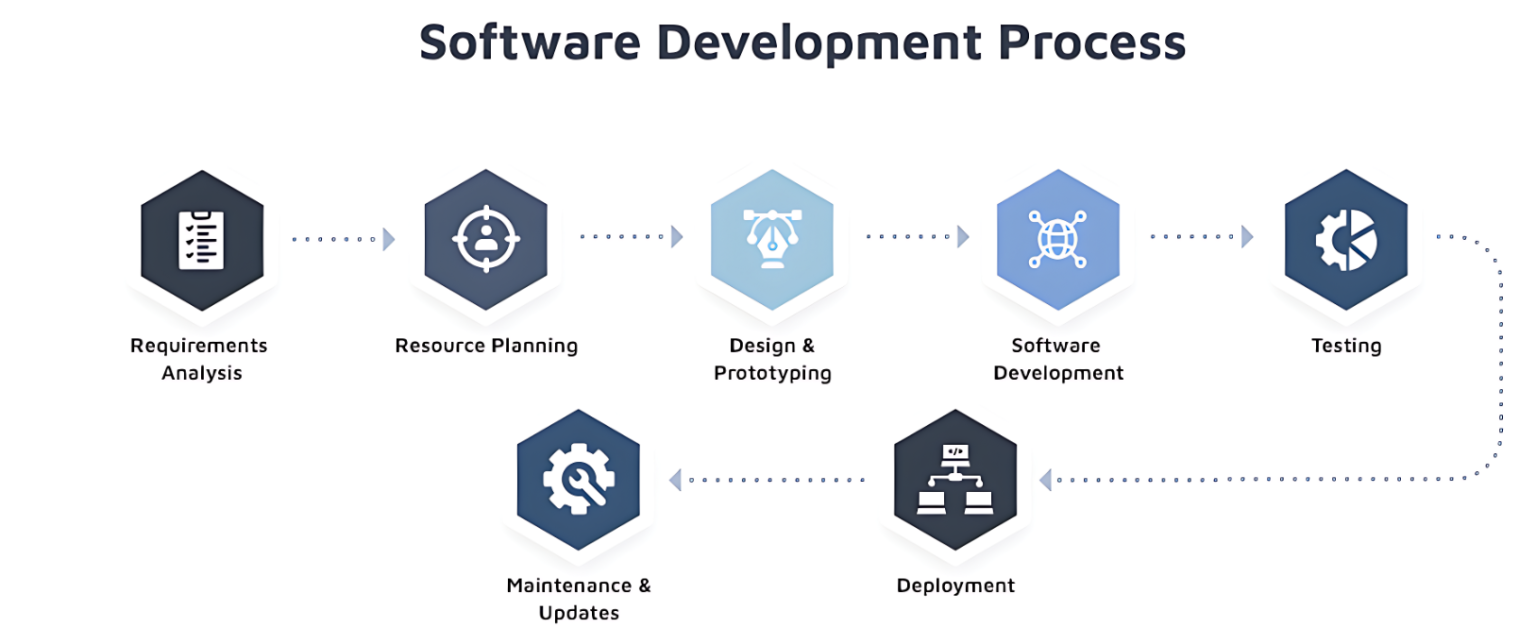
    Step-by-Step Software Product Development Process 

    Software development consists of several stages, each bringing its own significance to the overall process. Many businesses opt for product development consulting to ensure everything proceeds in a structured manner. Let’s explore the stages in detail:

    1. Brainstorming and Planning

    The first stage is brainstorming, where the product concept is defined. This begins with a promising idea that must be carefully thought through before execution. Businesses often generate many ideas, but only a few hold real potential.

    Key actions in this phase include:

    • Discussing the project value and idea with the development team.
    • Gathering market information and analyzing trends.
    • Documenting the concept and obtaining stakeholder approval.

    Once the idea is solidified, meticulous planning begins. This step is crucial, as it defines the project scope and outlines how it aligns with business objectives. Planning also covers resource allocation, budgeting, timeframe, and solution identification.

    2. Product Research and Requirement Analysis

    To ensure the success of your product, thorough research is essential. This helps validate your idea, ensuring it’s something people will pay for. Various methods to conduct research include:

    • Online surveys using AI feedback tools for feedback.
    • Crowdfunding campaigns.
    • Engaging with forums like Quora or Reddit.

    During this phase, detailed project analysis occurs, assessing technical and economic feasibility. Product development engineers conduct a feasibility study, identifying potential risks and devising mitigation strategies.

    3. Prototyping and Design

    Prototyping involves creating a preliminary version of the product to validate its design and concept. This prototype can serve as a marketing tool for stakeholders.

    The next phase is product design, where the detailed architecture is crafted to meet project requirements. This design serves as a blueprint for the solution, covering workflow, standards, and the overall system, including both hardware and software components.

    4. Development and Coding

    Once the design is approved, development begins. This phase involves coding the product and transforming the design into a functioning software solution. It is the most time-consuming part of the process, as it’s the backbone of the entire project.

    The development phase includes several release stages—alpha, beta, and final product.

    5. Integration and Testing

    After development, the system undergoes integration and testing. QA engineers utilize various frameworks to perform unit tests, automated tests, and manual tests. Different types of testing, including functional, system integration, and acceptance testing, ensure the solution meets business objectives and functions correctly.

    Verification and validation are critical in this phase to ensure a bug-free solution before deployment.

    6. Implementation and Deployment

    At this stage, the software is ready for deployment. Data and components are transferred to the production environment. Depending on the project’s complexity, deployment may be straightforward or involve multiple steps.

    Once deployed, system analysts and end-users can interact with the product.

    7. Operations and Maintenance

    The final phase is ongoing operations and maintenance. This is vital, as it involves collecting real-world feedback and fine-tuning the product based on user needs and performance. Regular updates and improvements ensure the software continues to meet user expectations.

    Conclusion

    Software development processes can vary from company to company, depending on specific goals and needs. The primary focus is always on delivering a high-quality product that meets market demand.

    Each phase of the software product development process plays a crucial role in ensuring the final product meets both business and customer expectations. With a well-defined SDLC, companies can stay on track, ensuring timely and successful project completion. Moreover, having a dedicated development team can give businesses an edge in software engineering, driving successful results.

  • The Importance of Professional Security Guard Services

    The Importance of Professional Security Guard Services

    Safety guard services are needed almost everywhere—residential areas, companies, or at events. Today, threats are more sophisticated and monitoring system is not enough. Trained security guards offer a human touch, providing not only the adventure of fighting against intrusion but at times being first responders in an emergency situation.

    When it comes to the need of training security guards, they are trained on different situations such as a huge crowd at events where you have make sure that everything is under control and sometimes with crowds people get outta their way so these security services should be able to handle them in an honest way or protecting valuable assets for businesses. These people make employees, guests and residents feel that their health comes first. Having a group of people who are trained on-site helps jails and prisons fend off issues before they become security breaches.

    When you turn your keys over to a security guard service, it is an investment in long-term protection and risk management. It is what ensures not only our security but peace of mind that cannot be bought.


    Benefits of Hiring Professional Security Guard Services

    Hiring security guards can benefit an organization, individual or community in many ways. For one thing, the existence of skilled personnel reduces the chances that crime like theft or violence against others will occur. Security guards are the first line of defense that act as a visible deterrent to all and sundry with malicious purpose.

    Being able to reply quick and efficaciously in case of emergencies is likewise a bonus. Security Our security personnel are using to our first aid, emergency evacuation procedures and conflict resolution training; we are the one-time tool if any unexpected circumstances arise. With that experience comes expert knowledge of how one should respond and the timing, such would go a long way in being able to react when necessary for if not these lessons are what separates pandemonium from serenity.

    Further, officers provide services to suit unique requirements of the clients. These people are involved in tasks such as patrolling business complexes on foot, moving security cameras or handling inbound alarms and staffing the various checkpoints around residential properties making them an incredibly adaptive resource. This quality of customizability means that every client receives the right type of protection they need.


    Types of Security Guard Services Available

    There Is No Such Thing As “One Size Fits All” In Security Guard Services Security businesses normally offer many distinct varieties of protection offerings to meet the precise desires in their customers. Here is a top level view of the offerings that may assist humans  and businesses in choosing which types are best suited for their needs.

    Event Security

    Large gatherings like concerts, conferences and festivals are planned where event security is must to keep it on track and in order. Event Learn More Security Guards trained in event security are focused on crowd control, limiting access points and watching for any behaviour that may be unusual or suspicious. These individuals are there to establish a safe environment for all participants, in order that each and every one can experience the event without worrying about safety.

    Commercial Security

    In the case of businesses, commercial security guards shield them against theft, vandalism and other forms of threats as well. At entrances, security guards can be employed to watch surveillance systems or walk around the property at regular intervals. These services are crucial considerations for businesses that sell high-value goods or manage sensitive information and need to safeguard their assets.

    Residential Security

    Covers residential local security services, apartments and private homes. Residents will have the peace of mind knowing their area is protected from any possible invasions, trespassing, vandalism and theft. Policemen/guards may move around in the area or near it, protecting access points and only allowing authorized individuals to enter.


    How to Choose the Right Security Guard Service Provider

    When it comes on your security guard carrier companies, do no longer take the selection gently. Look for companies that have a good reputation and excellent reviews from former clients. Experience is everything — providers who have been in the business for years will fair better

    To be skilled enough to deal with various security issues.

    Check the security guard’s credentials as well. Good companies make sure their employees are licensed, well-trained and able to deal with any situation. Make sure to check and ask what the actual security guard training service is, emergency first response, conflict resolution.

    Consider the provider options for customization and flexibility as well. The best security solutions will make sure that every client has their also individual needs meant such as event protection or commercial and residential safety. Ensure the provider is able to adapt their approach depending of whether you require Luxaflex Premier, KGuardor any therein referred to brand or type.


    Conclusion: 

    In an era where the level of security concern is increasing hiring professional Security Guard Services has become inevitable. This covers all businesses and events as well as residential communities seeking security services, ensuring each company can be confident in delivering a full-proofed service for customers. Security guards are a handy resource for upholding safeness from managing emergencies to prevent crimes.

    By selecting the best security guard provider, you can have tailored and dependable services to suit your needs. A professional guard service is an investment in long-term safety where security is a concern.